Watermelon Seeds: A Small Snack with Big Benefits
Watermelon seeds, often tossed aside while we enjoy the sweet flesh of the fruit, are actually rich in nutrients. These tiny seeds are loaded with vitamins, minerals, healthy fats, and plant-based protein. Adding watermelon seeds to your daily meals or snacks can support overall health in a simple, inexpensive way.
Nutritional Profile of Watermelon Seeds
Watermelon seeds may be small, but they are densely packed with nutrition:
-
High in Protein
A small handful of watermelon seeds provides around 8 grams of protein, making them a great plant-based protein source.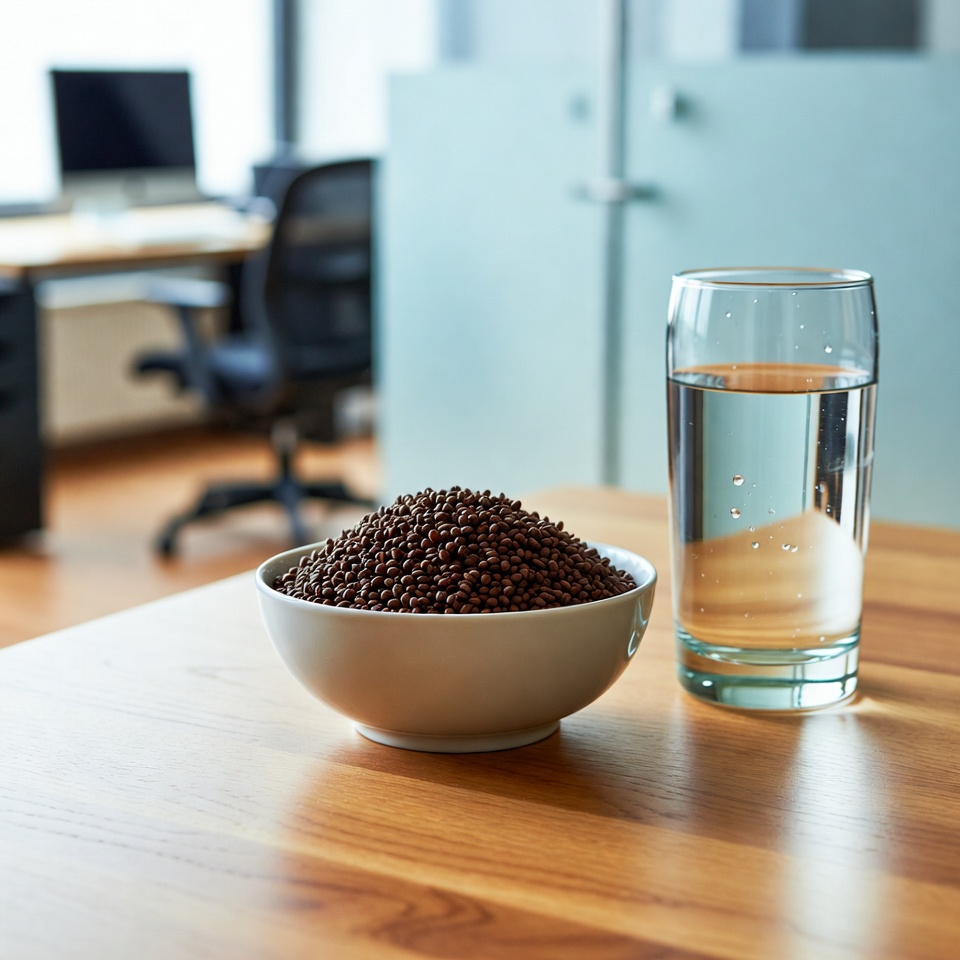
-
Mineral-Rich
They contain significant amounts of magnesium, iron, zinc, and potassium, all of which play key roles in muscle function, immunity, energy production, and heart health. -
Healthy Fats
Watermelon seeds are a source of unsaturated fats, including omega-3 and omega-6 fatty acids, which are important for cardiovascular and brain function. -
Low in Calories
Despite their impressive nutrient content, they are relatively low in calories, making them a light yet nourishing snack option.
Key Health Benefits of Watermelon Seeds
1. Supports Heart Health
- Magnesium in watermelon seeds helps regulate blood pressure and supports a regular heartbeat.
- Omega-3 and omega-6 fatty acids can help lower LDL (“bad”) cholesterol and promote better blood flow, contributing to a healthier cardiovascular system.
2. Strengthens the Immune System
- Zinc, found in good amounts in watermelon seeds, plays a vital role in immune function, helping your body defend against infections and illnesses.
3. Promotes Healthy Skin
- Antioxidants and essential fatty acids help nourish and hydrate the skin, supporting a smoother, more youthful appearance.
- Magnesium can help balance hormones, which may reduce acne and other hormone-related skin concerns.
4. Enhances Hair Growth
- The combination of protein, iron, and copper in watermelon seeds helps support stronger hair strands, improved scalp health, and may stimulate hair growth over time.
5. Supports Strong Bones
- Magnesium, phosphorus, and potassium contribute to bone density and strength, potentially lowering the risk of conditions like osteoporosis when included as part of a balanced diet.
6. Aids Digestion
- Watermelon seeds contain dietary fiber, which supports healthy digestion, promotes regular bowel movements, and may help prevent constipation.
7. Provides Long-Lasting Energy
- The blend of healthy fats and protein in watermelon seeds offers sustained energy, helping you feel fuller and more energized between meals.
8. Promotes Better Metabolism
- B vitamins such as niacin, folate, and pantothenic acid help your body convert food into usable energy more efficiently, supporting a healthy metabolism.
How to Eat Watermelon Seeds
You do not have to eat watermelon seeds plain. There are many simple and tasty ways to enjoy them.
1. Roasted Watermelon Seeds
A crunchy, savory snack you can enjoy on its own or add to dishes.
Ingredients:
- Watermelon seeds
- Olive oil or butter (optional)
- Salt or spices (optional)
Instructions:
- Rinse the seeds thoroughly and allow them to dry completely.
- Spread them evenly on a baking sheet.
- Drizzle with a little olive oil or melted butter if desired, and season with salt or your favorite spices.
- Roast at 325°F (165°C) for about 10–15 minutes, or until the seeds are golden and crispy.
2. Watermelon Seed Butter
- Blend roasted watermelon seeds in a high-speed blender or food processor until smooth and creamy.
- Use it like peanut butter or almond butter—spread on toast, add to oatmeal, or mix into smoothies.
3. Add to Smoothies or Salads
- Smoothies: Toss a spoonful of watermelon seeds into your smoothie for extra protein and healthy fats.
- Salads: Sprinkle roasted seeds over salads for added crunch, flavor, and nutrients.
4. Watermelon Seed Tea
- Simmer watermelon seeds in water for 10–15 minutes to make a mild, refreshing tea.
- This infusion may support digestion and gentle detoxification when enjoyed regularly as part of a balanced lifestyle.
Precautions When Eating Watermelon Seeds
-
Portion Control
While nutrient-dense, watermelon seeds still contain fats and calories. Enjoy them in moderation as part of a balanced diet. -
Check for Allergies
If you have seed or nut allergies, introduce watermelon seeds carefully and monitor for any reactions. Consult a healthcare professional if you are unsure.
Why Watermelon Seeds Deserve a Place in Your Diet
- Watermelon seeds are affordable, widely available, and help reduce food waste by using a part of the fruit that is usually discarded.
- They are versatile and easy to incorporate into snacks, baked goods, salads, and drinks, allowing you to boost the nutritional value of everyday meals with minimal effort.
Instead of throwing watermelon seeds away, turn them into a nutrient-rich snack or ingredient and enjoy their impressive health benefits.