9 Best Foods to Help Prevent Clogged Arteries
Keeping your arteries clear and healthy is essential for reducing the risk of heart disease and stroke. A diet rich in heart-protective foods can help lower blood pressure, balance cholesterol levels, and support overall cardiovascular health.
Below are nine powerful foods you can add to your diet to help keep your arteries clean and functioning well.
1. Oats
Why they help:
Oats are packed with beta-glucan, a type of soluble fiber that helps lower levels of “bad” LDL cholesterol in the blood. When LDL cholesterol is reduced, the risk of plaque buildup inside the arteries drops, which may help prevent blockages and improve long-term heart health.
How to enjoy:
- Warm oatmeal for breakfast
- Overnight oats with fruit and nuts
- Oat-based smoothies or baked goods made with oat flour
2. Salmon and Other Fatty Fish
Why they help:
Fatty fish such as salmon, mackerel, sardines, and herring are rich in omega-3 fatty acids. These healthy fats have been shown to:
- Lower triglyceride levels
- Support overall heart function
- Reduce inflammation throughout the body, including in blood vessels
By easing inflammation, omega-3s may help protect artery walls from damage and plaque formation.
How to enjoy:
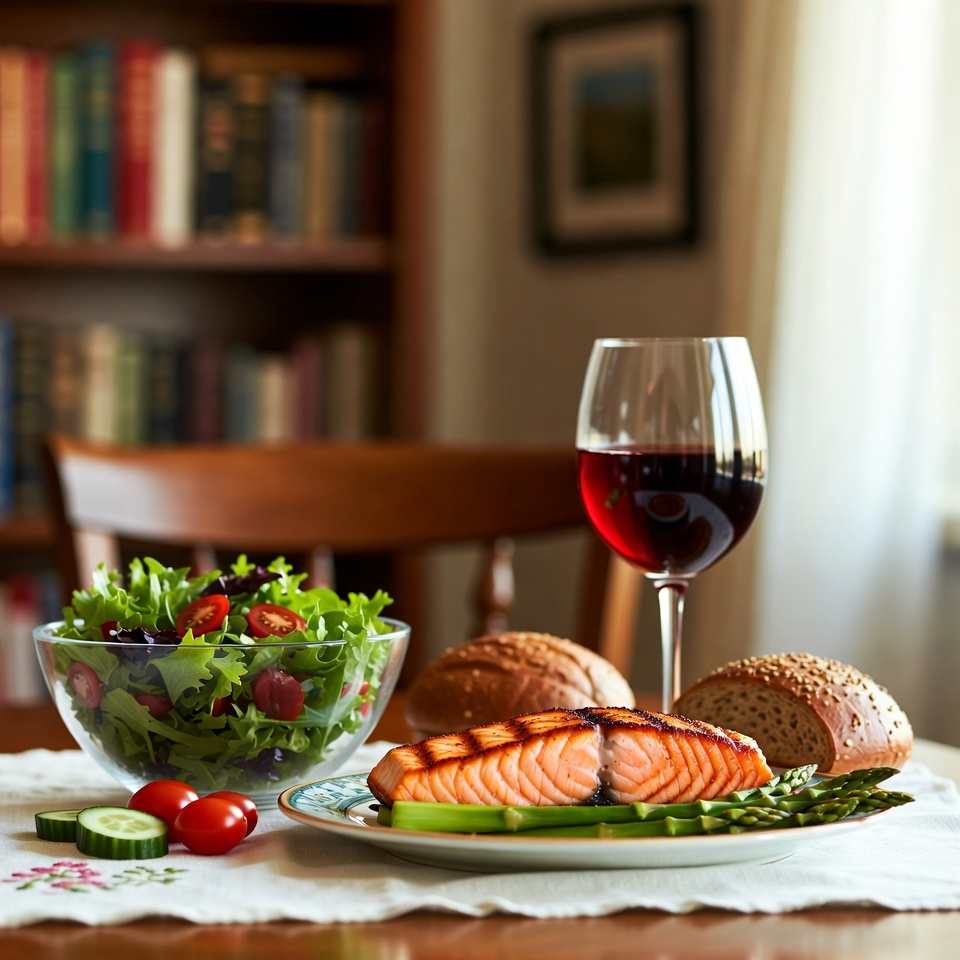
- Grilled or baked salmon a few times per week
- Sardines on whole-grain toast
- Mackerel in salads or grain bowls
3. Berries
Why they help:
Berries—such as blueberries, strawberries, raspberries, and blackberries—are loaded with antioxidants, especially flavonoids and anthocyanins. These compounds help:
- Combat oxidative stress
- Reduce inflammation
- Protect the delicate lining of the arteries
Regularly eating berries may support healthier blood vessels and better circulation.
How to enjoy:
- Mixed berry parfait with yogurt
- Fresh berries on oatmeal or whole-grain cereal
- Frozen berries in smoothies
4. Nuts (Walnuts, Almonds, and More)
Why they help:
Nuts like walnuts and almonds are excellent sources of heart-healthy fats, especially mono- and polyunsaturated fats. They also contain:
- Fiber, which can help lower cholesterol
- Vitamin E, which may reduce LDL (“bad”) cholesterol oxidation
Together, these nutrients support healthier arteries and improved cholesterol profiles.
How to enjoy:
- A small handful of nuts as a snack
- Chopped nuts on salads or yogurt
- Nut butters spread on whole-grain toast
5. Spinach and Other Leafy Greens
Why they help:
Leafy green vegetables such as spinach, kale, and Swiss chard are rich in:
- Fiber
- Antioxidants
- Nitrates
Dietary nitrates can help relax blood vessels and support healthier blood pressure. The antioxidants and fiber also contribute to better arterial function and protection of the cells that line your blood vessels.
How to enjoy:
- Fresh spinach or kale salads
- Sautéed greens as a side dish
- Greens blended into smoothies
6. Avocado
Why it helps:
Avocados are a potent source of monounsaturated fats, which are known to:
- Lower harmful LDL cholesterol
- Maintain or increase “good” HDL cholesterol
- Support overall heart and artery health
Including avocado regularly in your diet may help reduce the risk of plaque buildup and heart disease.
How to enjoy:
- Sliced avocado on whole-grain toast
- Guacamole with veggie sticks or whole-grain crackers
- Avocado cubes in salads or grain bowls
7. Extra Virgin Olive Oil
Why it helps:
Extra virgin olive oil is a cornerstone of the Mediterranean diet, which is widely recognized for its heart-protective benefits. It is rich in:
- Monounsaturated fats
- Antioxidant compounds called polyphenols
These nutrients can help lower inflammation, support healthy cholesterol levels, and protect artery walls from damage.
How to enjoy:
- As a salad dressing base
- Drizzled over cooked vegetables or fish
- Used for light sautéing instead of butter
8. Whole Grains
Why they help:
Whole grains—such as quinoa, brown rice, oats, barley, and whole wheat—contain all parts of the grain, providing:
- Fiber that helps lower cholesterol
- Nutrients that aid in blood sugar control
By improving cholesterol levels and stabilizing blood sugar, whole grains can support heart health and reduce the risk of arterial plaque buildup.
How to enjoy:
- Brown rice or quinoa as a base for meals
- Whole-grain bread or pasta
- Barley or farro in soups and salads
9. Garlic
Why it helps:
Garlic has been widely studied for its cardiovascular benefits. Research suggests it may:
- Help lower blood pressure
- Reduce the formation of plaque in the arteries
- Support flexible, healthy blood vessels
Adding garlic regularly to your meals can be a simple way to support your arteries and circulation.
How to enjoy:
- Fresh garlic in sauces, soups, and stir-fries
- Roasted garlic spread on whole-grain bread
- Minced garlic in salad dressings and marinades
How to Incorporate These Foods into Your Daily Routine
To maximize the artery-protective benefits of these foods, try to include them consistently:
Breakfast ideas:
- Oatmeal topped with berries and a sprinkle of almonds or walnuts
- Whole-grain toast with avocado slices
Lunch and dinner ideas:
- Salads dressed with extra virgin olive oil and loaded with leafy greens
- Grilled or baked fatty fish (such as salmon or mackerel) a few times per week
- Side dishes featuring brown rice, quinoa, or other whole grains
Snack ideas:
- A handful of nuts
- Whole-grain crackers with avocado
- Fresh berries or a small fruit and nut mix
Supporting Overall Artery and Heart Health
Diet is only one part of protecting your arteries. For the best cardiovascular health:
- Avoid smoking or exposure to tobacco
- Engage in regular physical activity
- Maintain a balanced, nutrient-dense diet centered on whole foods
If you have existing health conditions or are taking medication, speak with your doctor or a registered dietitian before making significant dietary changes. A personalized plan will help you safely support your heart and keep your arteries as healthy as possible.