Baking Soda for Skin: Can This Kitchen Staple Help Improve Texture?
As skin matures, fine lines, rough patches, and a loss of radiance often become more noticeable. Sun exposure, the natural aging process, and everyday habits can all affect how smooth and bright the skin appears. Because of this, many people look for easy at-home skincare options that may help refresh their complexion.
One ingredient that frequently appears in DIY beauty conversations is baking soda. Since it is inexpensive and commonly found in most kitchens, it is often suggested as a simple exfoliating option for smoother-looking skin. Still, it is important to understand what it can realistically do and how to use it carefully.
This guide covers how baking soda fits into basic skincare, safer ways to experiment with it at home, and more reliable habits for supporting healthy, glowing skin in the long run.
Why Exfoliation Can Improve Skin Texture
Exfoliation removes dead skin cells that collect on the surface of the skin. When these cells build up, the complexion may start to look dull, uneven, or rough. Gentle exfoliation can help support a brighter appearance by encouraging normal skin cell turnover.
That said, more is not always better. Harsh scrubbing or over-exfoliating can weaken the skin barrier, which may lead to dryness, sensitivity, or irritation.
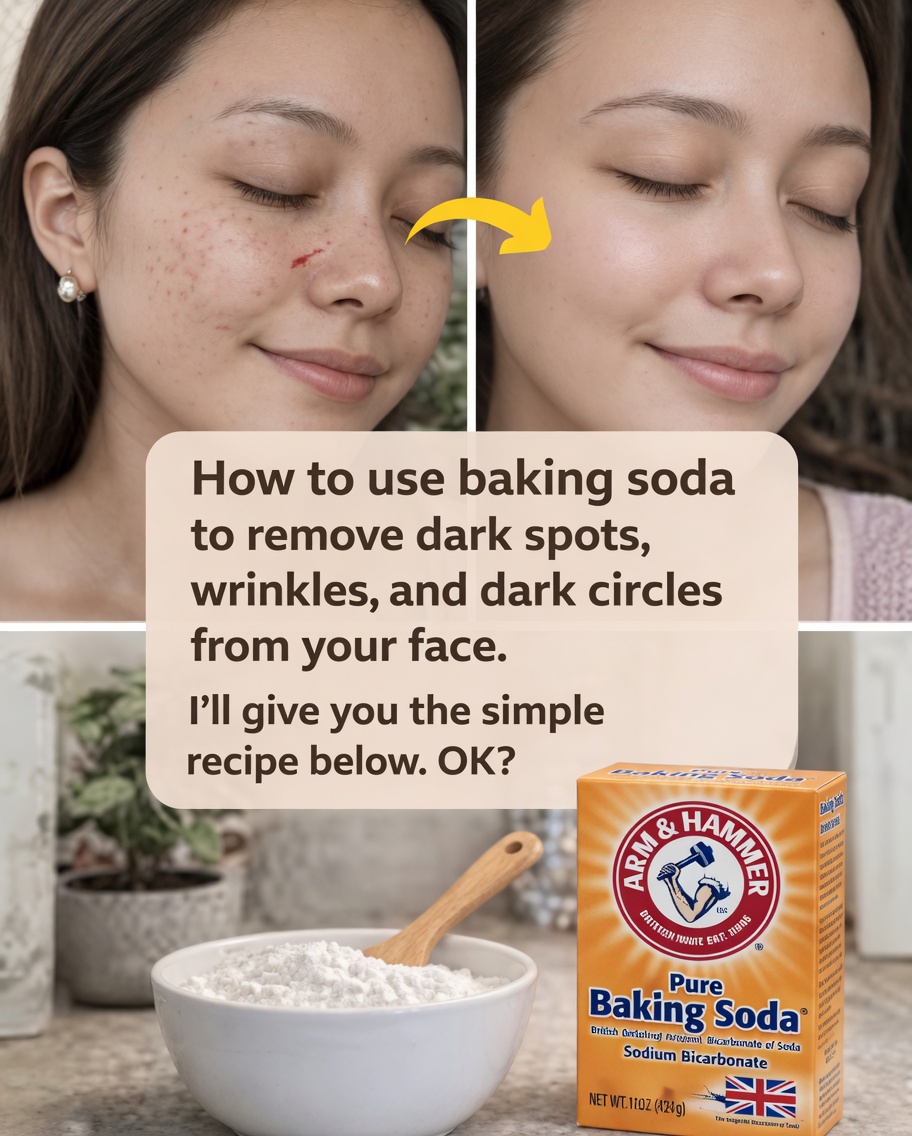
Baking soda works as a physical exfoliant because of its slightly gritty texture. Many people blend it into a paste or add it to creams for a quick scrub, hoping to soften rough areas. It may leave the skin feeling smoother for a short time, but there is an important concern: baking soda has a high pH of about 9, while healthy skin usually stays in a more acidic range of 4.5 to 5.5. Using something too alkaline too often can interfere with the skin’s natural protective barrier.
What Research Says About Baking Soda in Skincare
Scientific evidence on baking soda for cosmetic skincare is limited. Some findings suggest it may offer mild benefits in certain situations, such as helping soothe itchy skin when added to a bath or assisting with gentle cleansing. In dermatology, it has sometimes been used in specific cases involving skin discomfort, usually with professional oversight.
However, there is little strong evidence showing that baking soda can reduce deep wrinkles, improve firmness, or provide meaningful anti-aging results. Dermatology experts and health sources often note that repeated use may irritate the skin, especially for people with dry or sensitive skin types.
For that reason, a patch test is essential before trying it on the face. Paying attention to how your skin responds matters more than following online trends.
Even so, some people prefer experimenting with natural ingredients, and baking soda is often used in DIY mixtures that include more moisturizing components.
Safe Ways to Use Baking Soda at Home
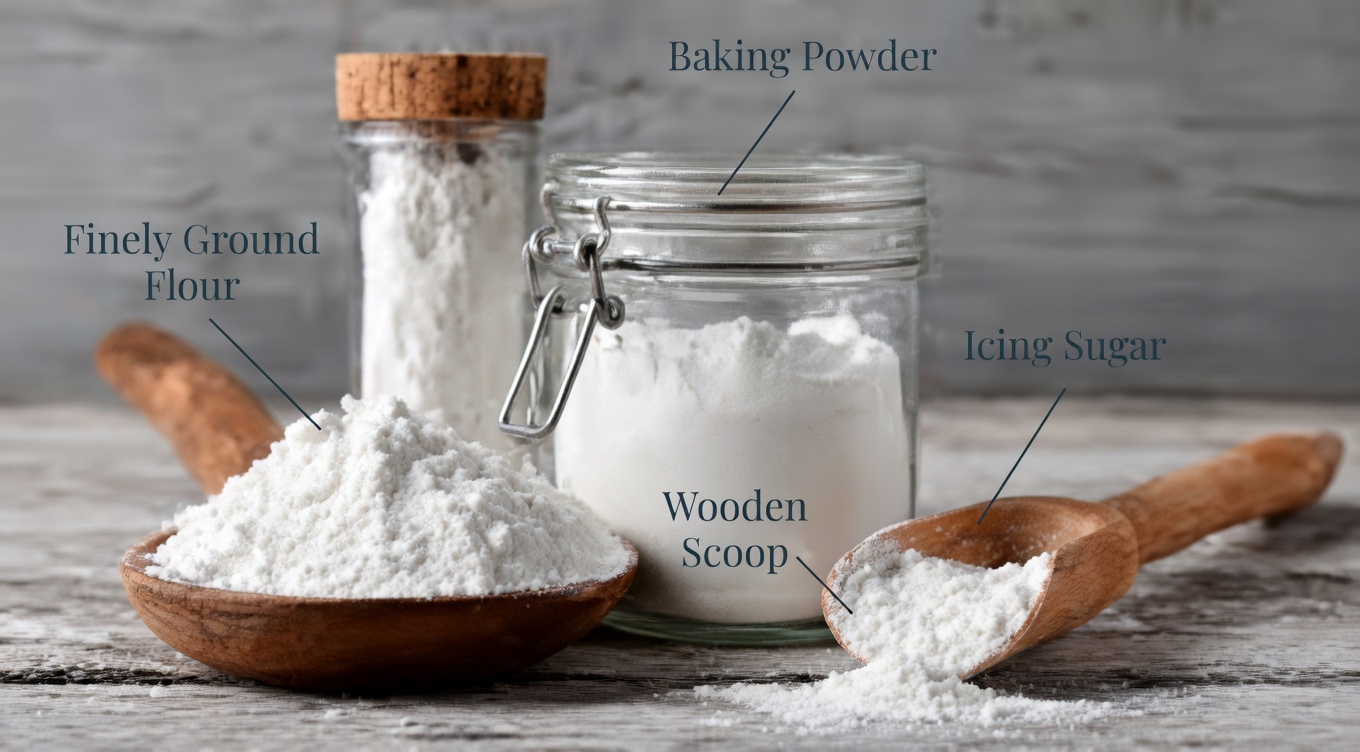
If you want to test baking soda in your skincare routine, the safest approach is occasional and diluted use, not daily application. Here are a few simple methods people commonly try.
1. Gentle Exfoliating Paste
Mix 1 teaspoon of baking soda with enough water, honey, or another mild base to create a soft paste. Apply it to damp skin using light circular motions for 30 to 60 seconds, then rinse thoroughly. Finish with a moisturizer to help protect the skin barrier.
2. Baking Soda Bath
Add 1/4 to 1/2 cup of baking soda to warm bathwater. Soaking for 15 to 20 minutes may help soften rough areas of skin and create a calming bath experience.
3. Mixed with Moisturizing Ingredients
Some DIY skincare recipes combine small amounts of baking soda with ingredients such as honey or coconut oil. These additions may help reduce the drying feel that baking soda can cause. If you try this method, use very small amounts and avoid leaving the mixture on for too long.
Important Safety Tips
- Do a patch test on the inner arm 24 hours before using it on your face.
- Use baking soda no more than 1 to 2 times per week.
- Avoid it if your skin is sensitive, damaged, inflamed, or already irritated.
- Keep it away from the eye area and never apply it to open cuts or wounds.
- Stop immediately if you notice redness, burning, stinging, tightness, or excessive dryness.
Better Ways to Support Healthy, Glowing Skin
DIY skincare can be interesting to explore, but long-term skin health usually depends more on consistent habits than quick home remedies. Research and skincare experts generally support the following approaches.
Daily Sunscreen
Using a broad-spectrum SPF 30 or higher every day is one of the most effective ways to reduce visible signs of aging. Sun exposure is a major cause of fine lines, uneven pigmentation, and loss of skin elasticity.
Hydration and Moisture Support
Drink enough water and use moisturizers with ingredients like hyaluronic acid and ceramides. These help maintain the skin barrier and improve the look of dryness and dehydration.
Gentler Exfoliation Options
Instead of harsh scrubs, many people do better with chemical exfoliants such as lactic acid or enzyme-based formulas. These options are often better aligned with the skin’s natural pH and can provide more even exfoliation.
A Nutrient-Dense Diet
Foods rich in antioxidants, including berries, leafy greens, and nuts, may help the body fight oxidative stress, which contributes to visible aging.
Quality Sleep
Sleep gives the skin time to repair itself. Consistent rest can improve overall tone, texture, and radiance over time.
Quick Comparison of Popular Skin-Smoothing Approaches
| Approach | Potential Benefit | Recommended Frequency | Expert Notes |
|---|---|---|---|
| Baking Soda Paste | Mild surface exfoliation | 1–2 times per week | Can irritate skin if overused |
| Chemical Exfoliants | Better cell turnover support | 2–3 times per week | Usually more balanced and evidence-based |
| Daily Sunscreen | Helps prevent new signs of aging | Every day | Considered essential for anti-aging care |
| Moisturizing Routine | Supports barrier function and softness | Morning and night | Important for all skin types |
Frequently Asked Questions
Can baking soda replace regular skincare products?
No. Baking soda is better viewed as an occasional DIY option, not a complete skincare routine. Ingredients such as retinoids, peptides, and well-formulated exfoliants provide more targeted support for texture and aging concerns.
Is baking soda suitable for every skin type?
Not always. People with dry or sensitive skin may be more likely to react because baking soda is alkaline. Those with oilier skin may tolerate it a little better in the short term, but a patch test is still necessary.
How quickly will I notice smoother skin?
Any immediate softness usually comes from temporary exfoliation rather than deep or lasting skin changes. More visible and sustainable improvements typically come from gentle, consistent skincare over time.
Final Thoughts
Baking soda can be part of a simple at-home skincare experiment, especially for those interested in natural beauty options. Still, it should be used with caution and realistic expectations. While it may briefly smooth the skin’s surface, it is not a proven solution for wrinkles or long-term anti-aging results.
If your goal is healthier, brighter, and more youthful-looking skin, the best strategy is to focus on sun protection, hydration, gentle exfoliation, nourishing foods, and good sleep. Protecting the skin barrier should always come before chasing quick fixes.