Folk Remedy Spotlight: Castor Oil and Baking Soda
This guide explores a traditional, folk-style method that combines castor oil with baking soda. Many people interested in natural or home remedies use this blend for issues such as minor skin discomfort, light aches, and gentle cleansing or “detox” support.
Current scientific data supporting these uses is limited. This mixture is not a replacement for medical diagnosis or treatment. If you have ongoing, worsening, or serious health problems, consult a qualified healthcare professional before trying any remedy.
Why Combine Castor Oil and Baking Soda?
Castor Oil
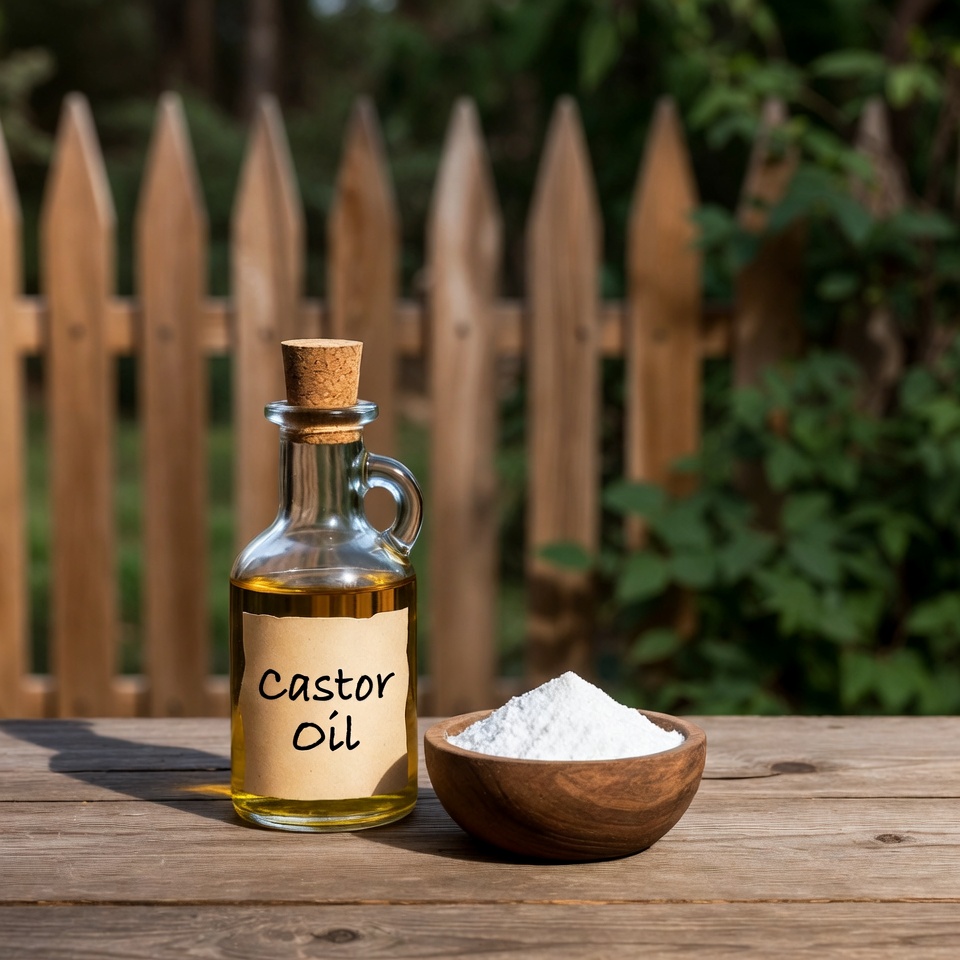
Castor oil is a thick, plant-based oil pressed from castor beans and has long been used in folk medicine.
Key properties often mentioned:
-
High in ricinoleic acid
This fatty acid is thought to have mild anti-inflammatory and pain-relieving effects, which may help soothe minor soreness and irritated skin. -
Deeply moisturizing
Castor oil is often applied to dry or chapped skin to support moisture retention and assist the skin’s natural repair process for small, superficial issues. -
Traditional “detox” support (anecdotal)
Some practitioners use castor oil packs over the abdomen or other areas to encourage lymphatic flow and gentle detox-like effects. These uses are largely based on tradition and personal reports rather than strong clinical research.
Baking Soda (Sodium Bicarbonate)
Baking soda is a common household ingredient with several topical uses in DIY skincare.
Frequently cited benefits:
-
Alkaline effect on the skin’s surface
It may help neutralize excess acidity on the skin, which some people find useful for certain minor irritations. -
Mild exfoliant
With its fine, gritty texture, baking soda can act as a gentle scrub, helping to loosen and remove dead skin cells. -
Light antiseptic action
It may help reduce surface bacteria to a limited degree, which can be helpful in some simple skincare routines.
Simple Ways to Use Castor Oil and Baking Soda
1. Castor Oil–Baking Soda Paste for Minor Skin Irritations
Possible uses:
- Mildly itchy spots or irritated areas
- Small patches of rough, dry, or uneven skin
Ingredients:
- 1 tablespoon castor oil
- 1 teaspoon baking soda (adjust to achieve the texture you want)
Directions:
-
Prepare the paste
- Place the castor oil and baking soda in a small bowl.
- Stir until you get a smooth, spreadable paste.
- If it’s too thick, add a few extra drops of castor oil.
- If it’s too thin, sprinkle in a little more baking soda.
-
Apply to the skin
- Gently spread a thin layer over the affected area.
- Leave it on for about 10–15 minutes.
-
Rinse off
- Remove with lukewarm water or wipe away with a clean, damp cloth.
- Pat the skin dry.
-
How often to use
- Use once daily or a few times per week if your skin tolerates it.
- Stop using it if you notice increased redness, burning, or irritation.
2. Castor Oil Pack with Baking Soda Rinse for Mild Aches
This is a traditional method used by some people to soothe minor muscle or joint discomfort and for gentle “detox-like” support.
Possible uses:
- Mild muscle soreness
- Minor joint stiffness or discomfort
- Relaxation and a sense of gentle cleansing (based on anecdotal reports)
Ingredients:
- 2–3 tablespoons castor oil
- 1 square of cotton flannel or a soft, absorbent cloth
- Plastic wrap or a plastic bag (to protect clothing or bedding)
- Heating pad or hot water bottle
- 1 teaspoon baking soda (for rinsing afterward)
Directions:
-
Set up the castor oil pack
- Saturate the cotton flannel with castor oil until it is well soaked but not dripping.
- Place the cloth over the desired area (for example, lower abdomen, lower back, or a sore joint).
- Cover the cloth with plastic wrap to keep the oil from staining fabrics.
-
Add heat and rest
- Place a heating pad or hot water bottle on top of the wrapped area.
- Relax for 30–60 minutes while the warmth and oil sit on the skin.
- Use this time to unwind—read, meditate, or listen to music.
-
Baking soda rinse
- After removing the pack, mix 1 teaspoon baking soda into 1 cup of warm water.
- Use a clean cloth dipped in this solution to wipe the area where the castor oil was applied.
- This can help remove oily residue and may feel soothing on the skin.
-
How often to use
- Commonly used once or twice a week.
- If you are working with a natural health practitioner, follow their specific guidance.
3. Castor Oil and Baking Soda Scrub for Rough Skin
This simple scrub can be used on thicker or rougher skin areas to help smooth texture.
Possible uses:
- Rough elbows, knees, or heels
- Gentle exfoliation of thicker skin areas
Ingredients:
- 1 tablespoon castor oil
- 1 tablespoon baking soda
- Optional: a few drops of essential oil (e.g., peppermint or lavender) for scent
Directions:
-
Blend into a scrub
- Combine castor oil and baking soda in a small container.
- Stir until you get a grainy, paste-like consistency.
- Add 1–3 drops of essential oil if desired and mix well.
-
Use as an exfoliant
- Apply the scrub to damp skin.
- Massage gently using circular motions, focusing on rough areas.
- Do not scrub hard; excessive pressure may irritate or damage skin.
-
Rinse and care for skin
- Rinse thoroughly with warm water.
- Pat the skin dry and follow with a light moisturizer if needed.
Safety Tips and Precautions
-
Always do a patch test first
Apply a small amount of the mixture to an inconspicuous area (such as the inside of your wrist or elbow) and wait 24 hours. If you notice irritation, redness, or itching, do not use the remedy on larger areas. -
Not a replacement for medical care
These ideas are for minor, everyday concerns. They should not be used in place of medical evaluation or treatment for serious conditions such as chronic pain, severe rashes, infections, or systemic illnesses. -
Avoid sensitive and broken skin
Do not apply near the eyes, inside the nose or mouth, on genital areas, or on open wounds. Both castor oil and baking soda can cause stinging or irritation on delicate or damaged skin. -
Talk to a healthcare professional
If you have ongoing skin problems, persistent pain, underlying medical conditions, or are pregnant, breastfeeding, or taking medications, seek advice from a healthcare provider before experimenting with home remedies. -
Proper storage and hygiene
- Keep castor oil in a cool, dry place away from direct sunlight.
- Store baking soda in a sealed container to protect it from moisture.
- Prepare pastes and scrubs in small, fresh batches and discard leftovers to minimize contamination.
-
Expect individual differences
People respond differently to natural remedies. Some may notice relief or smoother skin, while others experience no obvious change or even irritation. Monitor how your body reacts and adjust or discontinue use if needed.
Bottom Line
A mixture of castor oil and baking soda is a popular DIY remedy in natural health circles, commonly used for minor aches, simple skin issues, and gentle cleansing or “detox-like” rituals. While both ingredients have long histories of traditional use and many positive anecdotal reports, strong scientific evidence is still limited.
For overall health and long-term wellbeing, rely on evidence-based care: balanced nutrition, regular physical activity, quality sleep, stress management, and appropriate medical support. Use folk remedies like castor oil and baking soda cautiously, stay attentive to your body’s signals, and always prioritize professional guidance for serious or persistent health concerns.