Garlic and Black Pepper for Leg Pain, Rheumatism, Varicose Veins, and Arthritis
Garlic and black pepper have been used for centuries in many traditional healing systems to ease discomfort from leg pain, rheumatism, varicose veins, and arthritis. They are valued for their potential anti-inflammatory effects and support for healthy circulation.
However, these natural remedies are best viewed as complementary support, not as replacements for medical care. Chronic, severe, or worsening symptoms should always be evaluated by a qualified healthcare professional.
Why Garlic and Black Pepper Are Used in Traditional Remedies
Garlic
1. Allicin – the key active compound
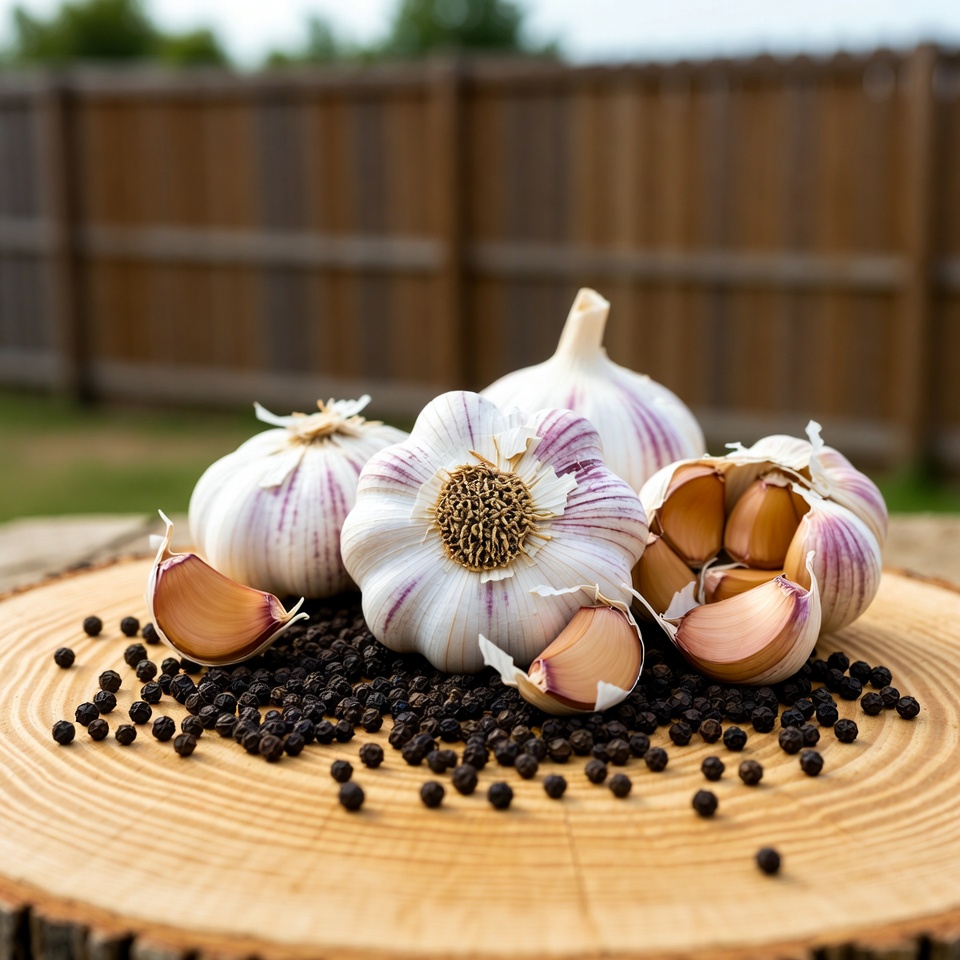
- Freshly crushed or chopped garlic releases allicin, a sulfur-containing compound.
- Laboratory research suggests allicin may have antimicrobial and anti-inflammatory actions, which could support the body’s natural healing processes.
2. Support for blood circulation
- Some studies indicate garlic may help promote healthier circulation.
- It may mildly lower blood pressure and help maintain more flexible blood vessels, which can indirectly support leg and joint comfort.
3. Anti-inflammatory and antioxidant potential
- Garlic contains antioxidants that may help reduce oxidative stress.
- By modulating inflammatory pathways, garlic could help ease discomfort associated with inflammatory conditions such as arthritis or rheumatism.
Black Pepper
1. Piperine – the main bioactive component
- Piperine is the primary compound in black pepper responsible for many of its health-related properties.
- It is known for enhancing the absorption of various nutrients and plant compounds and may offer mild anti-inflammatory benefits.
2. Enhanced bioavailability of other herbs
- When combined with other spices or herbs (such as turmeric or garlic), black pepper may help your body absorb their beneficial constituents more efficiently.
- This synergistic effect is one reason black pepper is often included in herbal formulas.
3. Gentle warming effect
- When used topically in certain preparations, black pepper (or isolated piperine) can create a sensation of warmth on the skin.
- This warming effect may help relax minor muscle tension and soothe mild aches in localized areas.
Potential Benefits for Specific Conditions
Leg Pain and Rheumatism
How garlic may help:
- Its anti-inflammatory compounds may help reduce swelling or irritation in muscles, joints, and surrounding tissues.
- Better blood flow could ease stiffness, heaviness, or mild swelling in the legs.
How black pepper may help:
- The warming sensation from piperine may provide temporary relief from minor muscle tightness or stiffness.
- By boosting the absorption of other anti-inflammatory herbs or nutrients, black pepper may enhance overall benefits when used in combination.
Varicose Veins
1. Support for vascular health
- Garlic is sometimes included in natural protocols for varicose veins due to its potential to promote healthier circulation and vascular function.
- Improved blood flow may help reduce feelings of heaviness, mild swelling, or discomfort in the legs.
2. Anti-inflammatory support
- By helping to modulate inflammation, garlic may indirectly support vein health and comfort.
- It is important to note that visible or advanced varicose veins often require medical treatments such as compression stockings, procedures, or surgery.
Arthritis
1. Reducing inflammatory processes
- Both garlic and black pepper contain compounds that may influence inflammatory pathways contributing to joint pain.
- A diet regularly including these spices may offer modest support for managing inflammation.
2. Supporting joint mobility
- Some people report less stiffness and improved range of motion when they consistently incorporate anti-inflammatory herbs and spices into their diet or topical routine.
- Responses vary widely, and long-term arthritis management usually requires a comprehensive plan that may include medication, physical therapy, weight management, and lifestyle changes.
How to Use Garlic and Black Pepper
1. Adding Them to Your Diet
Raw or cooked garlic:
- Crush or finely chop fresh garlic and let it rest for a few minutes before cooking or eating to optimize allicin formation.
- Add it to soups, salads, dressings, stir-fries, and roasted dishes.
Using black pepper in meals:
- Freshly grinding black peppercorns just before use helps preserve piperine content better than pre-ground pepper.
- Sprinkle over savory dishes, eggs, vegetables, and meats.
Combine with healthy fats:
- Pair garlic and black pepper with good-quality fats such as olive oil, avocado oil, or coconut oil.
- Healthy fats can help the body absorb fat-soluble nutrients and certain plant compounds more effectively.
2. Herbal Infusion or “Tea”
Simple garlic–black pepper infusion:
- Lightly crush 1 clove of fresh garlic.
- Add a pinch of freshly ground black pepper.
- Pour hot (not boiling) water over the mixture.
- Steep for 5–10 minutes.
- Optionally sweeten with a little honey or add lemon for flavor.
Possible supportive effects:
- May gently warm the body and promote circulation.
- Could offer mild anti-inflammatory support when consumed regularly alongside a healthy lifestyle.
3. Topical Applications (Anecdotal Use)
Garlic and black pepper infused oil:
- Choose a carrier oil (such as olive oil, almond oil, or coconut oil).
- Add 1–2 lightly crushed garlic cloves and a small amount of black pepper.
- Warm gently over low heat, avoiding high temperatures that can burn the ingredients.
- Let it cool and strain out the solids.
- Massage a small amount into areas of mild muscle or joint discomfort.
Important precautions:
- Garlic and black pepper can be irritating to sensitive skin.
- Always perform a patch test on a small area first and wait 24 hours.
- Discontinue use if redness, burning, itching, or irritation occurs.
4. Supplement Options
Garlic supplements:
- Odor-controlled garlic capsules, aged garlic extract, or standardized garlic supplements are available for those who dislike the smell or taste of fresh garlic.
- Dosage and quality vary; look for reputable brands.
Piperine / black pepper extracts:
- Piperine is often included in supplements (for example, curcumin with piperine) to improve the absorption of other compounds.
- These combinations are popular in joint-support or anti-inflammatory formulas.
Speak with a healthcare professional first:
- Garlic and piperine can interact with certain medications, including blood thinners, antiplatelet drugs, and blood pressure medications.
- Always consult your doctor or a qualified practitioner before starting new supplements, especially if you have existing health conditions or take prescription medicines.
Additional Tips and Precautions
1. Watch for allergies and sensitivities
- Garlic can cause digestive upset, gas, or heartburn in some people, particularly when eaten raw or in large amounts.
- Excessive black pepper may irritate the digestive tract or worsen reflux for some individuals.
2. Not a complete treatment on their own
- While garlic and black pepper may support a healthy inflammatory response and circulation, they are not a cure for:
- Rheumatism
- Arthritis
- Varicose veins
- Persistent or severe leg pain
- These conditions often require a structured treatment plan that may involve medication, physical therapy, compression garments, or medical procedures.
3. Lifestyle and dietary foundation
- For best results, combine these spices with:
- An anti-inflammatory diet rich in vegetables, fruits, whole grains, nuts, seeds, and lean proteins.
- Regular, low-impact exercise such as walking, swimming, cycling, or yoga to support joint and vascular health.
- Weight management and smoking cessation (if applicable), which strongly affect joint and vein health.
4. Professional guidance is essential
- If you experience:
- Constant or worsening leg pain
- Significant swelling or prominent varicose veins
- Advanced arthritis symptoms
- Seek evaluation from a healthcare provider, and consider consulting a licensed herbalist or integrative medicine practitioner if you are interested in herbal support.
- Relying exclusively on home remedies can delay critical diagnosis or treatment.
Conclusion
Garlic and black pepper are traditional ingredients with potential anti-inflammatory and circulation-supporting properties that may offer modest relief for mild leg pain, rheumatism, varicose veins, and arthritis-related discomfort. Incorporating them into your daily diet, or using gentle topical preparations, can be a useful part of a broader self-care strategy.
However, they should complement—not replace—professional medical care. For persistent, severe, or progressive symptoms, work with a healthcare professional to develop a comprehensive treatment plan and use garlic and black pepper as supportive tools within that framework. Always pay attention to how your body responds and adjust use accordingly.