Mugwort (Artemisia vulgaris): Uses, Benefits, and Safety
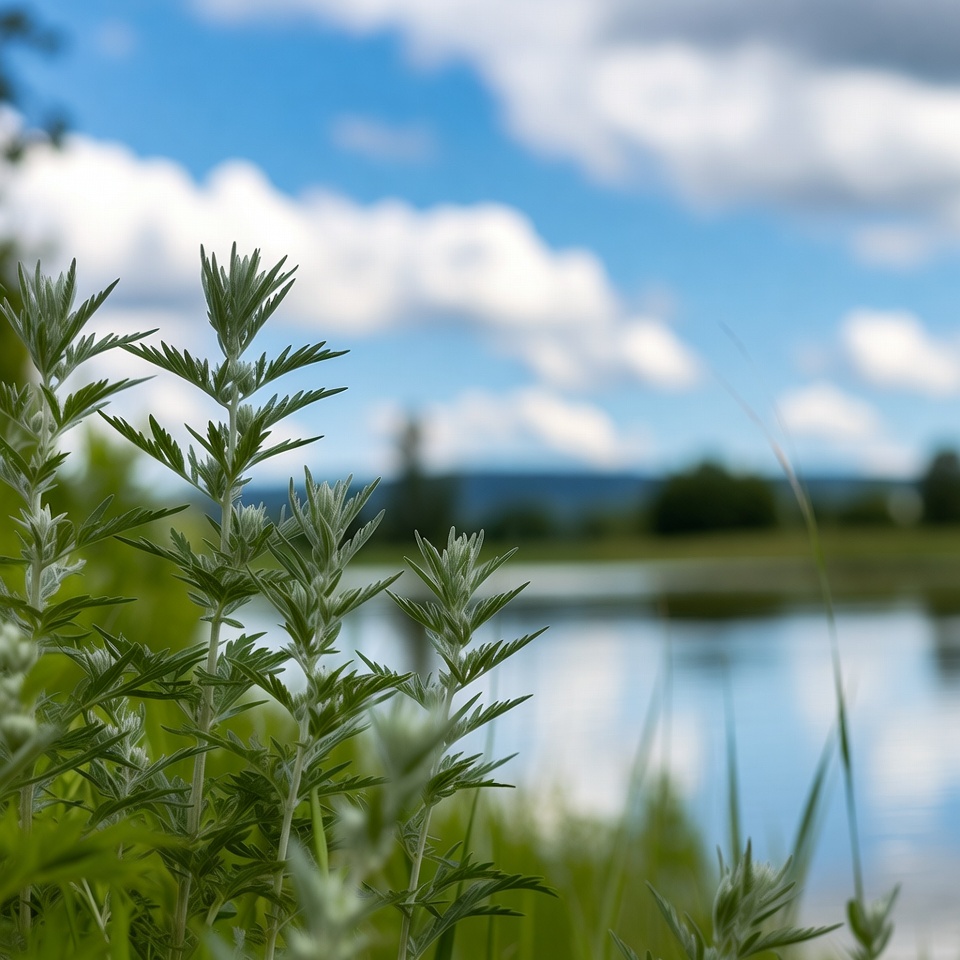
Mugwort (Artemisia vulgaris) is a resilient, aromatic herb with a long history in traditional medicine and ritual practices across Asia, Europe, and beyond. It has been used in teas, tonics, food, and ceremonial smudging, and is often associated with digestion, menstrual support, and dream work.
While mugwort is popular in herbal traditions, many of its claimed benefits are based on historical or anecdotal use rather than robust clinical evidence. Always speak with a healthcare professional before adding mugwort or any new herb to your routine—especially if you are pregnant, breastfeeding, taking medications, or managing chronic health conditions.
Quick Facts About Mugwort
- Botanical name: Artemisia vulgaris
- Plant family: Asteraceae (the daisy family)
- Common names: Common mugwort, wild wormwood, felon herb, St. John’s herb
- Parts commonly used: Leaves, stems, and occasionally roots
Mugwort is valued for its fragrant, slightly bitter leaves. It appears in traditional herbal systems as an ingredient in herbal teas, tinctures, topical preparations, food, and smoke-based rituals, with a wide range of claimed benefits.
20 Traditional and Potential Benefits of Mugwort
Note: Many of the benefits below are based on traditional use and preliminary data. They should not be viewed as proven medical treatments.
-
Digestive Support
Mugwort has traditionally been used as a bitter herb to stimulate digestive juices, which may help relieve mild bloating, gas, or digestive discomfort after meals. -
Appetite Stimulation
The plant’s pronounced bitterness is thought to encourage appetite in people recovering from illness or experiencing reduced desire to eat. -
Menstrual Cycle Support
Some herbalists regard mugwort as a uterine tonic and use it to help encourage or regulate menstrual flow.
Important: Mugwort should be avoided during pregnancy due to its potential to stimulate uterine contractions. -
Moxibustion in Traditional Chinese Medicine (TCM)
In TCM, dried mugwort (known as moxa) is burned near or on acupuncture points to warm specific areas of the body and support the flow of Qi (vital energy). -
Mild Calming Effects
In folk practices, mugwort tea is sometimes used in the evening as a gentle relaxant, helping the body unwind and transition toward sleep. -
Dream and Sleep Enhancement (Oneirogen)
Mugwort has a long folkloric reputation for encouraging vivid, symbolic, or lucid dreams. People may drink a tea or place dried leaves near their pillow before bed. -
Anti-Inflammatory Potential
Mugwort contains phytochemicals such as flavonoids that may possess mild anti-inflammatory activity, although high-quality human studies are still limited. -
Antimicrobial and Antifungal Activity
Laboratory studies suggest mugwort extracts may help inhibit certain bacteria and fungi, which supports its traditional use on minor skin issues and small wounds. -
Traditional Respiratory Support
In some traditional systems, mugwort has been used in herbal steams or smudging for mild respiratory discomfort, with its aromatic vapors thought to help ease congestion. -
Mild Diuretic Action
Mugwort has been described as gently diuretic, meaning it may support increased urine output and assist the body’s natural elimination processes. -
Liver and Gallbladder Support (Folk Use)
Traditional herbalism sometimes associates mugwort with enhanced liver and gallbladder function, particularly through supporting bile flow. Scientific backing is limited. -
Joint and Muscle Comfort
Mugwort-infused oils or salves are occasionally applied to sore muscles or stiff joints to offer soothing, localized comfort. -
Relaxing Foot Soaks
Warm foot baths infused with mugwort are used in some spa treatments and folk traditions to promote relaxation and relieve tension after a long day. -
Natural Insect and Pest Deterrent
The strongly aromatic foliage is sometimes placed in gardens, drawers, or cupboards as a traditional way to help repel insects and moths. -
Possible Mood Support
Some individuals report a sense of calm, grounding, or emotional uplift with mugwort use. These claims are largely anecdotal and not well studied. -
Traditional Skin-Cleansing Herb
Because of its mildly astringent nature, mugwort has been used in facial steams or washes for oily or blemish-prone skin. -
Culinary Herb in Regional Cuisines
In certain East Asian cuisines, young mugwort leaves are added to soups, rice cakes, and desserts, contributing a pleasant, earthy bitterness and possibly aiding digestion. -
Spiritual and Ritual Applications
Mugwort has a long history in European and Asian folklore as a plant used in smudging or incense to “clear” spaces, support spiritual work, or ward off negative influences. -
Soothing Minor Insect Bites (Traditional Use)
A fresh or crushed-leaf poultice, sometimes combined with other herbs, has been used on minor insect bites or stings to ease temporary discomfort. -
General “Energy Tonic” in Folk Medicine
Some traditional systems view mugwort as a tonic for overall vitality and resilience. Modern research has not yet validated these broad tonic claims.
How to Use Mugwort
1. Mugwort Tea (Herbal Infusion)
-
How to prepare:
- Use about 1 teaspoon of dried mugwort leaves per cup of hot water.
- Steep for 5–10 minutes, then strain.
-
Traditional uses:
- May support digestion after meals
- Used in some traditions for relaxation and dream enhancement
-
Tips:
- Mugwort is strongly bitter. You can soften the taste with honey or blend it with gentler herbs like chamomile or lemon balm.
2. Moxa for Moxibustion (TCM Practice)
-
How it’s used:
- Dried mugwort is processed into soft, fluffy moxa and rolled into sticks or cones.
- These are burned near or on specific acupuncture points by a trained practitioner.
-
Traditional purpose:
- To warm the meridians
- To support circulation of Qi and alleviate certain types of cold or stagnant conditions in TCM theory
Moxibustion should only be performed by a qualified practitioner due to burn risk and the need for proper technique.
3. Essential Oil and Smudge Sticks
-
Smudge sticks:
- Dried mugwort leaves can be bundled and burned as incense in some spiritual or ritual practices.
- The aromatic smoke is used to create a calming atmosphere or for energetic “cleansing,” according to tradition.
-
Essential oil:
- Mugwort essential oil is distilled from the plant and is extremely concentrated.
- It may be diffused or diluted in a carrier oil for very limited topical use.
-
Caution:
- Never apply undiluted essential oil directly to the skin.
- Avoid internal use of essential oil unless under supervision of a qualified professional.
4. Culinary Uses
-
How to use:
- Add small amounts of young leaves to soups, stews, or regional dishes that traditionally call for mugwort.
- It pairs well with rich or fatty foods, where its bitterness can help balance flavors.
-
Considerations:
- Mugwort is typically used as a flavoring herb, not as a bulk vegetable.
- Large amounts can be harsh on digestion and are not recommended.
5. Topical Preparations (Infused Oils and Salves)
-
Basic method:
- Place dried mugwort in a clean jar.
- Cover completely with a carrier oil (such as olive, sunflower, or jojoba oil).
- Let infuse for 2–3 weeks in a warm spot, shaking occasionally.
- Strain and use the oil as is or incorporate into salves, balms, or lotions.
-
Traditional topical uses:
- Light massage for tense or sore muscles
- Mild support for irritated or inflamed skin areas (non-broken skin)
Always perform a patch test first to check for skin sensitivity or allergic reaction.
Safety, Side Effects, and Precautions
1. Pregnancy and Breastfeeding
- Mugwort has a history of use for stimulating menstrual flow and the uterus.
- Avoid mugwort during pregnancy due to the risk of triggering contractions or affecting pregnancy.
- Use during breastfeeding is also generally discouraged unless advised by a knowledgeable healthcare provider.
2. Allergy Concerns (Asteraceae Family)
- Mugwort belongs to the Asteraceae family, which also includes ragweed, chrysanthemums, marigolds, and daisies.
- Individuals with known allergies to these plants or to pollen may be more likely to react to mugwort.
- Reactions can include skin irritation, respiratory symptoms, or, rarely, more serious responses.
3. Potential Toxicity and Thujone
- Some species and preparations of mugwort contain thujone, a compound that can be neurotoxic in high doses.
- Culinary and typical herbal doses are usually considered low, but excessive or long-term high-dose use is not recommended.
- Avoid concentrated forms (such as essential oil) internally unless under professional supervision.
4. Possible Drug Interactions
- Mugwort may interact with:
- Sedative medications or supplements
- Drugs that influence blood clotting (anticoagulants or antiplatelet agents)
If you take prescription medications, especially for sleep, anxiety, or blood-thinning, consult your healthcare provider before using mugwort.
5. Use in Sensitive Populations
- Those with chronic liver or kidney conditions should be cautious, as these organs process herbal compounds.
- Children and older adults may be more sensitive to herbal effects and should only use mugwort under professional guidance.
- Anyone with a history of seizures, neurological issues, or severe allergies should exercise particular caution.
Key Takeaways
Mugwort (Artemisia vulgaris) is a multifaceted herb with deep roots in traditional medicine, cuisine, and spiritual practices. It has been used to:
- Support digestion and appetite
- Influence menstrual cycles (not safe for pregnancy)
- Enhance relaxation and dreaming in folklore
- Play a central role in moxibustion in Traditional Chinese Medicine
- Serve as an aromatic culinary and ritual herb
However, modern scientific research on mugwort’s effectiveness and safety is still limited. Certain groups—especially pregnant individuals, those with allergies to the Asteraceae family, people with chronic conditions, and those on specific medications—should be particularly cautious.
If you choose to explore mugwort for its potential benefits:
- Start with low doses and observe how your body responds.
- Avoid using it during pregnancy or breastfeeding unless clearly guided by a professional.
- Speak with a qualified herbalist or healthcare provider to ensure it is appropriate for your individual health situation.