Turmeric Benefits, Medicinal Uses, and Side Effects
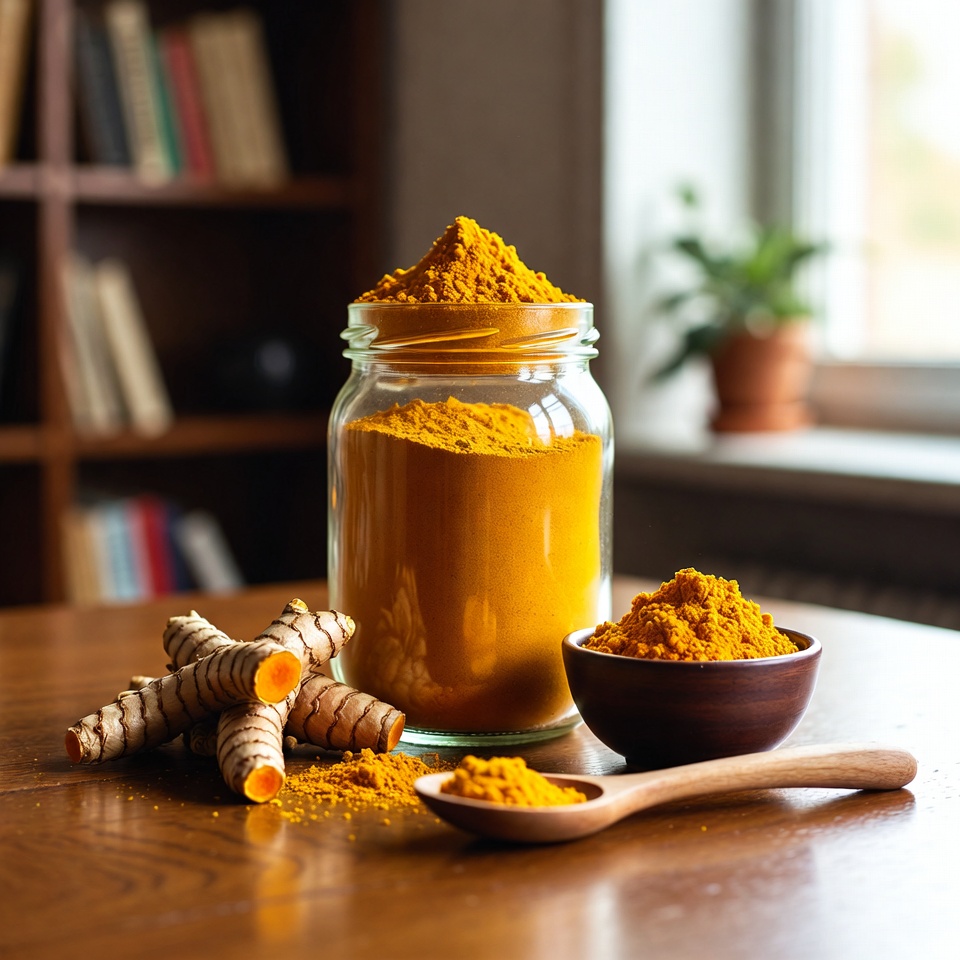
Turmeric, often called the “golden spice,” has been valued in traditional medicine systems for generations. Its main active compound, curcumin, is responsible for most of its therapeutic effects. When used correctly, turmeric can support many aspects of health—but overuse or improper use can lead to unwanted side effects.
Key Health Benefits of Turmeric
1. Potent Anti-Inflammatory Properties
Turmeric is well known for its strong anti-inflammatory action.
- Helps calm long-term (chronic) inflammation
- May support people dealing with arthritis, heart disease, and other inflammation-related conditions
2. High in Antioxidants
Curcumin is also a powerful antioxidant.
- Helps neutralize free radicals that damage cells
- May slow visible signs of aging
- Can lower the risk of many chronic diseases
3. Supports Immune Function
Regular turmeric intake may help keep your immune system resilient.
- Enhances the body’s natural defense mechanisms
- Can support the body in fighting infections and common illnesses
4. Promotes Healthy Digestion
Turmeric has long been used as a digestive aid.
- Stimulates bile production, which helps break down fats
- May reduce gas, bloating, and general digestive discomfort
- Supports overall gut health
5. Supports Joint Comfort and Mobility
People with joint problems often turn to turmeric as a natural option.
- May reduce joint pain and stiffness
- Commonly used for osteoarthritis and rheumatoid arthritis support
6. May Enhance Brain Function
Turmeric can positively impact brain health.
- Curcumin may increase levels of brain-derived neurotrophic factor (BDNF), a growth hormone in the brain
- Potentially lowers the risk of neurodegenerative conditions like Alzheimer’s disease
- May help improve mood and reduce symptoms of depression
7. Promotes Heart and Circulatory Health
Turmeric supports a healthy cardiovascular system.
- May help regulate blood pressure
- Can improve blood flow and circulation
- May reduce LDL (“bad”) cholesterol and support overall heart health
8. Helps with Blood Sugar Management
Turmeric may be a helpful addition for people managing diabetes.
- Can support balanced blood sugar levels
- May improve insulin sensitivity
- Often used as a complementary approach alongside medical treatment
6 Practical Ways to Use Turmeric as Medicine
1. Golden Milk for Inflammation
Ingredients:
- 1 cup milk (dairy or plant-based such as almond, oat, or coconut milk)
- 1 teaspoon turmeric powder
- A pinch of black pepper (helps the body absorb curcumin)
- Optional: honey or another natural sweetener
How to use:
Warm all ingredients together, stirring well. Drink in the evening, especially before bedtime, to soothe inflammation and promote relaxation.
2. Turmeric Tea for Immune Support
Ingredients:
- 1 teaspoon turmeric powder
- 1/2 teaspoon ginger powder (or fresh grated ginger)
- Juice of 1/2 lemon
- Honey to taste
How to use:
Combine ingredients with hot water, stir, and drink once daily. This tea can help strengthen immunity and ease symptoms of colds or sore throat.
3. Turmeric Paste for Joint Pain
Ingredients:
- 2 tablespoons turmeric powder
- 1 tablespoon coconut oil
- Enough water to create a thick paste
How to use:
Mix into a smooth paste. Apply gently to the painful joint, cover with a clean cloth or bandage, and leave on for about 30 minutes. Rinse off with lukewarm water. Always test on a small area first to check for skin sensitivity.
4. Turmeric Face Mask for Radiant Skin
Ingredients:
- 1 teaspoon turmeric
- 1 teaspoon honey
- 1 teaspoon yogurt or milk
How to use:
Blend all ingredients until smooth. Apply a thin layer to clean skin, avoiding the eyes. Leave on for about 10 minutes, then rinse thoroughly. Use once a week to help brighten the complexion and even out skin tone. Be aware that turmeric can temporarily stain light-colored skin or fabrics.
5. Turmeric Capsules for Daily Wellness
How to use:
Choose a high-quality supplement that contains standardized curcumin extract, ideally combined with black pepper (piperine) to enhance absorption. Follow the recommended dosage on the label or your healthcare provider’s advice. This is a convenient option if you don’t regularly cook with turmeric.
6. Turmeric Detox Drink for Digestion
Ingredients:
- 1 teaspoon turmeric powder
- 1 glass of warm water
- Juice of 1/2 lemon
How to use:
Stir well and drink first thing in the morning on an empty stomach. This simple drink can support gentle detoxification, stimulate digestion, and prepare your gut for the day.
Possible Side Effects of Turmeric
Although turmeric is considered safe for most people when used in moderate amounts, high doses or long-term excessive use may cause problems.
1. Digestive Discomfort
- Large amounts can irritate the stomach
- Possible symptoms include nausea, gas, bloating, or diarrhea
2. Blood-Thinning Effects
- Turmeric may enhance the effect of blood-thinning medications (such as warfarin, aspirin, or other anticoagulants)
- This can increase the risk of bruising or bleeding
3. Gallbladder Problems
- People with gallstones or blocked bile ducts should avoid high-dose turmeric supplements
- Turmeric can stimulate the gallbladder, which may worsen existing issues
4. Reduced Iron Absorption
- Excessive intake might interfere with the body’s ability to absorb iron
- Long-term overuse may contribute to iron deficiency in susceptible individuals
5. Allergic or Skin Reactions
- Some people may develop skin irritation, redness, or rashes when turmeric is applied topically
- Always patch-test a small area before using turmeric on larger sections of skin
6. Interactions with Medications
Turmeric and curcumin can interact with various drugs, including:
- Blood thinners (anticoagulants, antiplatelet medications)
- Antacids and drugs for acid reflux
- Diabetes medications (may enhance blood sugar–lowering effects)
If you are on prescription medication, medical supervision is strongly recommended before using turmeric in medicinal doses.
Tips for Using Turmeric Safely
- Aim for 1–3 grams per day of turmeric powder in food or drinks, or 500–600 mg of curcumin daily in supplement form (unless your doctor advises otherwise).
- Combine turmeric with black pepper and a source of healthy fat (such as coconut oil, olive oil, or milk) to improve curcumin absorption.
- Speak with a healthcare professional before using turmeric if you are:
- Pregnant or breastfeeding
- Taking any medication (especially for blood thinning, diabetes, or stomach issues)
- Managing chronic health conditions
Final Thoughts
Turmeric is a powerful natural ally for health, with benefits ranging from reduced inflammation and improved digestion to better joint, brain, and heart support. It can be enjoyed as a tea, golden milk, supplement, skin treatment, or morning detox drink.
However, even a “natural” remedy needs to be used wisely. Respect recommended doses, be mindful of possible interactions, and seek medical advice if you have any underlying conditions.
Used in moderation and with awareness, this golden spice can be a valuable part of your everyday wellness routine.