The Sad Story of Mufasa: A Circus Lion’s Path to Freedom
For more than twenty years, a majestic lion named Mufasa endured a life marked by cruelty and confinement. As part of a traveling circus in Peru, he was kept in the back of a battered, rusting pickup truck, bound by heavy chains. Those chains symbolized more than physical restraint—they represented the freedom, dignity, and natural life that had been stolen from him.
Mufasa’s life in captivity was harsh and demeaning, stripping away the peace and respect every wild animal deserves.
A Lion Found in Chains
Mufasa’s story reached the world in 2015, when Animal Defenders International (ADI) discovered him during a large-scale raid on illegal circuses across South America. Peru had recently banned the use of wild animals in circuses, but in practice the law was slow to take effect. Many animals remained hidden and continued to suffer behind closed doors. Mufasa was among the very last animals that ADI managed to track down and rescue under this campaign.
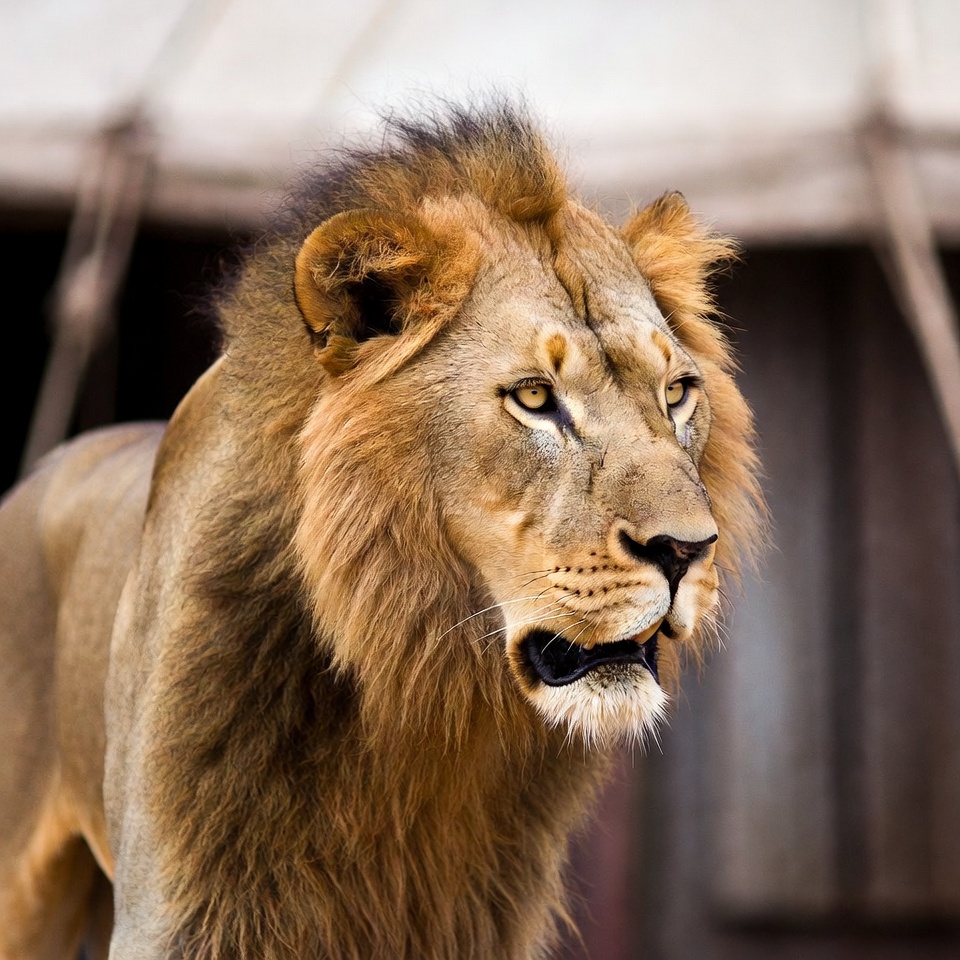
When rescuers finally found him, he was tightly chained in the bed of a truck. His body carried the visible marks of years of neglect, abuse, and poor living conditions. That truck had served as his cage for most of his life. The damage to his health and spirit was clear, and his situation exposed the grim reality of how wild animals are exploited for human entertainment.
A Difficult Battle for His Freedom
Freeing Mufasa was anything but simple. The circus owners initially refused to give him up, clinging to the lion they had used in their shows for so many years. What followed were weeks of tense negotiations, legal challenges, and enforcement efforts.
Only after persistent pressure and the backing of Peruvian authorities did ADI succeed in securing Mufasa’s release. His rescue highlighted how difficult it can be to uphold animal welfare laws when profit and tradition stand in the way.
Once freed, Mufasa was transported to a wildlife sanctuary, a world away from the chains and metal bars that had defined his past. For the first time in decades, he had the chance to spend his remaining days in a natural environment.
First Steps Into a New Life
Mufasa’s first moments at the sanctuary were captured on video and shared around the globe. They show a lion cautiously exploring his surroundings, almost unsure how to react to this newfound freedom.
After more than twenty years of captivity, he finally felt:
- Soft grass beneath his paws
- Shade from real trees instead of the shadow of a truck
- Open skies above him instead of a metal roof
The lion whose eyes had once looked dull and defeated now showed curiosity and calm. There was a quiet wonder in the way he moved, as if rediscovering what it meant to be a lion. At last, Mufasa was allowed to experience a small piece of the wild life that every wild animal should have.
A Short Freedom and a Gentle Goodbye
Tragically, Mufasa’s time in freedom was brief. In late 2015, only a few months after his rescue, he passed away. He suffered from kidney failure and other health problems tied to his old age and the many years of neglect he had endured in the circus.
His rescuers were heartbroken, but they found comfort in knowing that his final chapter was very different from the rest of his life. In his last months, Mufasa received:
- Proper medical care
- Kind, patient handling
- A peaceful environment where he could rest
- Respect and compassion he had never known before
Though his freedom came late and did not last long, it allowed him to experience safety, dignity, and gentle care before he died.
What Mufasa’s Story Reveals About Animal Exploitation
Mufasa’s journey casts a harsh light on the use of wild animals in circuses and other forms of entertainment. His life demonstrates how:
- Wild animals can spend decades in cramped, unnatural conditions
- Laws banning wild animals in circuses are effective only if strongly enforced
- Organizations like Animal Defenders International are crucial in turning legal protections into real change
His rescue and brief taste of freedom strengthened global calls to:
- End the use of wild animals in circuses and similar shows
- Improve enforcement of existing animal welfare laws
- Create safer sanctuaries for rescued animals
- Raise public awareness about the suffering hidden behind the circus tent and zoo bars
Mufasa’s story is not just about one lion; it reflects the experience of countless animals still living in chains for entertainment.
A Symbol of Resilience, Compassion, and Hope
Mufasa’s final moments were bittersweet. His body was worn out, but his spirit showed the quiet strength of an animal that had endured far more than he ever should have. His story demonstrates:
- The resilience of animals, even after years of hardship
- The power of human compassion to transform a life, even at the very end
- The importance of speaking out for those who cannot speak for themselves
For everyone who followed his rescue, Mufasa has become a symbol of hope and change—a reminder that every act of kindness matters, and that no animal should ever have to live as he did.
A Legacy That Lives On
Mufasa, the circus lion who spent two decades chained in the back of a pickup truck in Peru, was finally rescued in 2015 by Animal Defenders International. His life story reveals how animals continue to suffer in circuses, roadside zoos, and other exploitative attractions around the world.
Although his body had been damaged by years of cruelty, his rescue allowed him to spend his final months in a natural setting, surrounded by care instead of chains. His short-lived freedom underscores how urgent it is to strengthen protections for animals everywhere.
Mufasa’s journey from captivity to sanctuary gave him a taste of peace and dignity, however brief. His legacy continues to inspire efforts to end the use of wild animals in circuses and to create a future where no animal has to endure what he did.