
Healthy Weight Support After 70: Simple Daily Eating Habits That Make a Difference
Reaching your 70s and beyond often brings normal physical changes that can make weight management feel harder than it used to. As the years pass, metabolism tends to slow down, muscle mass gradually declines, and the body uses less energy for everyday activities. Over time, this can contribute to steady weight gain, even without major changes in eating habits.
Carrying extra weight may also make routine tasks feel more tiring and raise concerns about maintaining mobility, energy, and independence. The positive news is that meaningful progress does not require strict dieting or extreme rules. Small, repeatable improvements in your daily meals can support healthy weight control. One simple food, in particular, can fit easily into a senior-friendly routine when enjoyed once a day.
Why Weight Management Changes After Age 70
After 70, the body usually needs fewer calories, yet its need for vitamins, minerals, protein, and other nutrients remains the same or may even increase. That mismatch can make healthy eating more challenging. Many older adults notice gradual weight gain despite eating much like they always have.
Experts, including those at the National Institute on Aging, note that after 70 the goal is not only reducing excess body fat but also protecting muscle. Maintaining muscle is essential for balance, strength, mobility, and everyday function.
Fortunately, there is no need for crash diets or exhausting workout routines. A steady, balanced eating pattern built around nutrient-rich foods is far more effective. Research continues to show that slow, practical changes are safer and easier to maintain than rapid weight-loss methods.
A key factor is choosing foods that combine protein, fiber, and healthy fats. This combination can help you stay full longer and better support the body's changing needs.

The Basics of a Senior-Friendly Eating Plan
A smart eating pattern after 70 should emphasize foods that offer strong nutrition in reasonable portions. Good choices include:
- Colorful vegetables
- Fresh fruits
- Lean protein sources
- Whole grains
- Low-fat dairy products
This approach reflects guidance from trusted health sources such as Mayo Clinic and Harvard Health, both of which stress the value of dietary variety as people age.
Portion size also becomes increasingly important. Using smaller plates, serving moderate portions, and paying attention while eating can help reduce excess calories without creating a sense of deprivation. Hydration matters too, since thirst is sometimes confused with hunger.
What often makes the biggest difference is not a single perfect meal, but a set of daily habits that feel realistic and sustainable.
Why Protein Matters More Than Ever
One major reason weight management becomes more difficult after 70 is age-related muscle loss, known as sarcopenia. As muscle decreases, metabolism can slow even further. That is why protein becomes especially valuable in later life.
A higher protein intake can help preserve muscle while also increasing fullness after meals. Current research on older adults often suggests aiming for about 1 to 1.2 grams of protein per kilogram of body weight, distributed throughout the day.
Excellent protein choices include:
- Fish
- Chicken and turkey
- Eggs
- Beans and legumes
- Dairy products
These foods can help support strength and body composition without adding unnecessary calories. Among them, one dairy option stands out as especially useful for convenience, nutrition, and daily weight support.
The Best Daily Food Choice: Plain Greek Yogurt
For many adults over 70, plain Greek yogurt is one of the most practical foods to include every day. It delivers a strong amount of protein in a relatively low-calorie serving and also contains probiotics, which may help support digestion and gut health.
Nutrition research has linked regular yogurt intake with improved weight-related outcomes, including healthier body composition and lower abdominal fat, especially when part of an overall calorie-conscious plan.
Plain Greek yogurt is easy to add to your routine because it has:
- A thick, satisfying texture
- Mild flavor
- High protein content
- No need for added sugar if paired with fruit
- Flexibility for breakfast or snacks
Many studies suggest that people who eat yogurt regularly are more likely to maintain a healthier weight over time. It is a simple addition that works well with fresh berries, sliced fruit, or a small amount of nuts.
To get the most benefit:
- Choose plain, unsweetened Greek yogurt
- Look for options with at least 15 grams of protein per serving
- Enjoy about one cup per day
- Add berries or other fruit for natural sweetness and fiber
This quick habit takes almost no preparation, yet it can help you stay satisfied for hours.
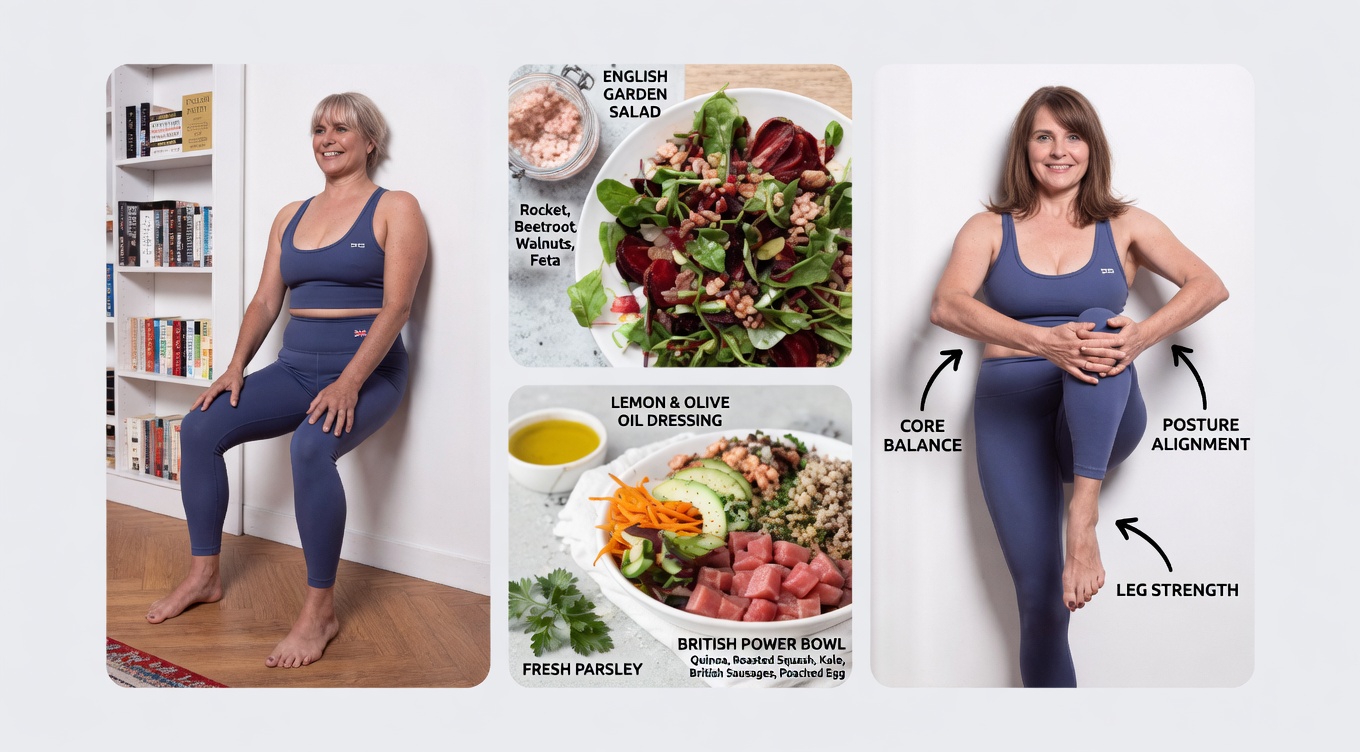
Foods to Focus On for Steady, Sustainable Results
Building meals around nutrient-dense foods makes it easier to control calories naturally while still feeling full and energized. Prioritize these options:
- Leafy greens and non-starchy vegetables for volume, vitamins, and minerals
- Berries, apples, and citrus fruits for fiber and natural sweetness
- Lean proteins such as fish, eggs, chicken, and beans
- Whole grains like oats, quinoa, and brown rice
- Healthy fats from olive oil, nuts, and avocado in modest portions
- Low-fat dairy, especially plain Greek yogurt as a daily staple
These foods support fullness, muscle maintenance, and better overall nutrition while keeping meals satisfying and varied.
Foods to Limit More Often
A healthy plan does not need to ban foods completely, but some choices are best eaten less frequently because they add calories without offering much nutrition. Try to cut back on:
- Sugary beverages
- Sweets and desserts
- Fried foods
- Highly processed snack foods
- Salty canned products
- Refined grains such as white bread, pastries, and similar baked goods
Replacing these with more nutritious options often leads to visible improvements in energy and comfort within a few weeks.
A Simple Day of Eating to Try
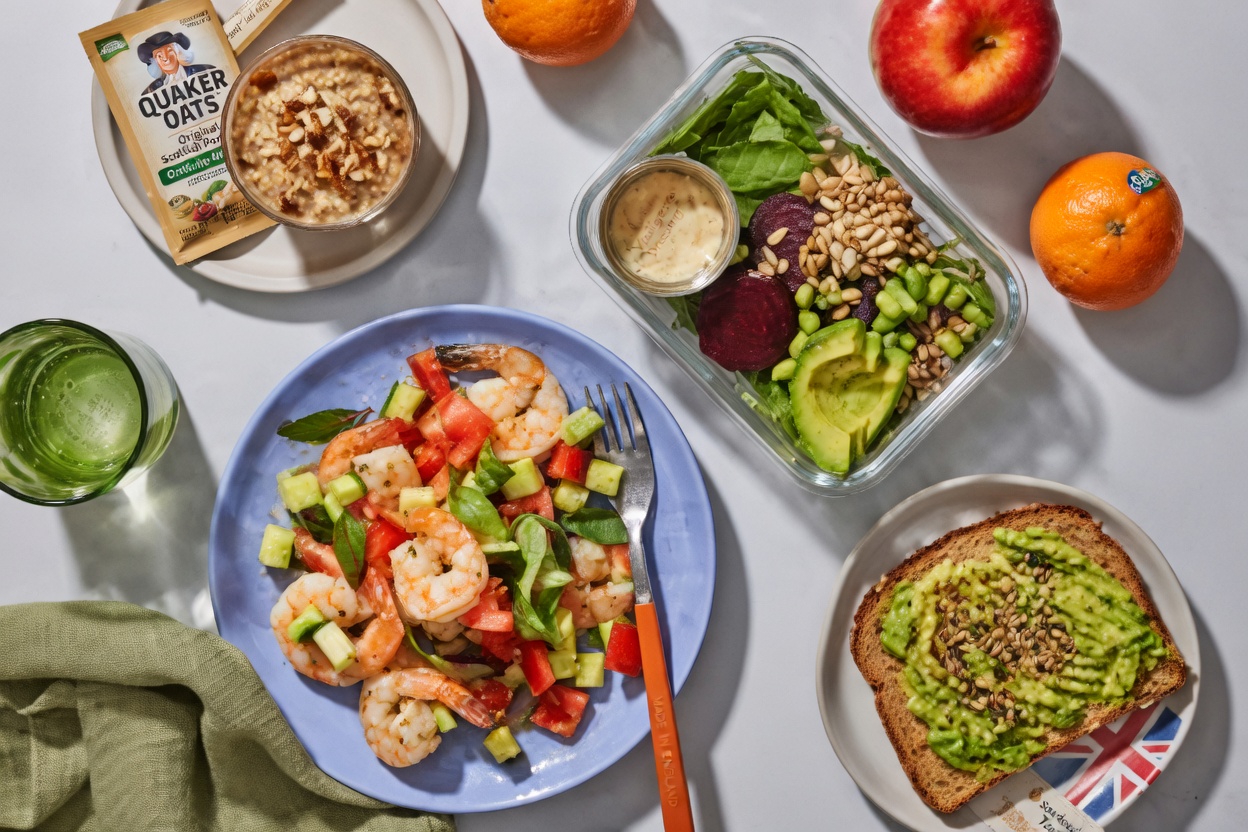
Here is one balanced example of how a day might look:
- Breakfast: One cup of plain Greek yogurt topped with berries and a small handful of almonds
- Lunch: Grilled chicken salad with mixed greens, tomatoes, cucumber, and a light olive oil dressing
- Snack: Apple slices with a small serving of peanut butter
- Dinner: Baked salmon with quinoa and steamed broccoli
- Evening drink: Herbal tea or water with lemon
This kind of daily pattern spreads protein across meals, includes fiber-rich foods, and leaves room to adjust portions based on your appetite and activity level.
Practical Changes You Can Start Today
The best approach is to begin with manageable steps. Try the following:
- Keep plain Greek yogurt and fresh produce in your refrigerator
- Plan your meals for the next three days
- Notice how you feel after eating, not just what the scale says
- Drink a full glass of water before meals to help with digestion and portion awareness
These actions are simple, affordable, and easy to repeat. Over time, consistency matters far more than perfection.
Add Gentle Movement for Better Results
Although food choices are the main focus here, light physical activity can strengthen your progress. Gentle movement helps preserve muscle, supports metabolism, and improves mood.
Good options include:
- Walking
- Chair-based exercises
- Swimming
- Light stretching
Aim to move on most days if possible, and speak with your doctor before beginning a new routine. When healthy eating is paired with regular activity, the benefits go well beyond weight alone.
Final Thoughts: Small Habits Can Lead to Big Improvements
Managing weight after 70 is usually not about strict limitations. It is about creating enjoyable routines that nourish the body and fit everyday life. Choosing more nutrient-rich foods, including protein at each meal, and adding plain Greek yogurt once a day can be a practical and effective strategy.
These simple decisions may help you feel stronger, more energized, and more confident in your health. Progress may show up not only on the scale, but also in how your clothes fit, how easily you move, and how much better daily activities feel.
Frequently Asked Questions
Can I safely lose weight after age 70?
Yes. For many healthy older adults, losing around 1 to 2 pounds per week is generally considered safe. The focus should remain on nutrient-dense foods and preserving muscle. It is always wise to speak with your doctor to find the best approach for your health status.
What type of yogurt is best to eat every day?
The best option is plain Greek yogurt without added sugar. It usually offers more protein and fewer calories than flavored versions, which often contain extra sweeteners. One serving per day fits easily into most healthy eating plans.
Is exercise necessary if I improve my diet?
Physical activity is not required for every improvement, but it can significantly enhance results. Even gentle daily movement, such as walking, can help maintain muscle and support long-term success. Combining better nutrition with regular movement creates the strongest overall benefit.