
Natural Remedies for Ear Pain and Ear Infections
Ear pain is a frequent complaint that can affect children and adults alike. It may be triggered by ear infections, wax buildup, allergies, colds, sinus issues, or even sudden changes in air pressure. When not managed properly, ear problems can sometimes lead to more serious complications and affect your hearing.
Alongside medical care when needed, there are several natural home remedies that may help ease discomfort, reduce inflammation, and support your body in fighting mild infections. Below you’ll find a selection of popular natural options to support ear health.
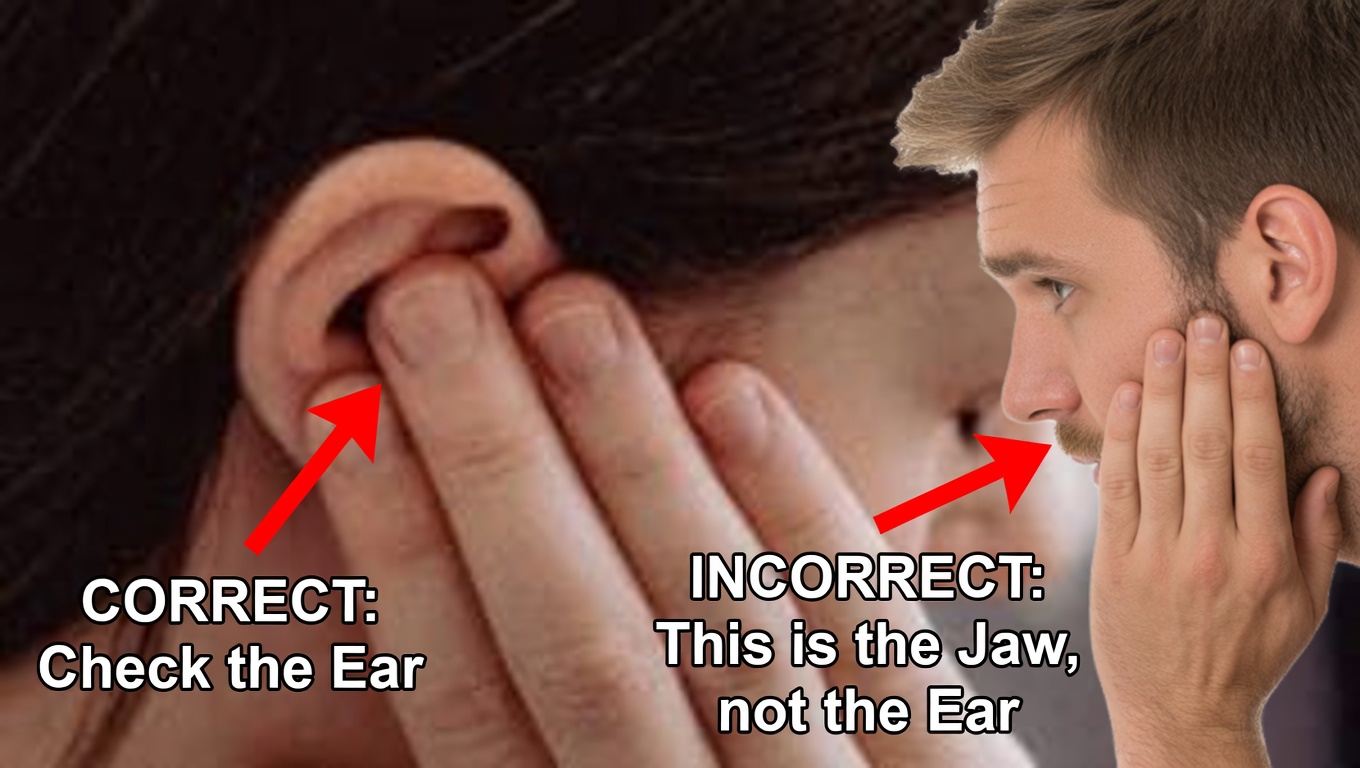
1. Garlic Oil: Powerful Natural Antibacterial and Pain Soother
Garlic is well known for its strong antibacterial and anti‑inflammatory properties. Its active compound, allicin, can help the body fight certain bacteria and may provide relief in cases of minor ear infections and earache.
Ingredients
- 3 garlic cloves
- 2 tablespoons olive oil
Preparation and Use
- Gently crush the garlic cloves to release their juices.
- Add the crushed garlic to a small pan with the olive oil.
- Warm the mixture over low heat for 2–3 minutes. Do not let it boil.
- Remove from heat and allow it to cool until it is lukewarm.
- Using a clean dropper, place 2–3 drops of the garlic oil into the affected ear.
- Lightly massage around the outer ear to help the oil spread.
- Use up to twice a day until you notice improvement.
Tips & Safety
- Always test the temperature on your wrist first; the oil should be comfortably warm, not hot.
- Never insert raw garlic directly into the ear canal, as this can cause irritation or injury.
- Do not use ear drops if you suspect a perforated eardrum, have severe pain, or discharge; seek medical advice instead.
2. Warm Compress: Fast Relief for Ear Discomfort
Heat is a simple, effective way to ease ear pain caused by fluid buildup, congestion, or inflammation in the middle ear. A warm compress can boost blood flow in the area, relax surrounding muscles, and reduce pressure.
What You Need
- 1 clean cloth or small towel
- Warm water
How to Apply
- Soak the cloth in warm water and wring out the excess.
- Place the warm compress gently over the painful ear.
- Keep it in place for about 5–10 minutes.
- Repeat several times a day as needed for comfort.
Tips & Safety
- Make sure the water is warm, not hot, to avoid burning the skin.
- Do not press hard on the ear; gentle contact is enough.
- You can alternate warm compresses with rest periods for continued relief.
3. Apple Cider Vinegar: pH Balancer and Natural Antimicrobial
Apple cider vinegar is often used as a natural remedy for mild ear infections due to its antibacterial and antifungal properties. It can help restore a healthier pH environment in the ear canal and discourage the growth of harmful microorganisms.
Ingredients
- 1 part raw apple cider vinegar
- 1 part warm water
How to Use
- Mix equal parts apple cider vinegar and warm water in a clean container.
- Fill a sterile dropper with the mixture.
- Place a few drops into the affected ear while tilting your head to the side.
- Let it sit for about 5 minutes.
- Tilt your head in the opposite direction to allow the liquid to drain out.
- Use once a day until symptoms improve.
Tips & Safety
- Choose raw, unfiltered apple cider vinegar for best results.
- If you notice irritation or burning, dilute the mixture with more water or stop using it.
- Do not use this remedy if you suspect a ruptured eardrum, have tubes in your ears, or experience strong pain or discharge—consult a healthcare professional first.
4. Warm Onion Compress: Easing Pain and Inflammation
Onions contain natural compounds with antibacterial and anti‑inflammatory effects. A warm onion compress placed over the ear may help lessen pain and swelling.
Ingredients
- 1 onion
- 1 clean cloth or small towel
Preparation and Application
- Slice the onion into thick rounds.
- Wrap the slices in the cloth to create a small compress.
- Warm the wrapped onion in the microwave for about 1 minute.
- Allow it to cool slightly until it feels pleasantly warm, not hot.
- Place the warm compress over the affected ear for 10–15 minutes.
- Repeat several times a day as needed.
Tips & Safety
- Always check the temperature before placing the compress on the skin to avoid burns.
- If you feel discomfort, burning, or skin irritation, remove the compress immediately.
- Do not place onion pieces directly inside the ear canal.
Additional Tips for Better Ear Health
Adopting healthy habits is essential for preventing recurring ear problems and protecting your hearing in the long term:
- Avoid inserting objects into the ear canal. Cotton swabs, hairpins, or other items can push earwax deeper, cause blockages, or damage the eardrum.
- Keep your ears clean and dry. After swimming or showering, gently dry the outer ear to reduce the risk of infection.
- Limit exposure to loud noise. Prolonged or intense noise can cause permanent inner ear damage; use ear protection in noisy environments.
- Support your immune system. A balanced diet, good sleep, hydration, and regular exercise can help your body fight infections more effectively.
- Seek professional care when needed. If ear pain lasts more than a few days, is severe, or comes with hearing loss, fever, or discharge, consult a doctor or ear specialist promptly.
Final Thoughts
Ear pain can be extremely uncomfortable, but many people find relief by combining natural home remedies with good ear care habits. Garlic oil, warm compresses, apple cider vinegar, and onion compresses are traditional options that may help soothe mild discomfort and support your body’s healing processes.
Always pay attention to how your body responds. If symptoms worsen, do not improve, or are accompanied by significant hearing changes, always reach out to a healthcare professional. Protecting your ears today is key to maintaining healthy hearing throughout your life.
Important Notice
This article is for informational purposes only and is not a substitute for professional medical advice, diagnosis, or treatment. If you experience severe, sudden, or persistent ear pain, hearing loss, dizziness, discharge, or any other concerning symptoms, consult a qualified healthcare provider as soon as possible.