Datura (Angel’s Trumpet): 10 Reasons Not to Grow It in Your Garden
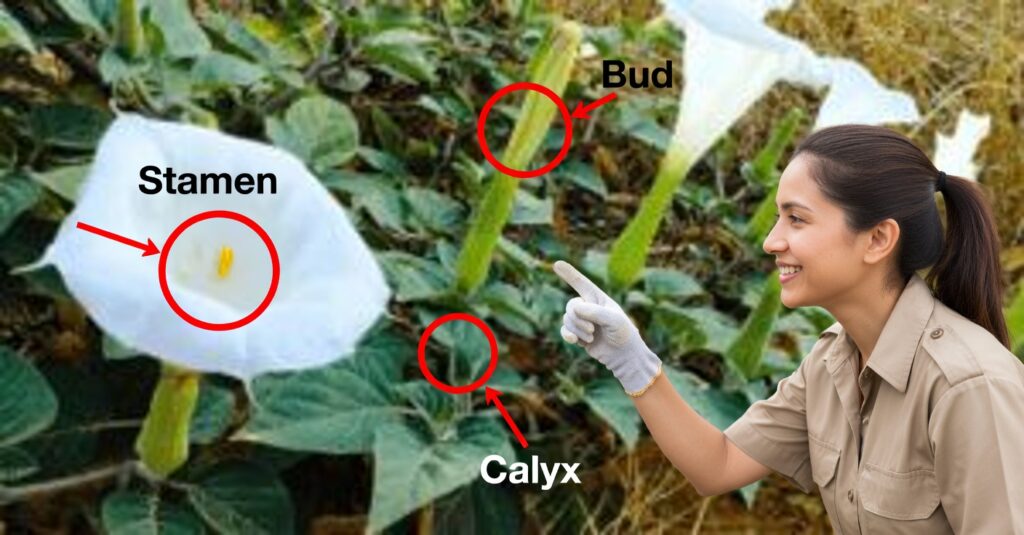
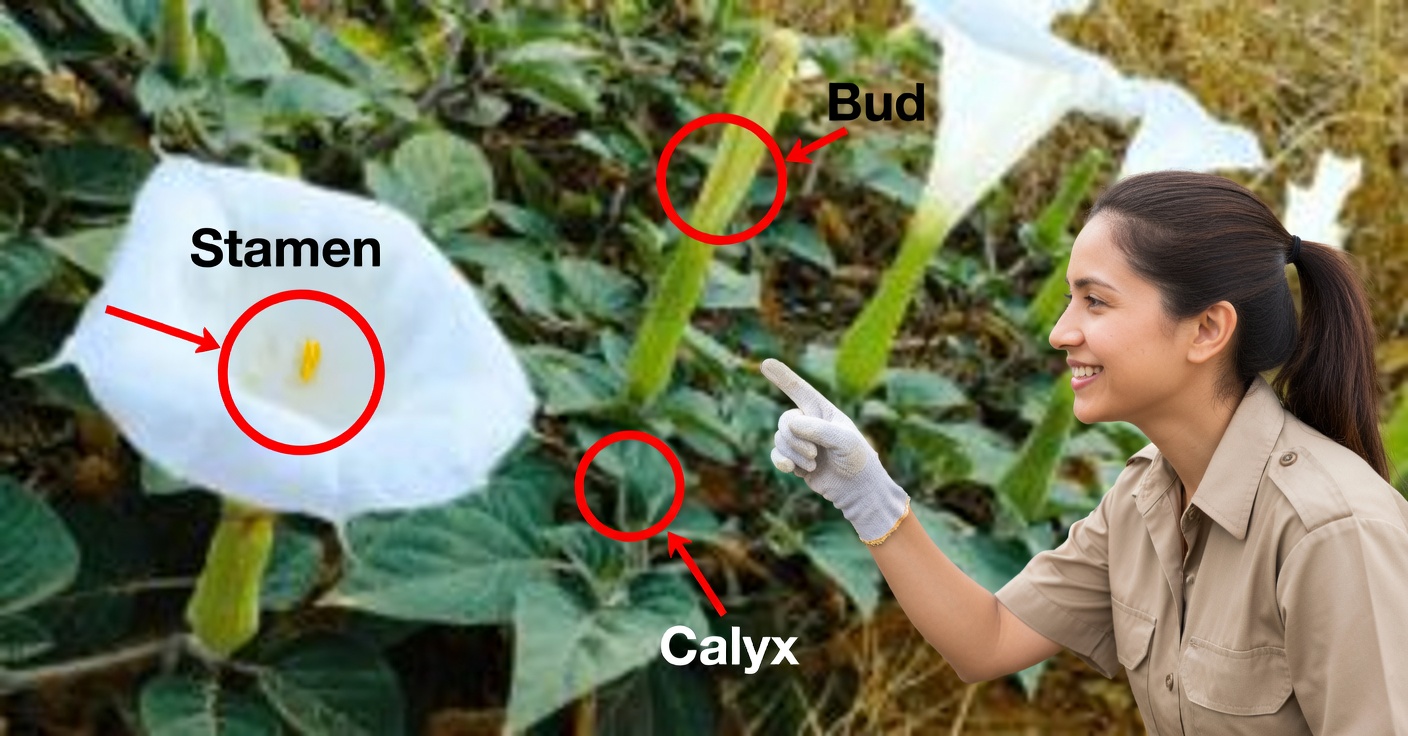
Datura, often called Angel’s Trumpet or Trumpet Flower, is a striking ornamental plant that many gardeners find irresistible. Large, pendulous blooms and a dramatic appearance make it seem like a perfect focal point for any yard.
Yet behind this beauty lies a long list of serious risks, from extreme toxicity to dangers for children, pets, and even the surrounding environment. Below are the key reasons this plant is best kept far away from your home and garden.
10 Reasons to Avoid Datura in Your Garden
-
Extremely Toxic to Humans and Animals
Every part of the plant contains potent tropane alkaloids such as scopolamine and atropine. Ingesting even small amounts can be life‑threatening.
In sensitive individuals, simple skin contact with sap or plant material may trigger adverse reactions. -
Serious Hazard for Children
The plant’s showy, trumpet-shaped flowers and unusual seed pods can easily attract curious kids.
Touching, chewing, or accidentally swallowing any part of the plant can cause severe poisoning and medical emergencies. -
Dangerous for Pets
Dogs, cats, and other household animals may nibble on leaves, flowers, or seeds.
This can lead to symptoms like vomiting, diarrhea, confusion, tremors, and seizures, and in some cases may be fatal without immediate veterinary care. -
Difficult to Handle Safely
Pruning, transplanting, or removing datura is not a simple task.
Protective gloves, long sleeves, and eye protection are strongly recommended because its toxins can be absorbed through the skin and mucous membranes. -
Can Attract People with Harmful Intentions
Datura has a long history of use in witchcraft, occult rituals, and as a hallucinogenic drug.
Growing it visibly in your yard can draw attention from individuals looking to harvest it for dangerous or illegal purposes. -
Potential Soil and Water Contamination
The toxic compounds in datura can leach into the surrounding soil. Fallen leaves and plant debris may contaminate nearby water sources, such as ponds, ditches, or streams, potentially affecting wildlife and local ecosystems.
-
Invasive Behavior in Many Regions
In numerous areas, datura is considered an invasive species because it self‑seeds aggressively and spreads quickly.
It can outcompete native plants, reduce biodiversity, and be very difficult and costly to remove once it becomes established. -
Can Trigger Respiratory Issues
The pollen and fine particles from datura flowers can provoke allergies, irritation, and asthma attacks in sensitive people.
For individuals with respiratory conditions, having this plant nearby may worsen symptoms. -
High Risk of Accidental Poisoning
Datura seeds can sometimes be mistaken for harmless herbs or edible seeds, especially if they are dried or mixed with other plant material.
Such confusion has led to multiple cases of accidental intoxication worldwide. -
Particularly Unsafe for Inexperienced Gardeners
Gardeners who are unaware of datura’s toxicity may handle it casually, without gloves or precautions, unknowingly exposing themselves and their families to significant risks.
Mismanagement, improper disposal, or casual propagation can all increase the chance of accidents.
Other Common Names for Datura
Depending on the country or region, datura is also known by several other names, including:
- Angel’s Trumpet / Trumpet Flower
- Jimsonweed
- Toloache
- Trumpet Vine Flower (not to be confused with non‑toxic species)
- Thorn Apple / Spiny Apple
- Devil’s Weed / Devil’s Trumpet
Knowing these names can help you recognize and avoid the plant when buying seeds or visiting nurseries.
Safety Precautions If You Already Have Datura at Home
If you currently have datura in your garden or must handle it for removal, follow these safety guidelines:
-
Use proper protective gear
Wear gloves, long sleeves, and protective eyewear to reduce skin and eye contact with sap or plant material. -
Control its spread
Remove flowers and seed pods before they mature and drop to prevent uncontrolled self‑seeding and further spread. -
Keep it away from children and pets
Ensure that kids and animals cannot reach the plant, and clearly warn family members and visitors about its toxicity. -
Have an emergency plan
Keep a basic first‑aid kit at home and know the nearest emergency medical facility. In any suspected poisoning, seek immediate medical or veterinary help and, if possible, bring a sample of the plant. -
Consult professionals for removal
If you are unsure how to safely cut back or eradicate datura, contact a licensed landscaper, arborist, or local extension service experienced in handling toxic and invasive plants.
Conclusion
While datura is undeniably beautiful, its extreme toxicity, handling risks, invasive potential, and the threat it poses to children, pets, and local ecosystems make it a poor choice for a home garden.
For a safer, family‑friendly outdoor space, choose non‑toxic ornamental plants that offer color and fragrance without the hidden dangers associated with datura.