Do Vitamins Increase Blood Clot or Stroke Risk in Seniors?
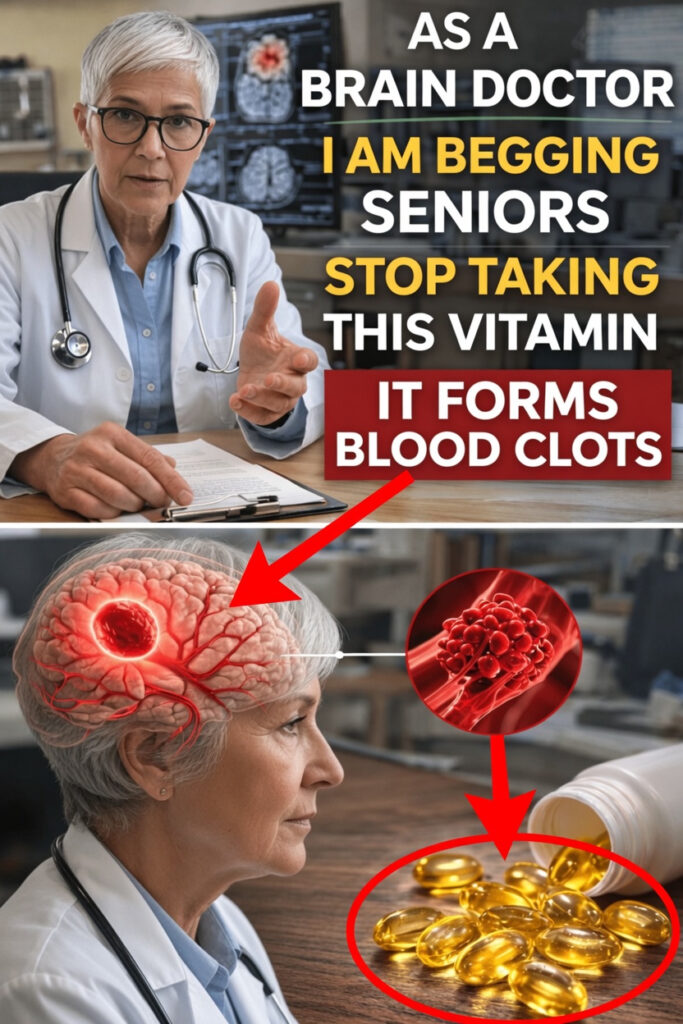
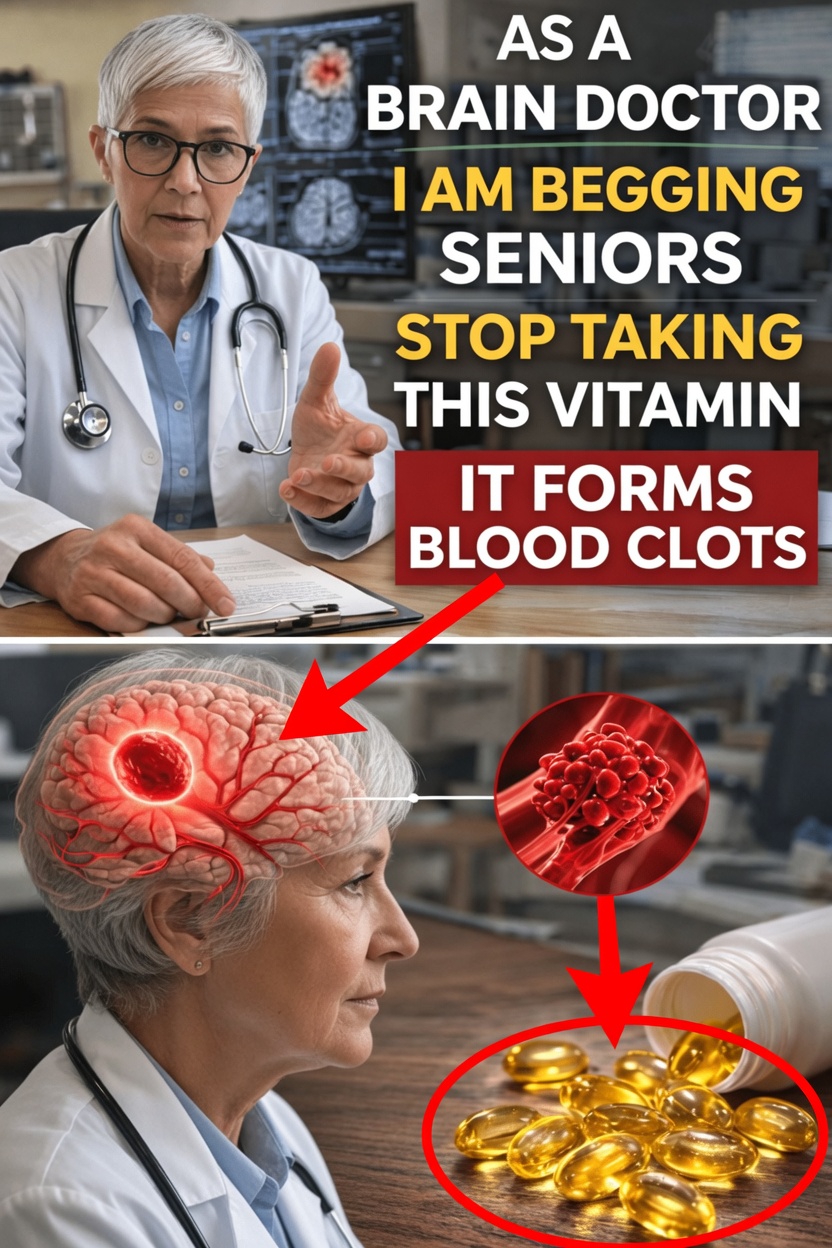
Many older adults take daily vitamins to help maintain energy, mobility, and overall wellness. At the same time, alarming social media posts—often shared by self-proclaimed “brain doctors”—warn that one common vitamin can supposedly trigger blood clots or stroke almost immediately. It is no surprise that these claims make seniors anxious, especially since stroke prevention is already a major health concern later in life.
The reassuring truth is that scientific evidence does not support these dramatic warnings. No standard vitamin taken at normal recommended amounts suddenly causes blood clots in healthy older adults. However, some supplements—especially when used in very high doses or alongside certain medications—can affect clotting and stroke risk in specific situations. Knowing the real facts can help seniors make informed decisions without unnecessary fear.
Why Blood Clots and Stroke Are a Bigger Concern With Age
As people grow older, their natural risk of stroke and blood clots rises. Several age-related factors contribute to this, including:
- Higher blood pressure
- Reduced physical activity or mobility
- Changes in blood vessel health
- Greater likelihood of chronic conditions
Because of these risks, many seniors look to vitamins and supplements for added protection. But online advice is often contradictory. One source may label a vitamin dangerous, while another praises it as essential.
What matters most is the quality of the evidence. Large reviews and well-designed studies provide a much clearer picture than viral stories or isolated personal experiences. While some high-dose supplements show mixed results, nutrients from whole foods remain the most reliable and safest option for most people.
The Vitamin Most Commonly Blamed: Vitamin K
Vitamin K is frequently mentioned in online warnings because it plays a central role in normal blood clotting. The body needs it to make proteins that stop bleeding after injury. That is why it is often called the “clotting vitamin.”
This connection can sound alarming, but context is important. Vitamin K becomes a concern mainly for people who take blood-thinning medications such as warfarin. A sudden increase or decrease in vitamin K intake can change how those medicines work, which may raise the risk of either clotting or bleeding.
For healthy seniors who are not using those medications, normal amounts of vitamin K from food or standard supplements do not appear to cause abnormal clotting or increase stroke risk. In fact, research suggests that sufficient vitamin K may support cardiovascular health by helping reduce calcium buildup in the arteries.
Main Types of Vitamin K
- Vitamin K1: Found mainly in leafy green vegetables such as spinach and kale, and primarily involved in blood clotting
- Vitamin K2: Found in fermented foods and certain cheeses, and often associated with bone and blood vessel support
Current research does not show a strong connection between typical vitamin K supplementation and thrombosis in healthy older adults. Some studies even link low vitamin K status in seniors with problems such as stiffer arteries.
Vitamin E: Another Nutrient That Often Sparks Concern
Vitamin E is another supplement that frequently appears in discussions about stroke. Unlike vitamin K, the concern here is not blood clot formation itself, but how high-dose supplementation may affect different types of stroke.
Large meta-analyses have found that taking high-dose vitamin E supplements—usually more than 400 IU per day—may have mixed effects:
- A modest increase in the risk of hemorrhagic stroke, which involves bleeding in the brain
- A slight decrease in the risk of ischemic stroke, which is caused by a blockage or clot
Some reviews estimate:
- About a 22% higher risk of hemorrhagic stroke
- Roughly a 10% lower risk of ischemic stroke
Even so, vitamin E supplements have not shown a clear overall benefit for preventing stroke in general. For that reason, high-dose vitamin E is not routinely recommended for seniors. Vitamin E from food sources—such as seeds, nuts, and healthy oils—appears to be the safer and more beneficial approach.
Other Vitamins Linked to Stroke or Clotting Discussions
Several other vitamins are often mentioned online, but the evidence varies depending on the nutrient and the individual’s health status.
B Vitamins
B vitamins, especially B6, B12, and folic acid, are often studied because they can help lower homocysteine, a substance associated with cardiovascular risk. In people with low levels, these vitamins may offer a modest reduction in stroke risk.
Vitamin D
Low vitamin D levels have been associated with poorer recovery and outcomes after stroke. However, there is no strong proof that vitamin D itself causes clots. Some concerns have been raised about very high-dose vitamin D combined with calcium in specific populations, but evidence for direct clot formation remains weak.
Vitamin C
Some population studies suggest that higher blood levels of vitamin C are linked to a lower risk of stroke. This benefit is generally associated with diets rich in fruits and vegetables rather than large supplemental doses.
The Big Picture
The main lesson is simple: a balanced intake of vitamins through food is usually the best strategy. Taking megadoses without medical advice can sometimes create unnecessary risks or interactions.
Safe and Practical Ways Seniors Can Protect Brain and Heart Health
Instead of worrying about one vitamin, it is more helpful to focus on habits that are proven to support healthy circulation and reduce stroke risk.
Smart Steps to Take
- Choose food first: Whole foods provide nutrients in balanced amounts and lower the chance of overdoing supplements.
- Speak with your doctor: This is especially important if you take blood thinners or have heart or vascular conditions.
- Keep intake consistent: If you use medication affected by diet, avoid sudden major changes in vitamin intake.
- Focus on proven prevention: Managing blood pressure, staying active, eating nutritious meals, and getting regular check-ups matter far more than any single supplement.
Best Food Sources of Vitamin K for Seniors
For most older adults, these vitamin K-rich foods are safe and beneficial:
- Kale
- Spinach
- Other dark leafy greens
- Broccoli
- Brussels sprouts
- Natto and other fermented foods rich in K2
- Certain cheeses, including Gouda and Brie
Foods Naturally Rich in Vitamin E
To get vitamin E safely through diet, include foods like:
- Almonds
- Sunflower seeds
- Spinach
- Avocado
- Vegetable oils in moderate amounts
In most cases, steady portions from food are preferable to high-dose pills unless a healthcare professional recommends supplementation.
Food vs. High-Dose Supplements: A Quick Comparison
Vitamin K
- From food: Supports normal clotting and may help maintain healthy blood vessels
- From high-dose supplements: Can interfere with certain medications, but does not appear to cause excess clotting in healthy seniors
Vitamin E
- From food: Associated with better overall dietary quality and possible stroke protection
- From high-dose supplements: May produce mixed effects on stroke subtypes and offers no clear overall prevention benefit
Overall Impact
- Food-based nutrients: Lower risk, better balance, fewer interactions
- Megadose supplements: Greater chance of imbalance, side effects, or medication conflicts
Final Thoughts: Choose Balance Over Panic
Older adults should not be frightened by exaggerated claims that a single vitamin can suddenly cause blood clots overnight. Current evidence does not support that idea when vitamins are taken appropriately. The safer and smarter approach is moderation, a food-first diet, and personalized advice from a healthcare provider.
For real protection against stroke and circulation problems, focus on the basics that matter most:
- Walk regularly
- Eat more vegetables and nutrient-rich foods
- Keep blood pressure under control
- Stay engaged with routine medical care
These habits offer far more reliable benefits than fear-driven supplement warnings ever will.
FAQ
1. Can seniors take vitamin K supplements safely?
In most cases, yes—when used at recommended amounts. However, anyone taking blood thinners should speak with a doctor first. For many seniors, consistent vitamin K intake from food is the best option.
2. Does high-dose vitamin E raise stroke risk?
High-dose vitamin E has been linked to a slightly higher risk of hemorrhagic stroke and a slightly lower risk of ischemic stroke. Overall, it does not show strong benefits for stroke prevention, so food sources are usually the better choice.
3. What should I do if I already take several vitamins?
Review all supplements with your healthcare provider. They can check for possible interactions, confirm whether the doses are appropriate, and help you choose what is truly necessary.