Purslane Benefits: Why This Wild Green Deserves a Place on Your Plate
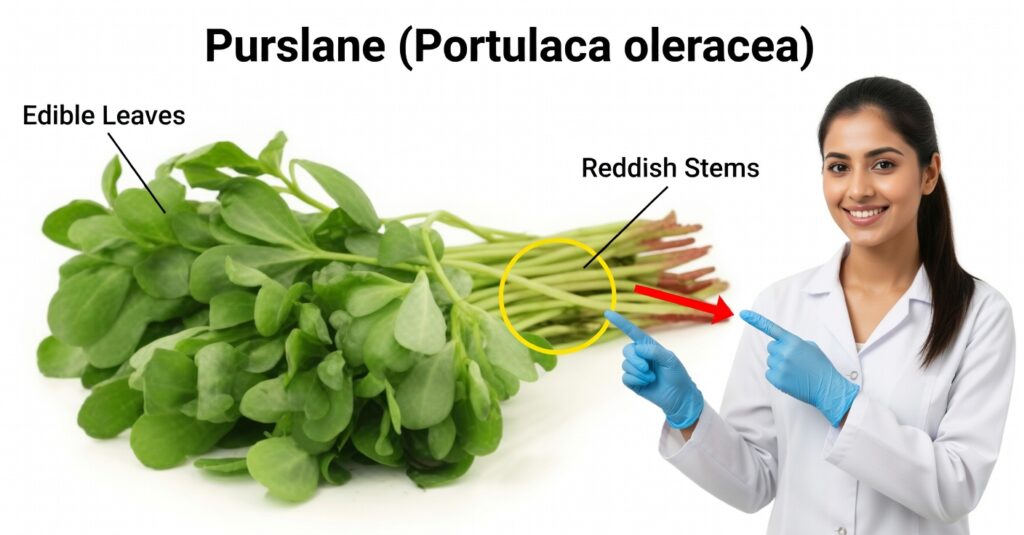
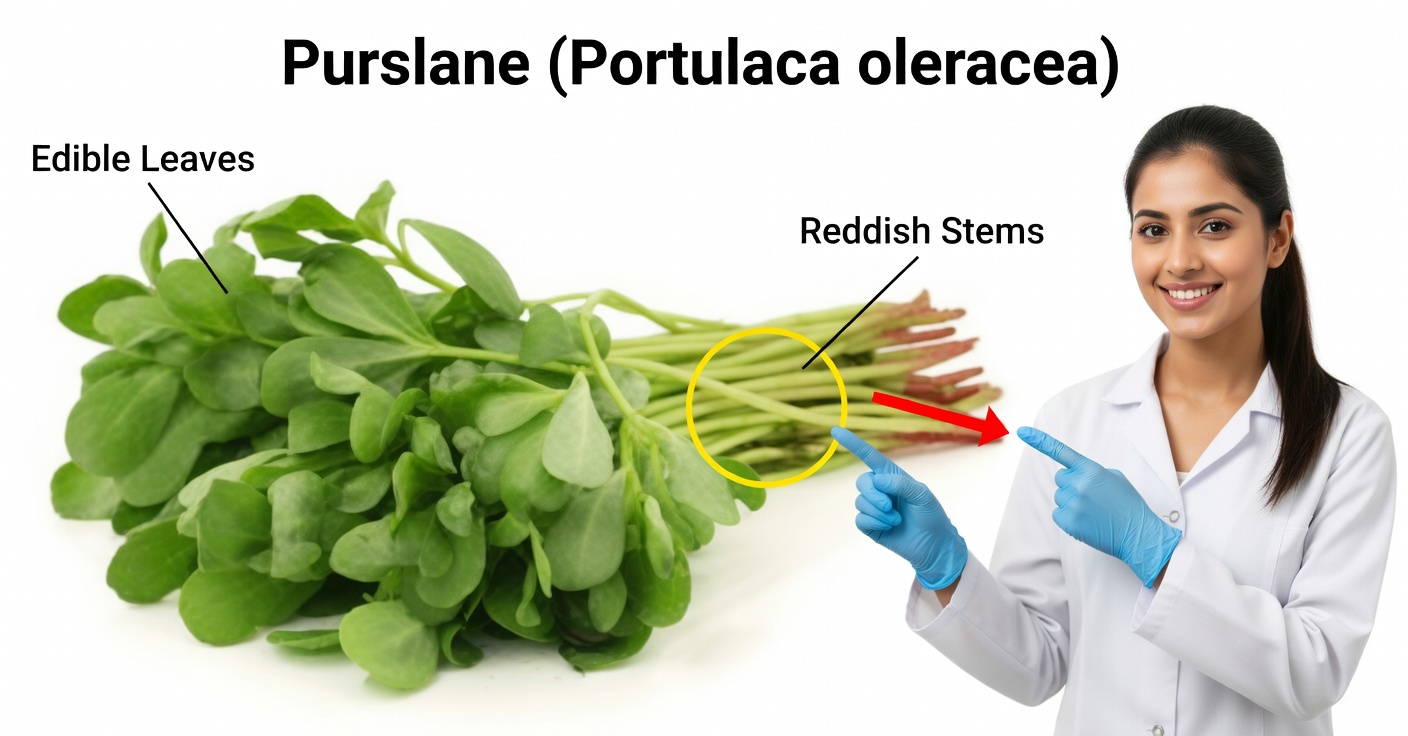
Purslane (Portulaca oleracea) is an edible leafy plant packed with impressive health benefits. Thanks to its rich nutrient profile, medicinal properties, and versatility in the kitchen, it’s often considered a powerful superfood. Below, you’ll find its key health benefits, nutritional value, and simple recipes to help you easily add purslane to your diet.
Top Health Benefits of Purslane
1. Excellent Plant-Based Source of Omega‑3
Purslane is one of the rare leafy vegetables naturally rich in omega‑3 fatty acids, particularly alpha-linolenic acid (ALA). These essential fats support:
- Heart health
- Brain function
- Balanced inflammation levels
This makes purslane especially valuable for people following plant-based or low-fish diets.
2. Strong Antioxidant Power
This humble plant contains phenolic compounds and beta-carotene, both known for their antioxidant action. These compounds help:
- Neutralize free radicals
- Slow down cellular aging
- Protect tissues from oxidative stress
Regular consumption can contribute to overall long-term health and vitality.
3. Packed with Essential Vitamins and Minerals
Purslane is surprisingly nutrient-dense. It provides:
- Vitamins: A, C, E, and several B-complex vitamins
- Minerals: Magnesium, potassium, calcium, and iron
These nutrients support vision, skin health, energy production, and healthy blood and nerve function.
4. Supports Healthy Digestion
Because purslane is high in dietary fiber, it can:
- Promote regular bowel movements
- Help relieve constipation
- Support a balanced gut environment
Adding it regularly to meals can gently improve your digestive health.
5. Helpful for Weight Management
Purslane is:
- Low in calories
- High in fiber
This combination helps increase satiety, reduce overeating, and support a healthy body weight as part of a balanced diet.
6. Supports Blood Sugar Balance
With a naturally low glycemic index and high fiber content, purslane can:
- Help prevent sharp spikes in blood sugar
- Support better glucose control
It can be a smart choice for people managing diabetes or insulin resistance, alongside medical guidance.
7. Natural Anti-Inflammatory Effects
Purslane contains compounds that may help lower inflammation in the body. This can be beneficial for:
- Joint discomfort
- Mild arthritis
- Muscle pain after physical activity
While it’s not a replacement for medical treatment, it can complement an anti-inflammatory lifestyle.
8. Boosts the Immune System
Its combination of vitamins (especially vitamin C and A) and antioxidants helps:
- Strengthen the body’s natural defenses
- Increase resistance to common infections
- Support overall immune function
9. Supports Bone Health
Purslane contributes to strong bones thanks to:
- Calcium – a key component of bone structure
- Magnesium – important for calcium absorption and bone metabolism
Including it regularly can be one piece of a bone-supportive diet.
10. Promotes Kidney and Urinary Health
Purslane has a mild diuretic effect, which may:
- Encourage the elimination of excess fluids
- Support the removal of metabolic waste products
- Help reduce fluid retention
This makes it a useful addition to a diet focused on kidney and urinary wellness.
Nutritional Properties of Purslane
Purslane’s nutritional profile explains many of its health benefits:
-
Vitamins:
- Vitamin A
- Vitamin C
- Vitamin E
- B-complex vitamins (including some B1, B2, B3, B6)
-
Minerals:
- Magnesium
- Calcium
- Potassium
- Iron
-
Essential Fatty Acids:
- Omega‑3, mainly alpha-linolenic acid (ALA)
-
Antioxidants:
- Beta-carotene
- Phenolic compounds
-
Dietary Fiber:
- Supports digestion
- Promotes gut health
- Contributes to satiety
Healthy Recipes with Purslane
1. Refreshing Purslane Salad
Ingredients:
- 1 cup fresh purslane leaves
- 1 cucumber, thinly sliced
- 1 tomato, diced
- 1 small red onion, thinly sliced (julienned)
- Juice of 1 lemon
- 1 tablespoon extra virgin olive oil
- Salt and black pepper to taste
Instructions:
- Place the purslane, cucumber, tomato, and red onion in a mixing bowl.
- Drizzle with lemon juice and olive oil.
- Season with salt and pepper.
- Toss gently to combine and serve immediately as a light, crunchy side dish.
2. Nourishing Purslane Vegetable Soup
Ingredients:
- 1 cup fresh purslane leaves
- 1 carrot, diced
- 1 potato, diced
- 1 garlic clove, minced
- 1 liter (about 4 cups) vegetable broth
- Salt and pepper to taste
- 1 tablespoon olive oil
Instructions:
- In a pot, heat the olive oil and sauté the garlic until lightly golden.
- Add the carrot and potato and cook for a few minutes, stirring occasionally.
- Pour in the vegetable broth and simmer until the vegetables are tender.
- Add the purslane leaves and cook for about 5 more minutes.
- Season with salt and pepper and serve hot.
3. Energizing Green Purslane Smoothie
Ingredients:
- 1 cup purslane leaves
- 1 green apple, cored and chopped
- ½ cucumber
- Juice of 1 lemon
- ½ cup coconut water
Instructions:
- Add all ingredients to a blender.
- Blend until smooth and creamy.
- Serve right away to enjoy maximum freshness and nutrient content.
Precautions When Consuming Purslane
Purslane is generally safe for most people, but a few considerations are important:
-
Kidney stones or risk of stones:
Purslane contains oxalates, which may contribute to stone formation in susceptible individuals. If you have a history of kidney stones, consult your healthcare provider before consuming it regularly. -
Pregnancy and breastfeeding:
Although often eaten traditionally, it’s best to speak with a health professional before consuming large amounts during pregnancy or lactation. -
Moderation:
Overconsumption may cause mild digestive discomfort in some people, so start with small portions and see how your body responds.
How to Grow Purslane at Home
Purslane is a hardy, fast-growing plant that adapts easily to home gardens and pots.
1. Choose the Right Spot
- Prefers full sun or at least several hours of direct light
- Grows best in well-drained soil
2. Sowing the Seeds
- Scatter the seeds over the soil surface
- Cover very lightly or simply press them gently into the soil, as they don’t need to be deeply buried
3. Watering
- Purslane is drought-tolerant, but regular watering helps it thrive
- Avoid waterlogged soil to prevent root problems
4. Harvesting
- You can start harvesting when the plant reaches about 10 cm (4 inches) in height
- Cut young, tender stems and leaves for the best flavor and texture
5. Maintenance
- Prune or trim regularly to encourage bushier growth
- Control its spread if you don’t want it to take over your garden, as it can grow vigorously
Conclusion
Purslane is much more than a common weed—it’s a nutrient-dense plant with multiple health benefits. Rich in omega‑3, antioxidants, vitamins, and minerals, it supports heart health, digestion, immunity, bone strength, and more. Its mild, slightly tangy flavor works beautifully in salads, soups, and smoothies, making it easy to incorporate into everyday meals.
By adding purslane to your diet, you can naturally boost your nutrient intake and tap into the healing potential of this underrated superfood.