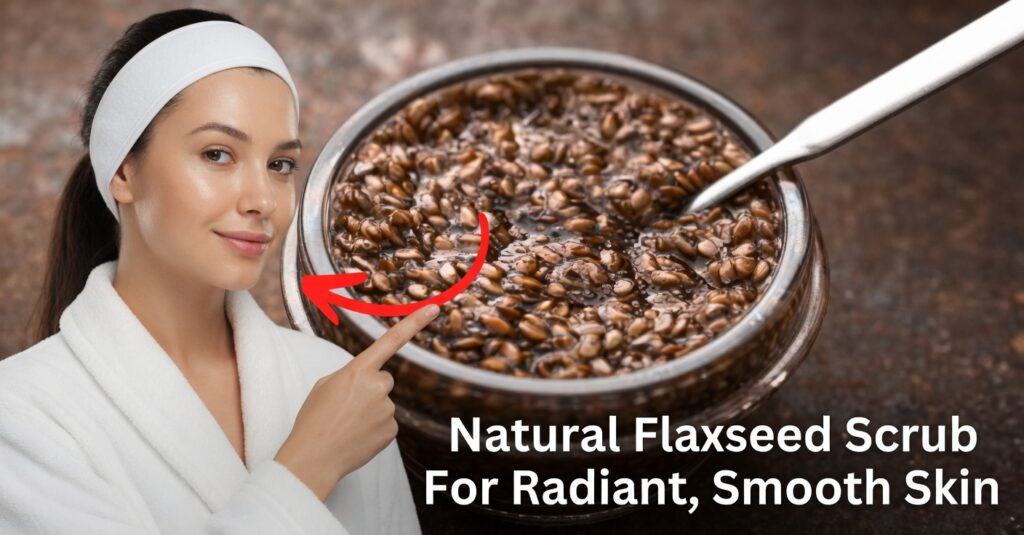
Flaxseed Face Mask: A Simple Natural Treatment for Glowing Skin
Flaxseed is not only a highly nutritious food; it is also a powerful ally for natural skincare. Packed with mucilage, antioxidants, and essential fatty acids, this tiny seed has become a favorite ingredient in homemade beauty treatments. When applied topically, flaxseed helps deeply hydrate the skin, improve elasticity, and soften imperfections such as dark spots and fine lines.
In this guide, you’ll learn how to make a homemade flaxseed face mask, its main benefits, how to use it correctly, and what precautions to take to care for your skin in a safe, natural way.
What Is Flaxseed and Why Is It Good for Your Skin?
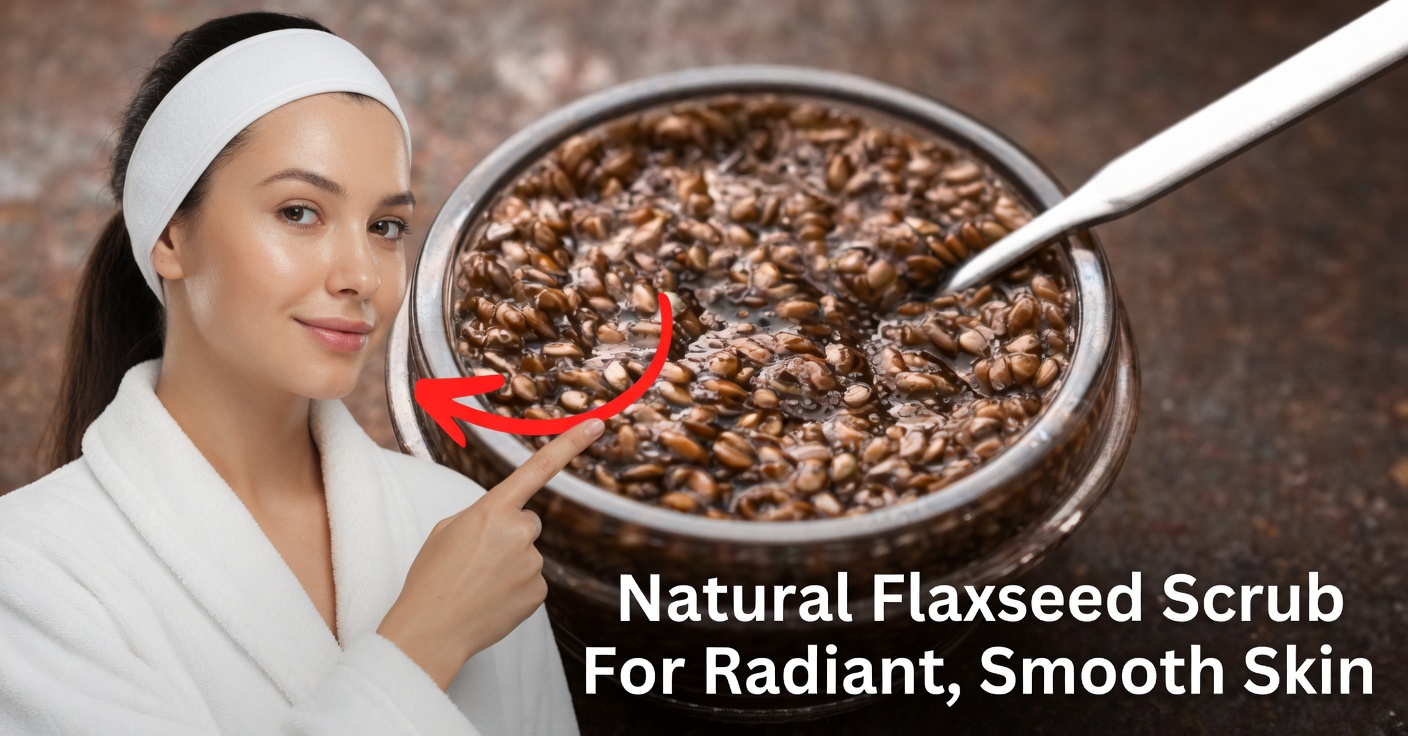
Flaxseed, also called linseed, is a natural source of omega‑3 fatty acids, fiber, antioxidants, and mucilage. When mixed with hot water, it releases a thick, gel-like substance that works as a natural moisturizer, softener, and skin-renewing agent. This gel has a pleasant texture that makes it an excellent base for facial masks, helping nutrients reach the outer layers of the skin and improving its overall appearance.
A flaxseed face mask is suitable for all skin types—dry, oily, combination, and mature skin. Thanks to its lifting and nourishing effect, it can help:
- Smooth the look of fine expression lines
- Provide a firmer, more toned appearance
- Enhance the overall complexion of the face
DIY Flaxseed Face Mask Recipe
Ingredients
- 2 tablespoons ground flaxseed
- 1 teaspoon extra virgin olive oil
- ½ teaspoon ginger powder
- ½ teaspoon moringa powder
- 1 cup hot water (about 250 ml)
How to Prepare It
- Add the 2 tablespoons of ground flaxseed to the cup of hot water.
- Let the mixture sit for about 15 minutes, until a thick gel forms.
- Strain the mixture to separate the gel from the solid particles.
- Add the olive oil, ginger powder, and moringa powder to the gel.
- Stir thoroughly until you get a smooth, even paste.
How to Apply the Flaxseed Face Mask
- Cleanse your face with lukewarm water and a gentle cleanser.
- Using your fingertips, apply the mask to your face with light, circular motions, avoiding the eye area.
- Leave it on for 15–20 minutes so the active ingredients can work on the skin.
- Rinse off with lukewarm water and pat your face dry with a clean towel.
How Often Should You Use It?
For best results, apply this flaxseed mask about three times per week, preferably in the evening, when your skin is more receptive to treatments. You can store any leftover mask in a tightly sealed glass jar in the refrigerator for up to 5 days.
Expected Results: What You May Notice Over Time
- First week: Your skin may feel more hydrated, soft, and comfortable.
- Second to third week: Fine expression lines may appear less noticeable and the skin can look smoother.
- Fourth week: The overall tone of the skin may look more even, with a gradual reduction in the appearance of mild dark spots.
Consistency is essential. Combine this mask with daily moisturizing and sunscreen during the day to maximize and maintain its benefits.
Key Benefits of a Flaxseed Face Mask
- Deep hydration: The flaxseed gel helps lock moisture into the skin.
- Softens wrinkles: Its natural tightening effect can reduce the appearance of fine lines.
- Helps fade spots: Especially useful for sun-related discoloration.
- Supports skin renewal: Encourages a smoother, more refined texture.
- Antioxidant protection: Fights free radicals that contribute to premature aging.
- Soothes irritation: Gentle enough for sensitive or redness-prone skin.
- Anti-inflammatory action: Ginger adds properties that help calm inflammation.
- Improves elasticity: Extra virgin olive oil nourishes and supports supple skin.
- Brightens the complexion: Leaves the face looking fresher and more radiant.
- Purifies the pores: Helps draw out impurities and excess oil.
- Balances oily skin: Hydrates without leaving a heavy, greasy feel.
- Helps prevent new lines: Omega‑3 fatty acids support the skin’s structure.
- Strengthens the skin barrier: Protects against environmental stressors.
- Suitable for all skin types: From very dry to very oily skin.
- 100% natural: Free from synthetic chemicals, dyes, and preservatives.
Properties of Each Ingredient
-
Flaxseed (linseed):
Rich in mucilage, omega‑3 fatty acids, antioxidants, and lignans. It helps maintain hydration, supports the skin’s natural repair processes, and promotes a smoother surface. -
Extra virgin olive oil:
Contains vitamin E, healthy fats, and polyphenols. Ideal for dry or damaged skin, it helps soften, nourish, and protect. -
Ginger powder:
Known for boosting microcirculation and reducing inflammation. It can help give the face a more toned and revitalized appearance. -
Moringa powder:
Provides over 90 nutrients, including vitamins A and C. It is valued for its rejuvenating, detoxifying, and regenerative effects on the skin.
Precautions and Safety Tips
- Perform a patch test on a small area of your forearm before applying the mask to your face.
- Do not use the mask on open wounds, burns, or already irritated areas.
- Discard the mixture if it develops an unusual smell or changes color.
- If you are pregnant or breastfeeding, speak with a healthcare professional before using products containing ginger or moringa.
- Avoid direct contact with the eyes; rinse immediately with plenty of water if this occurs.
Conclusion
A flaxseed face mask is a simple, affordable, and natural way to care for your skin at home. Thanks to its nutrient-rich composition, it provides hydration, firmness, and gentle renewal without relying on harsh or expensive cosmetic products. When combined with ingredients such as ginger, moringa, and extra virgin olive oil, it becomes a complete treatment to help restore vitality and a youthful glow to your complexion.
Incorporating this mask into your weekly skincare routine can make a noticeable difference in how your skin looks and feels. Give natural skincare a chance and let flaxseed transform your skin from the very first uses.
Other Natural Skincare Ideas You May Like
- Vaseline and Coffee: Natural exfoliant for softer, smoother skin
- Hydrogen Peroxide for Spots and Wrinkles: How some people use it on the skin (always follow professional advice and use with caution)