Natural Remedies to Strengthen Your Immune System
Your immune system is your body’s front-line defense against viruses, bacteria, and other harmful pathogens. Keeping it strong is essential for preventing illness and enjoying better overall health. The good news is that there are many natural remedies that can support your immune defenses safely and effectively.
In this guide, you’ll find some of the most effective natural ways to boost your immune system.
1. Herbal Infusions to Support Immune Defenses
Herbal teas and infusions have been used for centuries to help the body fight off disease and maintain vitality. Some of the most powerful immune-supporting infusions include:
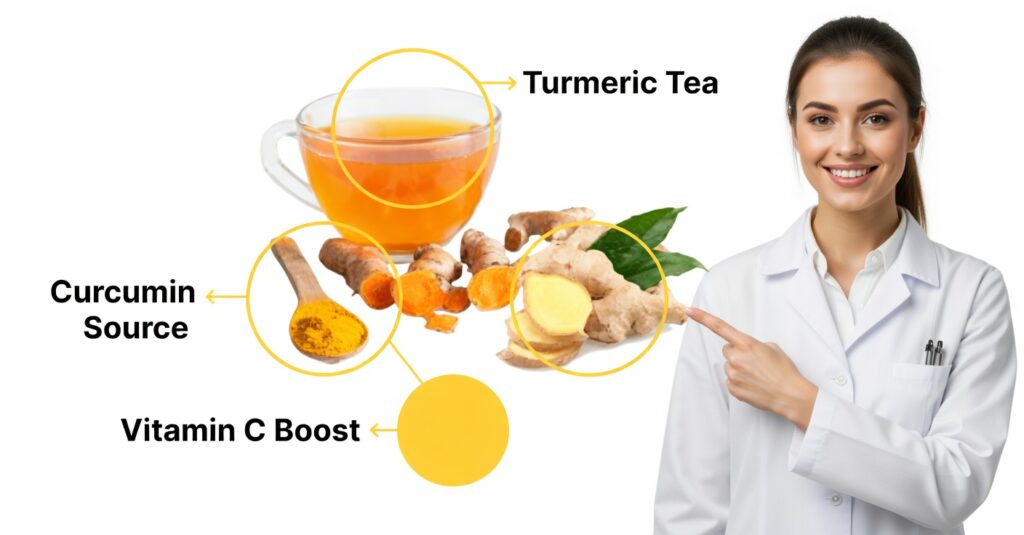
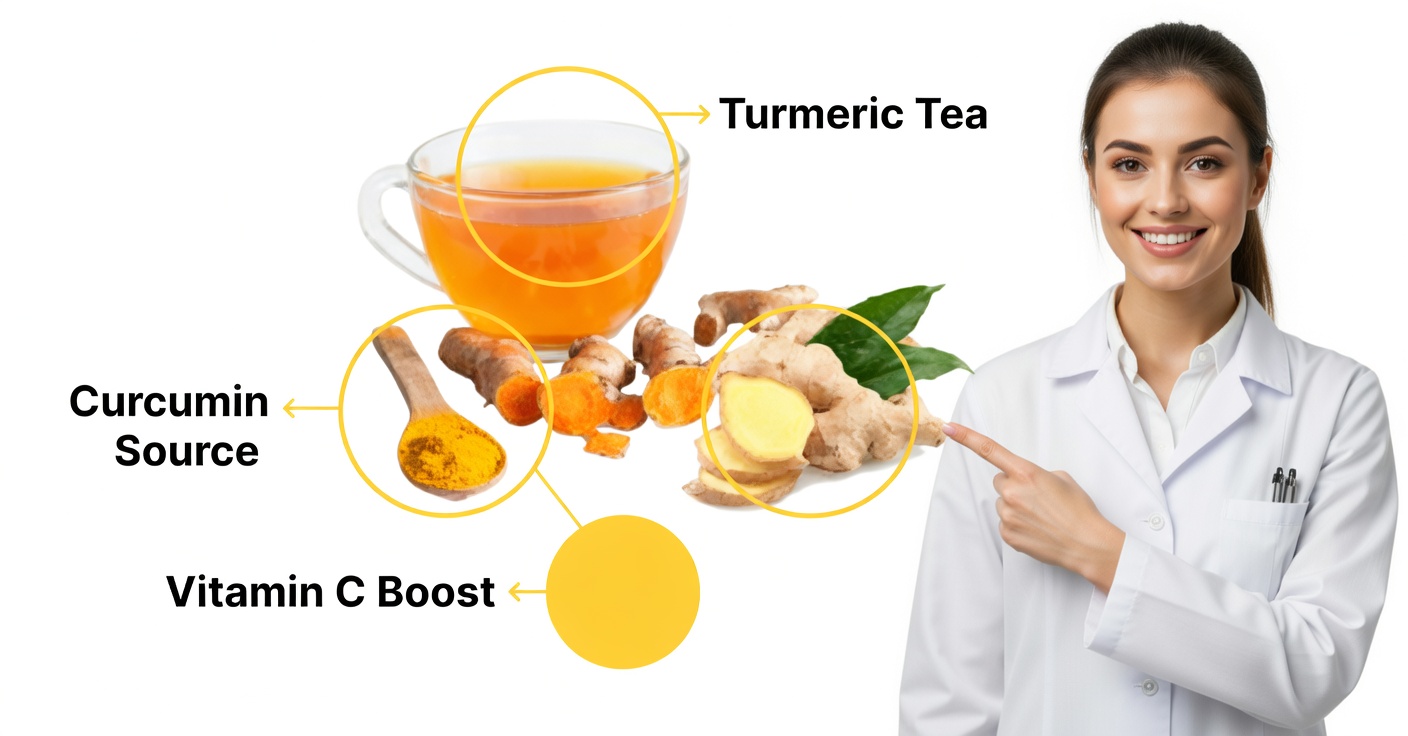
Ginger and Turmeric Tea
Natural remedies for the immune system such as ginger and turmeric tea are excellent for daily immune support. Both are rich in anti-inflammatory and antioxidant compounds that help protect cells and improve immune response.
How to prepare it:
- Bring 1 cup of water to a boil.
- Add one slice of fresh ginger and ½ teaspoon of ground turmeric.
- Let steep for about 5 minutes, strain, and sweeten with honey if desired.
Echinacea Infusion
Echinacea is well known for stimulating the production of white blood cells, which are essential for fighting off infections.
How to use it:
- Boil 1 cup of water.
- Add 1 teaspoon of dried echinacea.
- Let steep for around 10 minutes, strain, and drink once a day to support your immune defenses.
Thyme and Lemon Tea
Thyme provides natural antibacterial properties, while lemon is an excellent source of vitamin C—both ideal for protecting the respiratory tract and enhancing immune function.
How to prepare it:
- Boil 1 cup of water.
- Add 1 teaspoon of dried thyme and the juice of half a lemon.
- Steep for about 5 minutes and drink it warm.
2. Foods Rich in Vitamin C and Zinc
When it comes to natural remedies for a strong immune system, diet plays a central role. Two key nutrients are vitamin C and zinc, both vital for immune health.
Citrus Fruits
Oranges, lemons, grapefruits, and kiwis are packed with vitamin C, which supports the production and function of white blood cells and enhances resistance to infections.
Seeds and Nuts
Pumpkin seeds, almonds, and walnuts are rich in zinc, an essential mineral for the development and regulation of immune cells. Including these foods regularly in your meals may help reduce the frequency and duration of colds and other common illnesses.
Leafy Green Vegetables
Spinach, Swiss chard, and broccoli are loaded with antioxidants, vitamins, and minerals that protect immune cells and support overall health. For maximum nutrient retention, enjoy them raw in salads or lightly steamed.
3. Propolis and Honey: Natural Antibacterial Allies
Propolis is a resin-like substance produced by bees, valued for its antimicrobial and antiviral properties. It is often taken as liquid drops, diluted in water, or added to herbal teas to help prevent and fight infections.
Honey not only soothes a sore or irritated throat but also provides antioxidants and enzymes that support the immune system. A simple way to take advantage of its benefits is to consume 1 teaspoon of raw honey on an empty stomach or add it to your warm infusions.
4. Essential Oils for Immune Support
Some essential oils are considered powerful natural remedies for the immune system due to their antimicrobial and immune-stimulating effects. Commonly used oils include:
Oregano Essential Oil
Oregano oil is regarded as one of the most potent natural agents against certain bacteria and viruses. It is often taken in capsule form, or you can dilute a single drop in a glass of water (following product instructions) to support immune function. Always use food-grade essential oils and follow dosing guidelines carefully.
Eucalyptus Essential Oil
Eucalyptus oil is widely used to relieve nasal congestion and protect the respiratory system. You can:
- Use it in a diffuser or humidifier.
- Inhale the vapor from a bowl of hot water with a few drops of oil (keeping a safe distance).
This may help keep the airways clear and reduce the risk of respiratory infections.
Tea Tree Essential Oil
Tea tree oil has notable antimicrobial and antiviral properties. When diluted in a carrier oil (such as coconut or almond oil), it can be gently massaged onto the chest to help ease cold symptoms and support respiratory health.
5. Healthy Habits That Boost the Immune System
Alongside natural remedies, everyday lifestyle habits are crucial for building a strong immune system.
Prioritize Quality Sleep
Sleep is essential for cellular repair and optimal immune function. Aim for 7–8 hours of uninterrupted sleep per night to allow your body to recover and maintain a balanced immune response.
Exercise Regularly
Moderate physical activity enhances circulation, which helps immune cells move efficiently throughout the body. Activities like brisk walking, cycling, or yoga several times a week can significantly benefit your immune system.
Manage Stress
Chronic stress can weaken immune defenses and make you more vulnerable to infections. Relaxation practices such as meditation, deep breathing, and yoga can lower stress levels and support overall immunity.
Stay Well Hydrated
Adequate hydration helps your body flush out toxins and keeps all systems, including the immune system, functioning properly. Drink water throughout the day and adjust intake based on activity level and climate.
6. Natural Supplements to Strengthen Immunity
While a balanced diet is the foundation of a strong immune system, certain natural supplements can provide additional support when needed.
Vitamin D
Vitamin D plays a crucial role in regulating immune responses. It can be synthesized through moderate sun exposure or taken as a supplement when levels are low. Having your levels checked by a healthcare professional can help determine if supplementation is necessary.
Probiotics
A large part of your immune system is located in the gut. Probiotics help maintain a healthy balance of gut bacteria, which in turn supports immune function. You can obtain probiotics from fermented foods such as yogurt, kefir, sauerkraut, kimchi, or from high-quality supplements.
Elderberry Extract
Elderberry is traditionally used for its antiviral properties and is especially popular for supporting the body during cold and flu season. It is available in syrups, capsules, and lozenges.
7. Frequently Asked Questions (FAQ)
How long does it take to strengthen the immune system?
The timeframe varies from person to person. With a nutritious diet, regular exercise, good sleep, and consistent use of natural remedies, many people notice improvements in energy and resistance to illness within a few weeks.
Can I combine several natural remedies at the same time?
Yes, many natural remedies can be combined safely, such as herbal teas, vitamin-rich foods, and probiotics. However, it is important not to exceed recommended doses, especially with concentrated supplements and essential oils. When in doubt, consult a healthcare professional.
Are these remedies suitable for children?
Some are appropriate for children, such as mild herbal infusions and honey for those over one year of age. However, children have specific needs and sensitivities, so it is best to talk with a pediatrician before giving them herbal remedies, essential oils, or supplements.
How can I tell if my immune system is weak?
Common signs of a weakened immune system may include:
- Frequent colds or infections
- Persistent fatigue
- Slow wound healing
- Recurring digestive problems
If you notice these symptoms regularly, consider seeking medical advice for a proper evaluation.
Conclusion
Strengthening your immune system naturally is absolutely possible by combining a wholesome diet with herbal infusions, natural supplements, and healthy lifestyle habits. Making these immune-boosting practices part of your daily routine can help prevent illness and enhance your overall well-being.
If you want to learn more about natural health and immune-supporting remedies, explore additional resources and keep discovering simple ways to care for your body naturally.