Corn Silk Benefits: Properties, Uses, and Natural Remedies
Corn silk, those delicate golden threads that surround and extend from the corn cob, is often thrown away without a second thought. Yet this humble plant part has been valued for centuries in Indigenous and Eastern traditions as a powerful natural remedy. Rich in antioxidants, flavonoids, tannins, vitamins, and minerals, corn silk can be a valuable ally for supporting overall health and wellbeing.
In this guide, you’ll discover the main benefits of corn silk, how to prepare it as a tea, tincture, or relaxing bath, and which medicinal properties make it so special.
What Is Corn Silk?
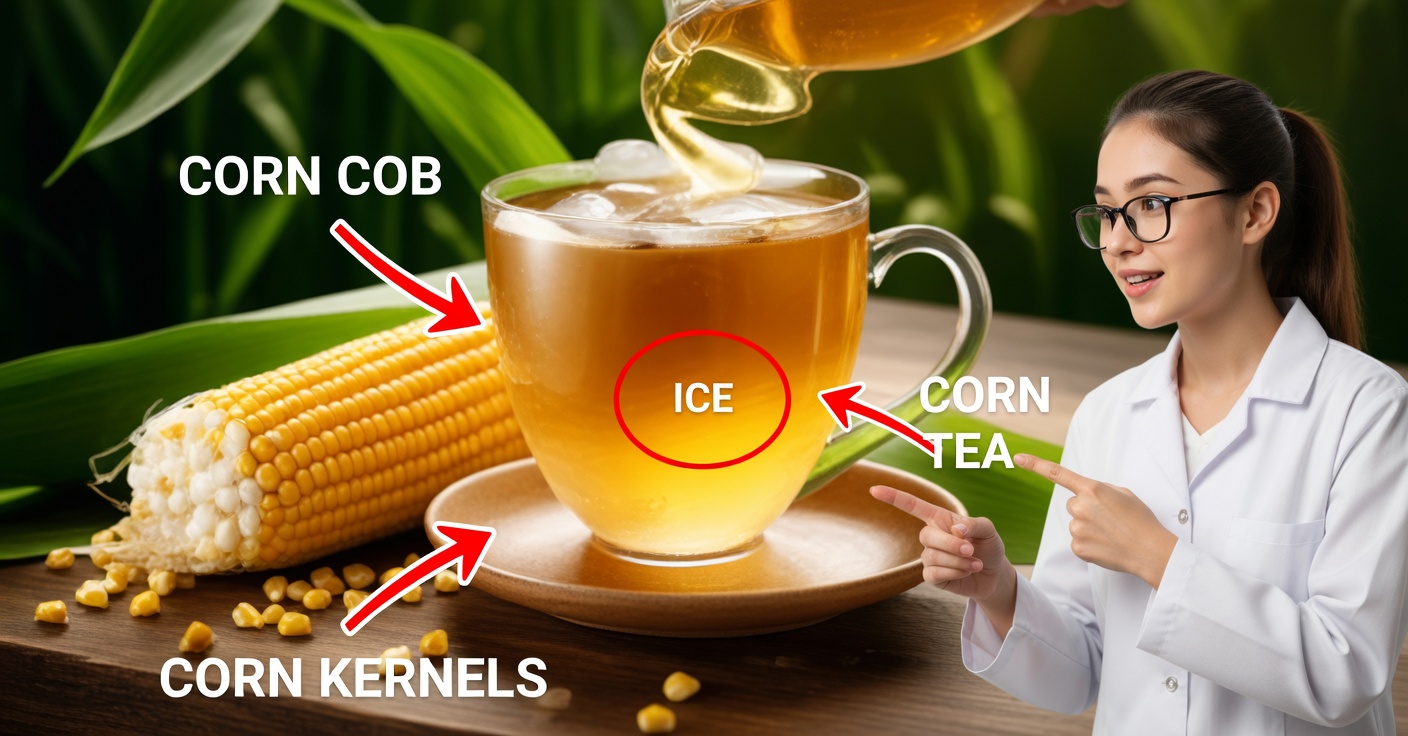
Corn silk refers to the fine, shiny strands that grow between the kernels of corn and protrude from the tip of the cob. Although it looks insignificant, corn silk contains a wide range of bioactive compounds with potential anti-inflammatory, diuretic, and antioxidant effects.
These threads are naturally rich in:
- Flavonoids
- Alkaloids
- Vitamin K
- Vitamin C
- Minerals such as potassium and magnesium
- Mucilages (soothing, gel-like plant compounds)
Together, these components make corn silk a versatile traditional remedy used to support various organs and systems in the body.
25 Traditional Health Benefits of Corn Silk
Below are 25 commonly cited benefits from traditional use of corn silk:
- Natural diuretic: Helps promote urine production and reduce fluid retention, which can ease swelling and puffiness.
- Supports kidney health: Assists in flushing the kidneys and may help reduce the buildup of metabolic waste products.
- Helps prevent urinary tract infections (UTIs): Increases urination and may help wash bacteria out of the urinary tract.
- Reduces inflammation: Traditionally used to soothe joint and muscle discomfort.
- Supports healthy blood pressure: May aid in regulating blood pressure by helping the body eliminate excess sodium.
- Helps stabilize blood sugar: Often used as a complementary support for people with prediabetes or type 2 diabetes.
- Aids digestion: Can improve bowel movement regularity and relieve mild constipation.
- Helps lower cholesterol: By supporting circulation, it may contribute to heart and vascular health.
- Eases menstrual discomfort: Used to relieve cramps and symptoms associated with PMS.
- Boosts immune function: Its antioxidants help protect cells from oxidative stress.
- Supports liver detoxification: Stimulates bile flow, which is important for digestion and liver cleansing.
- Helps prevent kidney stones: May reduce the accumulation of certain minerals in the kidneys.
- Reduces burning during urination: Calms and relaxes the urinary tract.
- Supports prostate health: Traditionally used to improve urinary flow and comfort in men.
- Assists with weight management: By reducing fluid retention, it can support weight-loss efforts.
- Promotes clearer skin: Its anti-inflammatory and detox-supportive effects may help with acne and other skin irritations.
- Improves circulation: Encourages better blood flow and cellular oxygenation.
- Reduces chronic fatigue: By supporting overall metabolism and detoxification, it may help increase energy levels.
- Supports hormonal balance: Particularly valued for women going through menopause.
- Helps with mild urinary incontinence: Strengthens and supports bladder function in traditional use.
- Reduces abdominal bloating and inflammation: Helpful for those who struggle with gas or digestive discomfort.
- Encourages regular urination: Keeps the kidneys active and supports urinary tract health.
- Supports metabolism: Contributes to better overall organ function and metabolic processes.
- Slows cellular aging: Antioxidants help protect cells from free-radical damage.
- Relaxes muscles: Ideal for use in baths to relieve tension and promote relaxation.
Note: These benefits come primarily from traditional herbal use and early research. They should not replace medical treatment prescribed by a healthcare professional.
How to Use Corn Silk: 3 Natural Recipes
1. Corn Silk Tea (Infusion)
Ingredients:
- 2 tablespoons dried corn silk
- 1 liter (about 4 cups) of water
- Honey or lemon (optional)
Preparation:
- Bring the water to a boil.
- Add the dried corn silk.
- Reduce the heat and simmer gently for about 10 minutes.
- Turn off the heat, cover, and let steep for another 10 minutes.
- Strain and discard the plant material.
- Sweeten with honey or add a splash of lemon if desired.
How to use:
Drink 1 cup, 2–3 times per day. This tea is traditionally used to support urinary tract health, reduce inflammation, and aid digestion.
2. Corn Silk Tincture
Ingredients:
- 1 cup fresh corn silk
- 1 cup alcohol (such as vodka or a clear grain spirit)
- Glass jar with a tight-fitting lid
Preparation:
- Place the fresh corn silk into the clean glass jar.
- Pour in the alcohol until the silk is completely covered.
- Seal the jar and store it in a cool, dark place.
- Let it macerate for 4–6 weeks, shaking the jar occasionally.
- After this period, strain the liquid and transfer it to a dark glass bottle.
How to use:
Take 10–15 drops diluted in a little water, once or twice daily. Traditionally used to support inflammatory conditions and help balance blood sugar levels.
3. Relaxing Corn Silk Bath
Ingredients:
- 1 cup corn silk (fresh or dried)
- 4 liters (about 1 gallon) of water
Preparation:
- Add the corn silk to the water and bring to a boil.
- Simmer for about 10 minutes.
- Strain and pour the infused liquid into your bathtub filled with warm water.
- Soak in the bath for about 20 minutes.
How to use:
This bath is used to relieve muscle tension, improve circulation, and promote deeper, more restful sleep.
Key Medicinal Properties of Corn Silk
Corn silk owes its effects to a set of active plant compounds, including:
- Flavonoids: Potent antioxidants that help protect cells against oxidative damage.
- Tannins and alkaloids: Contribute to its anti-inflammatory and astringent properties.
- Vitamin K: Supports normal blood clotting and bone health.
- Saponins: May stimulate immune function and support the body’s natural detoxification processes.
- Mucilages: Provide a soothing, protective effect on mucous membranes and can support healthy digestion.
These components work together, giving corn silk its reputation as a gentle yet effective traditional remedy.
Important Precautions
Even though corn silk is natural, it should be used thoughtfully and with medical guidance when needed:
- People with diabetes: Corn silk may influence blood glucose levels. If you have diabetes or take medication to control blood sugar, consult your doctor before using it regularly.
- Pregnant or breastfeeding women: Its use is not generally recommended during pregnancy or lactation without professional supervision.
- Drug interactions: Corn silk may enhance the effects of diuretics, anticoagulants (blood thinners), or blood pressure medications. Always speak with a healthcare provider if you are on prescription drugs.
If you experience any unusual symptoms, stop using corn silk and seek medical advice.
Conclusion
Corn silk is far more than an agricultural by-product. It is a traditional herbal remedy with notable diuretic, anti-inflammatory, and antioxidant properties that can support kidney function, urinary tract health, skin appearance, circulation, and more. You can easily incorporate it into your wellness routine as a tea, tincture, or soothing bath.
As with any natural remedy, use corn silk responsibly, and consult a qualified health professional—especially if you have existing medical conditions or are taking medication.
Related Natural Remedies
- Natural Remedy for Fatty Liver and Obesity: Safe and Effective Approaches
- Purple Dead Nettle: Health Benefits and Simple Herbal Recipes