Banana Blossom: Nutritious, Versatile, and Naturally Medicinal
Nature hides countless healing ingredients that we are only beginning to appreciate again. One of these is the banana blossom, also called banana flower or plantain flower. Often overlooked, this deep purple, tear-shaped bud is packed with powerful properties that may help with three very common issues: diabetes, high blood pressure, and digestive discomfort.
In this guide, you’ll learn why banana blossom is so valuable and how to turn it into a practical natural remedy in your everyday cooking.
What Is Banana Blossom?
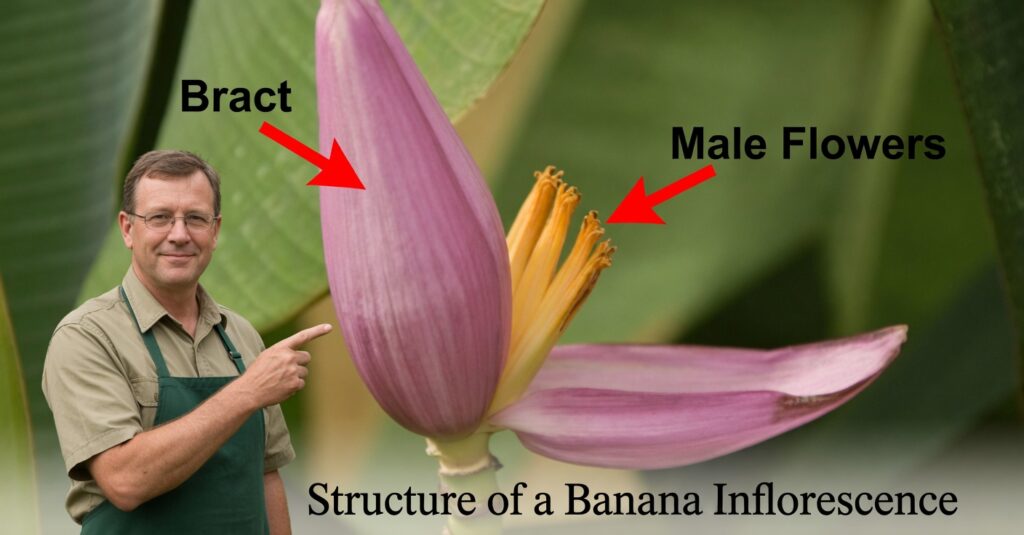
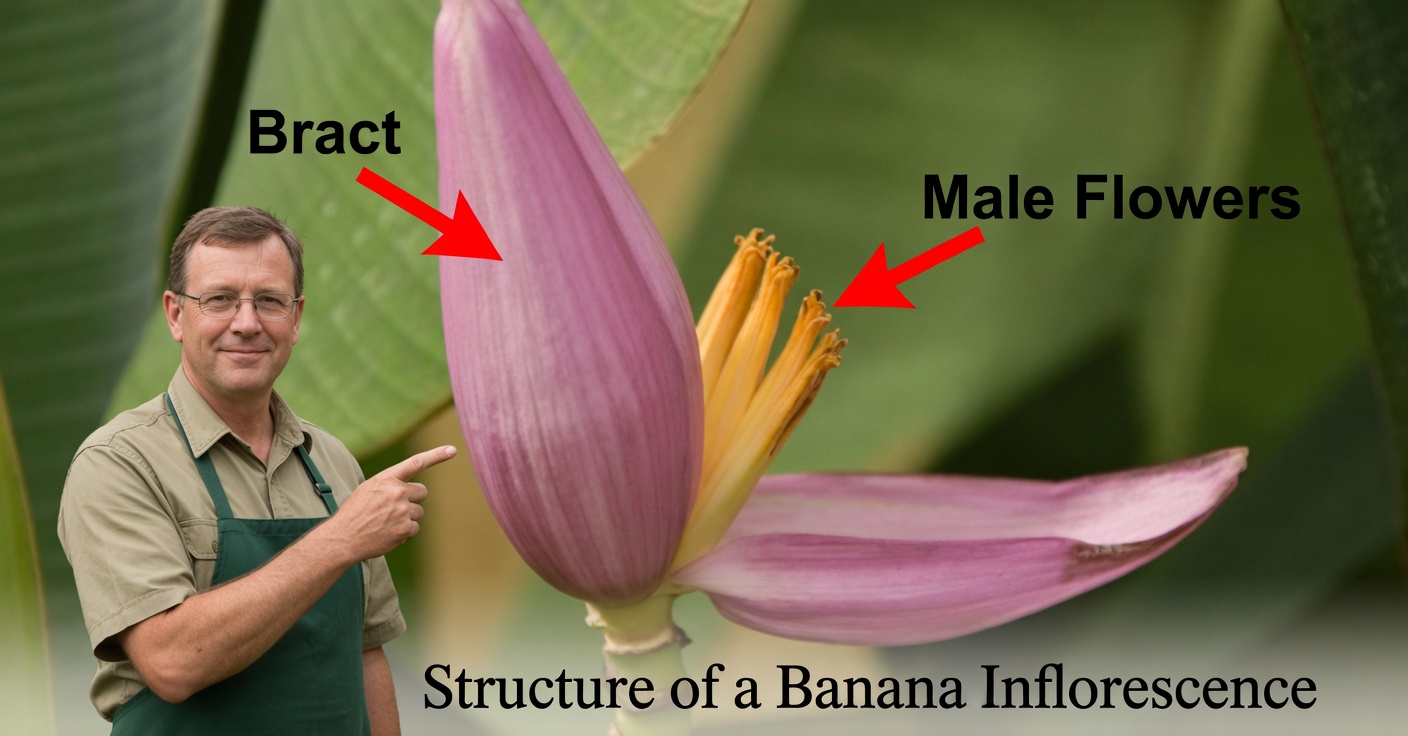
Banana blossom is the edible flower that grows at the end of a bunch of bananas. It has been used for centuries in traditional Asian cuisines and is now gaining global attention for its impressive nutritional and medicinal potential.
Beneath its rich purple outer bracts, the flower contains:
- Vitamins and essential minerals
- Antioxidants
- High levels of dietary fiber
- Anti-inflammatory compounds
Together, these support overall health and can play a helpful role in managing chronic conditions.
Key Health Benefits of Banana Blossom
1. Supports Healthy Blood Sugar Levels
One of the most remarkable benefits of banana blossom is its ability to assist in regulating blood glucose, making it particularly interesting for people with diabetes or insulin resistance. This effect is linked to:
- High fiber content: Fiber slows the absorption of sugar from the digestive tract into the bloodstream.
- Low glycemic impact: It has a low glycemic index, helping to prevent sharp spikes in blood sugar after meals.
- Rich in antioxidants: These compounds may improve insulin sensitivity and combat oxidative stress, a common issue in type 2 diabetes.
Animal studies and traditional use both suggest that banana blossom can be a valuable natural ally alongside conventional medical treatment for people who want to better manage their blood sugar. It should always complement, not replace, professional medical care.
2. Helps Lower Blood Pressure Naturally
If you struggle with high blood pressure (hypertension), banana blossom may also be beneficial. It contains key nutrients that support heart and vascular health:
- Potassium: Helps the body remove excess sodium and relax blood vessels, both important for healthy blood pressure.
- Magnesium and antioxidants: Support circulation, reduce inflammation, and protect blood vessel health.
- Low in fat and sodium: Fits easily into heart-friendly and blood pressure–conscious meal plans.
Including banana blossom regularly as part of a balanced diet, combined with gentle exercise and minimal ultra-processed foods, may support better blood pressure control.
3. Eases Digestive and Stomach Problems
For those dealing with gastritis, bloating, inflammation, or slow digestion, banana blossom can be soothing and supportive due to:
- Abundant fiber: Promotes regular bowel movements and helps prevent constipation.
- Anti-inflammatory effects: Can help calm irritation in the digestive tract.
- Mild astringent action: May help settle the stomach and reduce discomfort.
In traditional medicine, banana blossom has been used to help with mild diarrhea, stomach ulcers, and general abdominal pain.
How to Prepare Banana Blossom at Home
Preparing banana blossom is simple once you get the hang of it. Here’s how to clean and prep it properly:
-
Remove outer bracts
Peel off the tough, dark purple outer layers until you reach the lighter, more tender inner parts. -
Clean the inner flowers
Under each bract you’ll find rows of small florets. From each floret, remove:- The stiff, matchstick-like pistil
- The thin, papery inner sheath
-
Slice and soak
Cut the cleaned blossom into thin strips. Immediately soak the slices in water with lemon juice or vinegar. This helps prevent oxidation and keeps the blossom from turning dark.
Delicious Ways to Eat Banana Blossom
1. Fresh or Blanched Salad
Ideal for people managing diabetes or watching their weight.
- Lightly blanch the sliced blossom for a few minutes.
- Combine with shredded cabbage, carrot, fresh herbs (like mint or cilantro), and a light vinaigrette or citrus dressing.
2. In Stews and Soups
Banana blossom adds a pleasant, fibrous texture and absorbs flavors beautifully. It pairs especially well with:
- Coconut milk
- Turmeric
- Ginger
- Tamarind
Use it in curries, broths, or hearty vegetable stews.
3. Vegan Patties or “Fish-Style” Cakes
Because of its texture, banana blossom is popular in plant-based cooking. You can:
- Mix finely chopped blossom with boiled potato, garlic, onion, and spices.
- Form into small patties or “cakes.”
- Pan-fry in a small amount of oil until golden on both sides.
These can be used as burger patties, served with salad, or enjoyed as a snack.
Other Traditional Uses of Banana Blossom
Beyond its culinary appeal, many cultures have used banana blossom traditionally for:
- Menstrual balance: Helping regulate the menstrual cycle and reducing heavy bleeding.
- Lactation support: Encouraging breast milk production in breastfeeding women.
- Mild infections: Thanks to its potential antimicrobial properties, it has been used to help with minor infections.
These uses are largely based on traditional knowledge and should be approached as complementary, not as a substitute for medical treatment.
Final Thoughts
Banana blossom is far more than an exotic ingredient. It is a nutrient-dense, versatile food that may support digestive health, help regulate blood pressure, and assist in stabilizing blood sugar levels.
If you’ve never tried it before, now is an excellent time to introduce banana blossom into your meals. It’s affordable, multifunctional in the kitchen, and packed with health-promoting compounds—a genuine gift from nature worth rediscovering.
Important Disclaimer
This article is for informational purposes only and does not replace professional medical advice, diagnosis, or treatment. If you experience severe or persistent symptoms, or if you have a medical condition such as diabetes or hypertension, consult a qualified healthcare provider before making significant changes to your diet or treatment plan.