
Garlic for Fungal Infections on the Scalp, Hands, Nails and Feet
Garlic, famous for its strong taste and smell, is far more than a kitchen staple. For centuries, many cultures have used it as a natural remedy thanks to its powerful medicinal properties. One of its most popular traditional uses is for treating fungal infections on areas such as the scalp, hands, nails and feet.
This guide explains how to use garlic for fungus with simple home recipes, daily routines and key precautions to improve results and protect your skin.
Antifungal Properties of Garlic
Garlic contains active compounds, especially allicin, a strong antimicrobial and antifungal substance. Allicin is released when garlic is crushed or finely chopped, and it plays a major role in fighting different kinds of fungi, including those that affect the skin, scalp, nails and feet.
In addition to its antifungal action, garlic also has:
- Anti-inflammatory properties – may help soothe irritated or inflamed skin
- Antioxidant effects – help protect skin cells from damage
- Antibacterial activity – can reduce the risk of secondary bacterial infections around fungal areas
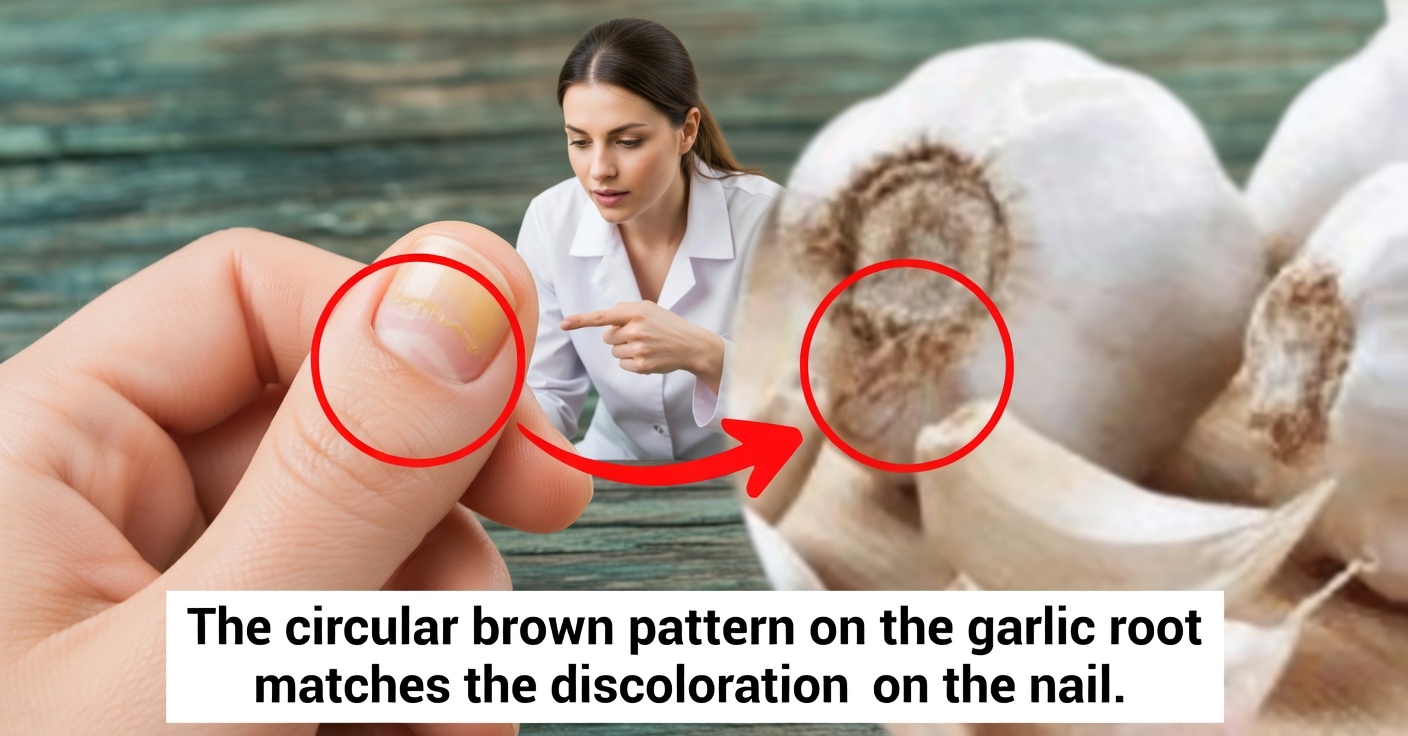
Home Remedies with Garlic for Different Types of Fungal Infections
1. Fungal Infections on the Scalp
Ingredients:
- 5 cloves of garlic
- 2 tablespoons olive oil
- 1 tablespoon coconut oil
Preparation and use:
- Crush the garlic cloves into a smooth paste.
- Warm the olive oil and coconut oil gently (do not overheat).
- Mix the oils with the garlic paste and let the mixture cool to a comfortable temperature.
- Apply the mixture directly to the scalp, focusing on affected areas.
- Massage gently and leave on for about 30 minutes.
- Wash your hair with a mild shampoo and rinse thoroughly.
Tip:
Use this treatment 2–3 times per week. Avoid contact with the eyes and broken skin.
2. Fungal Infections on the Hands
Ingredients:
- 4 cloves of garlic
- 1 cup of water
- 1 tablespoon apple cider vinegar
Preparation and use:
- Boil the garlic in the water for about 10 minutes.
- Strain the liquid and allow it to cool until lukewarm.
- Add the apple cider vinegar and mix well.
- Soak your hands in the solution for 15–20 minutes.
- Dry your hands thoroughly with a clean towel.
Tip:
Repeat daily. Keep your hands as dry as possible and avoid prolonged moisture, which can worsen fungal growth.
3. Garlic for Nail Fungus (Onychomycosis)
Ingredients:
- 3 cloves of garlic
- 1 tablespoon olive oil
- 1 tablespoon lemon juice
Preparation and use:
- Crush the garlic cloves and combine them with the olive oil and lemon juice.
- Apply the mixture directly onto the affected nails and surrounding skin.
- Cover the area with sterile gauze or a clean bandage.
- Leave it on for 1–2 hours.
- Wash off with mild soap and water, then dry the nails very well.
Tip:
Use this remedy every day. Keep nails trimmed, clean and dry to support the treatment.
4. Fungal Infections on the Feet (Athlete’s Foot and Others)
Ingredients:
- 5 cloves of garlic
- 1 liter of water
- 1 tablespoon sea salt
Preparation and use:
- Boil the garlic in the water for about 10 minutes.
- Add the sea salt and let the mixture cool to a warm, comfortable temperature.
- Soak your feet for 20–30 minutes.
- Dry the feet completely, especially between the toes.
Tip:
Do this at least 3 times a week. Wear cotton socks, change them daily and keep your feet dry to help prevent the fungus from spreading or returning.
Other Ways to Use Garlic Against Fungus
-
Direct application:
Rub a freshly cut clove of garlic gently over the affected area. Leave it on for a few minutes and rinse off if you feel irritation or burning. -
Garlic baths for hands and feet:
Crush garlic and mix it with warm water and a little salt. Soak the affected area to help reduce fungal growth. -
Garlic compresses:
Prepare a garlic infusion (garlic boiled in water, then strained), soak a clean cloth or gauze in the liquid and place it over the affected skin or nails.
General Recommendations and Precautions
-
Consistency:
The effectiveness of garlic for fungal infections depends on regular use. Fungal problems often take weeks to improve, so be patient and consistent. -
Hygiene:
Always wash and dry the affected area before and after treatment. Good hygiene reduces reinfection and helps any remedy work better. -
Patch test first:
Garlic can irritate sensitive skin and may cause burning or redness, especially if applied for too long or under occlusion. Test a small area first before using larger amounts. -
Seek medical advice when needed:
If the infection does not improve, spreads, or becomes more painful, consult a healthcare professional. Some fungal infections require prescription antifungal medication. -
Use fresh garlic:
For maximum activity, use fresh garlic cloves rather than old or processed garlic products.
Scientific Evidence
Several studies support the antifungal potential of garlic. Research published in journals such as Journal of Antimicrobial Chemotherapy and Mycoses has shown that allicin can inhibit the growth of fungi like Candida albicans and various dermatophytes, which are responsible for many skin and nail infections.
While these studies are promising, home remedies should be seen as complementary and not a replacement for professional medical treatment in severe or persistent cases.
Conclusion
Using garlic for fungus is a natural, low-cost option that may help manage mild fungal infections on the scalp, hands, nails and feet. Thanks to its antifungal, antibacterial and anti-inflammatory properties, garlic can support healthier skin and nails when combined with good hygiene and consistent use.
Keep in mind that each person’s skin reacts differently. Monitor how your skin responds to garlic, stop using it if you experience strong irritation, and talk to a healthcare provider if you have doubts or if the infection does not improve. When used correctly and safely, garlic can be a useful natural ally in the fight against fungal infections.