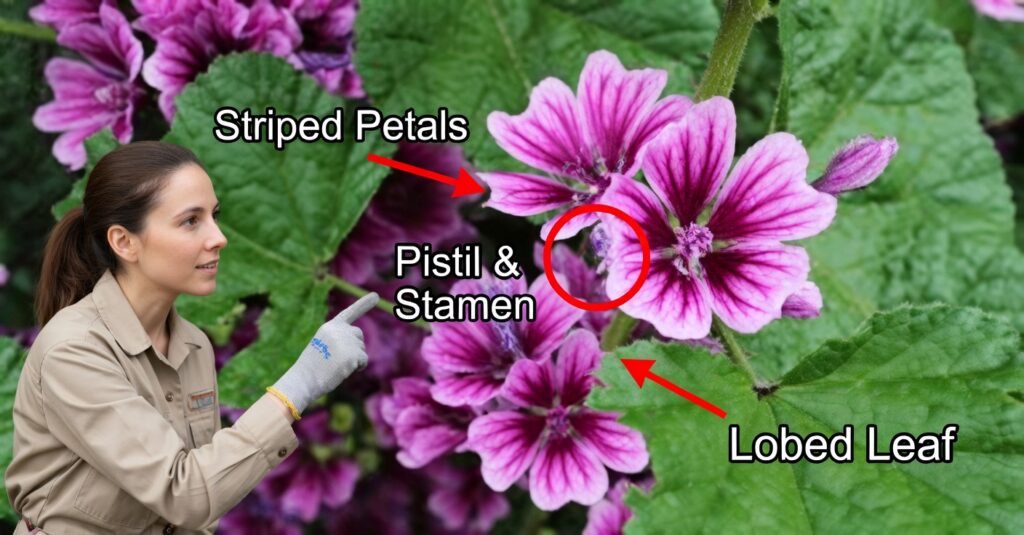
Mallow (Malva sylvestris): A Simple Plant with Powerful Benefits
Common mallow (Malva sylvestris) is a modest-looking wild plant with remarkable health benefits. Used since ancient times in traditional remedies, it has been valued for easing a wide range of internal and external discomforts. Thanks to its high content of mucilage, flavonoids, and antioxidants, mallow is considered a natural ally for overall well-being.
In this article, you’ll discover 20 key benefits of mallow and 4 simple ways to use it at home.
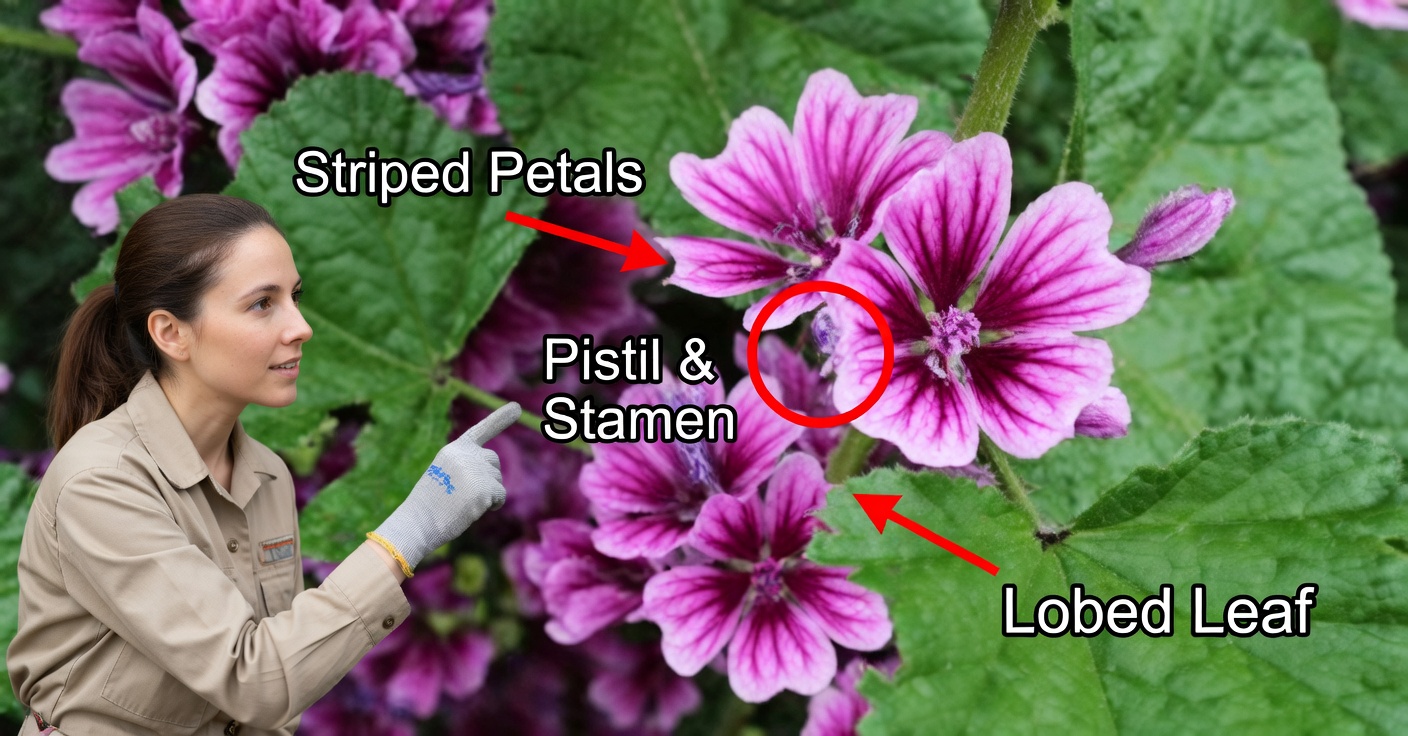
Common Names for Mallow
Depending on the region, Malva sylvestris may also be known as:
- Common mallow
- Wild mallow
- Hollyhock mallow
- Little buns (referring to the shape of the fruits)
- Cheeseweed or little cheeses
- Hojamorro (regional folk name)
These names reflect how widely known and appreciated this plant is in many rural areas, where it is easy to identify and collect.
20 Health Benefits of Mallow
Below are 20 traditional uses and potential benefits of mallow for health and wellness:
-
Relieves respiratory discomfort
Mallow has soothing properties that can help calm coughs, ease throat irritation, and support the respiratory tract during bronchial inflammation. -
Hydrates dry or sensitive skin
Its rich mucilage content forms a protective, moisturizing layer on the skin, helping to soften and shield delicate or dry areas. -
Eases digestive discomfort
Mallow tea is often used to gently relieve constipation and support the protection of the stomach lining. -
Supports wound healing
When applied externally, mallow preparations can help the skin regenerate and may promote faster recovery of minor skin damage. -
Helps reduce inflammation
Its calming properties can be useful for soothing minor inflammatory conditions, such as mild arthritis discomfort, bruises, or muscle soreness. -
Promotes oral health
Gargling with a warm mallow infusion can help ease mouth ulcers, irritated gums, and minor oral inflammation. -
Supports urinary tract health
Because of its mild diuretic effect, mallow can assist in flushing out fluids, helping the body eliminate toxins and bacteria that may affect the urinary system. -
Helps reduce stress and anxiety
A warm cup of mallow infusion in the evening can be relaxing, helping to calm the body and mind. -
Strengthens and conditions hair
Using mallow as a hair rinse can hydrate the scalp, reduce dryness, and add shine and softness to the hair. -
Helps with cold symptoms
Mallow is traditionally used to relieve fever, nasal congestion, and sore throat associated with colds. -
Supports the immune system
Its antioxidants contribute to the body’s natural defenses and may help protect against infections and oxidative stress. -
Soothes mild ear discomfort
Mallow-infused oil has been used externally around the ear area to ease minor earaches. (Never put oil directly into the ear canal without professional advice.) -
Helps prevent premature skin aging
The antioxidants in mallow help neutralize free radicals, which can damage skin cells and accelerate aging. -
Soothes irritated eyes
When used in compresses, mallow can help alleviate mild eye irritation, itching, or redness. -
Supports hemorrhoid relief
Sitz baths with mallow infusion can help reduce inflammation and alleviate pain and itching caused by hemorrhoids. -
Eases menstrual cramps
Its gentle relaxing effect may help reduce the intensity of menstrual cramps and abdominal discomfort. -
Helps reduce acne-related inflammation
Applied to the face, mallow preparations can calm inflamed skin and support a clearer, more balanced complexion. -
Reduces fluid retention
Thanks to its mild diuretic action, mallow can assist in decreasing water retention in the body. -
Calms mild allergic skin reactions
Topical use may help relieve itching, redness, or irritation from minor allergic reactions. -
Protects the stomach in case of ulcers
The mucilage in mallow can coat and protect the gastric mucosa, supporting the natural regeneration of irritated or damaged tissue.
How to Use Mallow at Home
Here are four practical ways to incorporate mallow into your home remedies.
1. Mallow Infusion for Cough
Ingredients:
- 1 tablespoon of dried mallow
- 250 ml (about 1 cup) of water
Directions:
- Bring the water to a boil.
- Add the dried mallow.
- Cover and let steep for about 10 minutes.
- Strain and drink while warm.
Tip:
Add a teaspoon of honey to enhance the soothing effect on the throat.
2. Mallow Poultice for the Skin
Ingredients:
- 2 tablespoons of fresh mallow leaves
- A small amount of warm water
Directions:
- Crush or mash the fresh leaves until they form a paste.
- Apply the paste directly to the affected skin area.
- Cover with a clean cloth or gauze.
- Leave on for about 20 minutes, then rinse gently if needed.
Tip:
Use this poultice up to twice a day on the irritated area.
3. Mallow Bath
Ingredients:
- 50 g of dried mallow
- 1 liter of water
Directions:
- Prepare a strong infusion by boiling the water and adding the dried mallow.
- Let it steep for 15–20 minutes, then strain.
- Pour the concentrated infusion into your bathwater.
- Soak in the bath for around 20 minutes.
Tip:
This type of bath is ideal for relaxation and for soothing sensitive or dry skin.
4. Mallow Oil
Ingredients:
- 100 ml of olive oil (or another high-quality vegetable oil)
- 10 g of dried mallow flowers
Directions:
- Place the dried flowers in a clean glass jar.
- Cover completely with the oil.
- Close the jar and let it macerate in a dark place for about 2 weeks, shaking gently every few days.
- Strain the oil and transfer it to a clean, dark bottle.
Tip:
Use this oil for gentle massages or as a natural moisturizer on dry or irritated skin.
Recommendations for Using Mallow Safely
-
Harvesting:
If you collect mallow yourself, avoid plants growing near roadsides, polluted areas, or places where pesticides or herbicides may have been used. -
Storage:
Keep dried flowers and leaves in an airtight container, stored in a cool, dry, and dark place to preserve their properties. -
Medical advice:
If you are pregnant, breastfeeding, have a chronic illness, or are taking medication, talk to a healthcare professional before using mallow internally.
Conclusion
Mallow (Malva sylvestris) is a versatile and gentle medicinal plant with a long history of traditional use. Whether in the form of infusions, baths, poultices, or oils, it offers numerous potential benefits for the respiratory system, skin, digestion, and overall comfort.
Incorporating mallow into your natural wellness routine is a simple way to support your health using a time-tested herbal ally.
Related Articles
- Health Benefits of Plantain (Plantago)
- Purple Dead-nettle: Benefits and Natural Recipes