
Watermelon Seed Tea: A Natural Remedy for Kidneys, Heart, and More
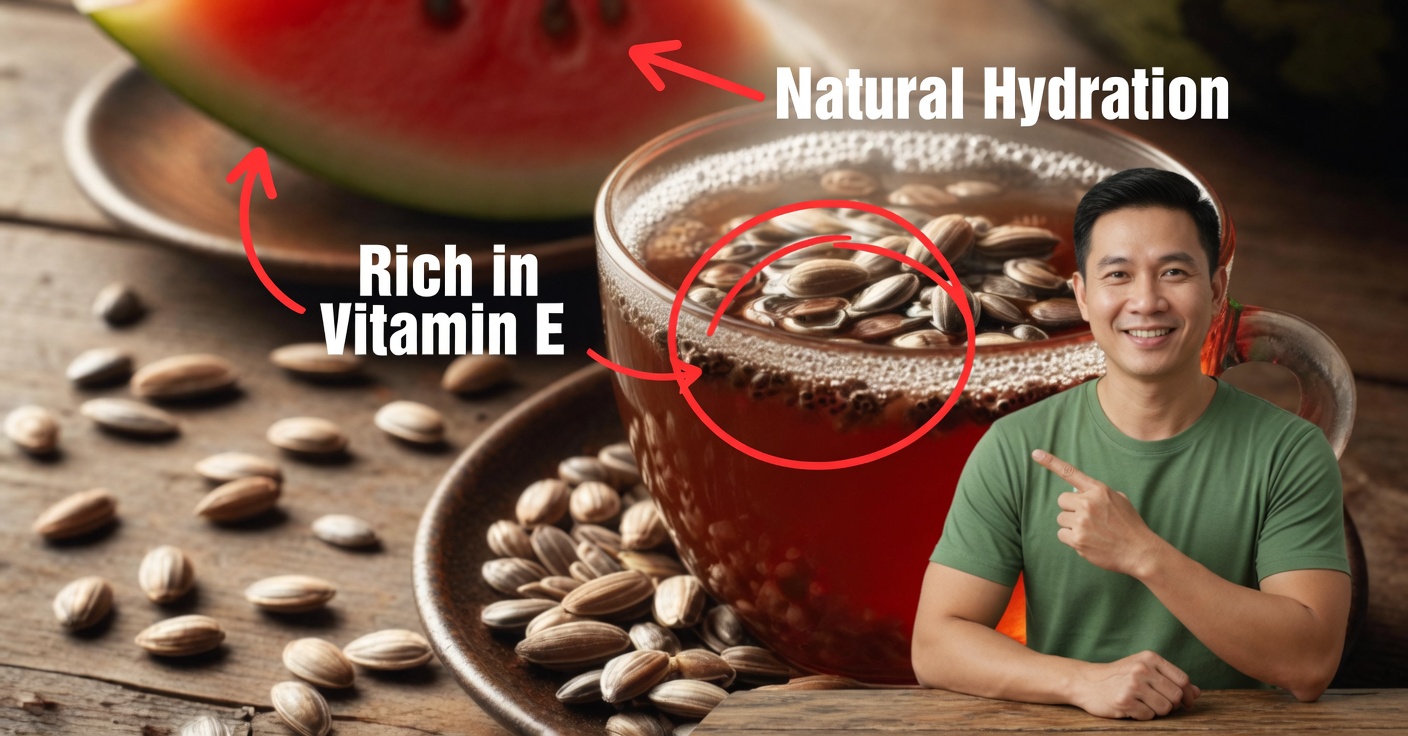
Watermelon seed tea is an increasingly popular natural remedy, appreciated for its wide range of health benefits—especially for the urinary and cardiovascular systems. Although watermelon seeds are often discarded, they are actually rich in essential nutrients such as magnesium, iron, antioxidants, and healthy fats that support overall body function.
In this guide, you will discover in detail the benefits of watermelon seed tea, how to prepare it correctly, its main properties, important precautions, and the most effective recipes to naturally boost your health.
Why Drink Watermelon Seed Tea?
Watermelon seeds contain antioxidant, anti-inflammatory, and diuretic compounds that can help:
- Support the body’s natural detox processes
- Protect vital organs such as the kidneys, liver, and heart
- Improve metabolism and overall vitality
Prepared as a tea, watermelon seeds work as a gentle, natural support for the urinary system, help the body eliminate excess fluids, and can be easily made at home with minimal ingredients.
Recipe 1: Kidney-Detox Watermelon Seed Tea
This infusion is especially recommended for those who want to support kidney function and promote gentle cleansing of the urinary system.
Ingredients
- 2 tablespoons dried watermelon seeds
- 1 liter of water
Directions
- Lightly crush the dried watermelon seeds with a mortar and pestle to release their nutrients.
- Bring the liter of water to a boil.
- Add the crushed seeds to the boiling water.
- Reduce the heat and simmer for about 10 minutes.
- Turn off the heat, cover, and let it steep for 15 minutes.
- Strain the tea before drinking.
How to Use
- Drink one cup on an empty stomach.
- Sip the rest of the tea in small portions throughout the day.
- Follow this routine for 7 consecutive days to notice visible results.
Main Benefits
- Helps flush out accumulated toxins from the kidneys
- May reduce the risk of kidney stone formation
- Promotes the elimination of retained fluids
- Helps regulate blood pressure and supports circulation
- Supports metabolism and aids digestion
- Contributes to more stable blood sugar levels
- Strengthens the immune system
- Helps soothe inflammation in the urinary tract
- Naturally hydrates and cleanses the urinary system
This tea is particularly useful for people dealing with fluid retention, high blood pressure, or a history of kidney stones.
Recipe 2: Heart-Support Watermelon Seed Tea
This version focuses on cardiovascular health and overall energy, while also promoting relaxation and better sleep.
Ingredients
- 1 tablespoon dried watermelon seeds
- 2 cups of water
- Honey (optional, to taste)
Directions
- Rinse the watermelon seeds well to remove any impurities.
- Bring the water to a boil.
- Add the seeds and reduce the heat.
- Simmer gently for about 15 minutes.
- Strain the infusion.
- Sweeten with a little honey if desired.
How to Use
- Drink one cup in the morning.
- Have a second cup in the evening.
- Continue for 5 consecutive days.
Cardiovascular Benefits
- Supports healthy blood circulation
- Helps reduce LDL (“bad”) cholesterol levels
- Contributes to the prevention of heart disease
- May lower triglycerides and help keep arteries cleaner
- Aids in blood pressure control
- Calms the nervous system and can improve sleep quality
- Hydrates cells and supports better oxygen delivery
- Supports metabolism and provides a gentle, natural energy boost
Beyond protecting your heart, this tea can also help improve mood and reduce stress levels.
Key Properties of Watermelon Seeds
Watermelon seeds are nutritionally dense and contain a variety of compounds that explain their health benefits:
- Antioxidants: Help protect cells from oxidative damage.
- Magnesium: Essential for proper muscle and nerve function, and supports heart health.
- Omega-3 and Omega-6 Fatty Acids: Promote cardiovascular and brain health.
- B-Complex Vitamins: Support energy production and a healthy nervous system.
- Essential Amino Acids: Assist in tissue repair and muscle maintenance.
- Fiber: Aids digestion and helps prevent constipation.
- Iron: Contributes to the prevention of anemia and supports oxygen transport in the blood.
- Diuretic Properties: Encourage the elimination of excess fluids and toxins.
Precautions and Safety Tips
Even though watermelon seed tea is a natural remedy, it should still be used responsibly. Keep in mind:
- Not recommended for people who are allergic to watermelon.
- Avoid excessive consumption—higher doses do not necessarily mean better results.
- Consult your doctor if you are pregnant or breastfeeding before using it regularly.
- It may interact with diuretic medications; talk to your healthcare provider if you take such drugs.
- Not advisable for children without medical supervision.
Using this tea in moderation and under proper guidance helps you gain its benefits while minimizing the risk of side effects.
Conclusion
Watermelon seed tea is a simple, affordable, and powerful natural option to support kidney and heart health. It is easy to prepare, uses inexpensive ingredients, and its positive effects can be noticeable within a few days for many people.
Whether you use it to gently detox your body, improve urinary function, or strengthen your cardiovascular system, watermelon seed tea can become a valuable ally in your daily wellness routine.
Follow the preparation and usage guidelines, and remember: no natural remedy can replace a balanced diet or professional medical care when needed. Use this tea as part of a healthy lifestyle, and enjoy its many benefits.
Related reading: Garlic and Lemon for Cholesterol and Other Benefits