Fatty Liver Symptoms and How to Reverse It Naturally
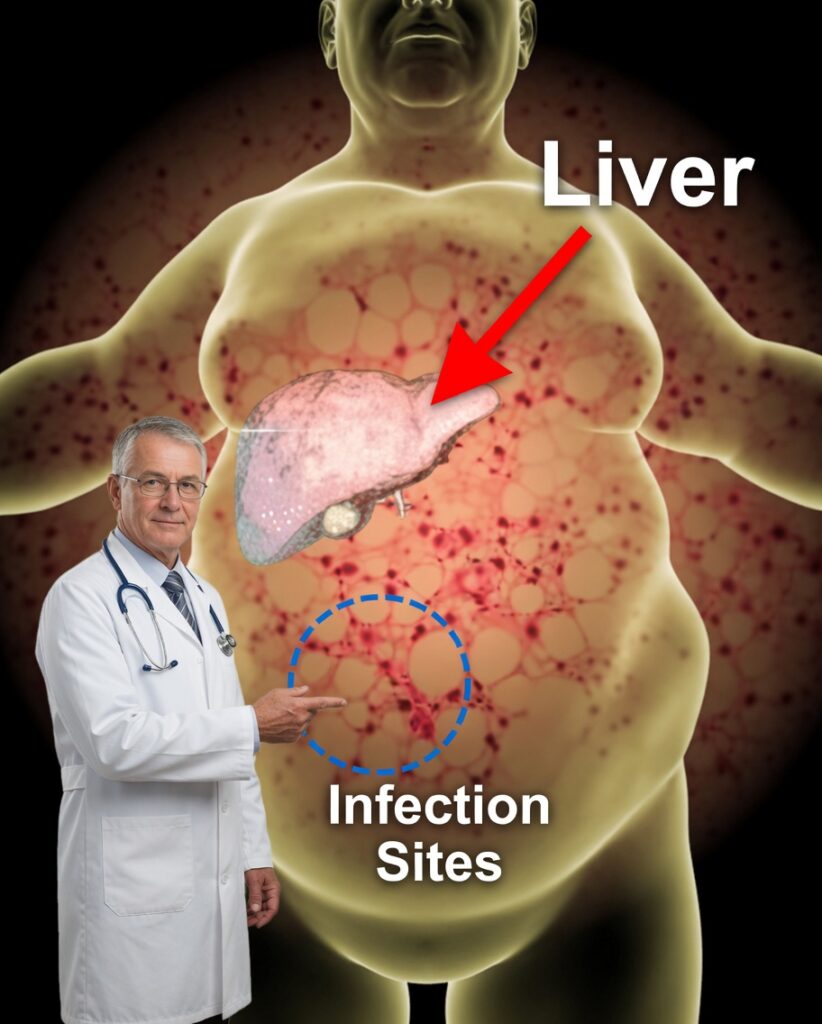
The liver is a vital organ with dozens of essential roles: it filters toxins, breaks down fats, regulates cholesterol levels, and stores key nutrients. When too much fat builds up inside liver cells, a condition called fatty liver, or hepatic steatosis, can develop.
Fatty liver often progresses silently for years. Over time, however, it can trigger inflammation, fibrosis (scarring), and may eventually lead to more serious liver diseases if left unaddressed. The encouraging news is that in many cases—especially early on—fatty liver can be improved or even reversed with natural lifestyle changes. Below you’ll find the main symptoms of fatty liver and practical steps you can take at home to support your liver health.
What Is Fatty Liver?
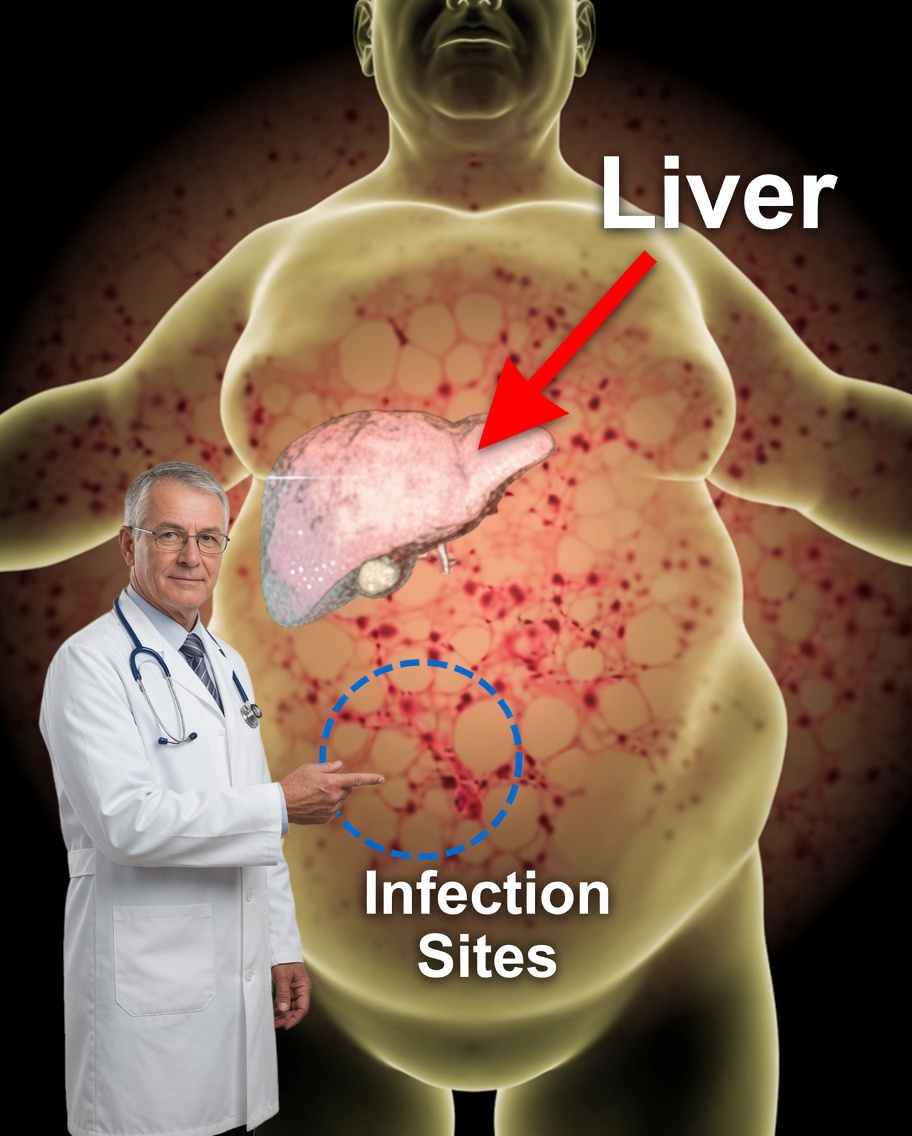
Fatty liver occurs when excess fat accumulates in liver cells. There are two main types:
- Non-alcoholic fatty liver disease (NAFLD): typically associated with being overweight, poor diet, and a sedentary lifestyle.
- Alcoholic fatty liver: caused by heavy or prolonged alcohol consumption.
This article focuses on non-alcoholic fatty liver disease (NAFLD), the most common form, which is often reversible through targeted lifestyle changes.
Key Symptoms of Fatty Liver
Many people with fatty liver have no obvious symptoms at first. As the liver starts to struggle, however, the body often sends warning signs that should not be ignored.
1. Persistent Fatigue
Feeling tired all the time, even after a full night’s sleep, can be linked to the extra workload placed on the liver as it tries to perform its normal functions while overloaded with fat.
2. Discomfort or Pain in the Upper Right Abdomen
A dull ache, pressure, or discomfort under the right rib cage can occur when an enlarged or inflamed liver pushes against surrounding organs and tissues.
3. Weight Gain, Especially Around the Belly
Fatty liver is frequently associated with insulin resistance and increased abdominal fat. This often makes weight loss more difficult, even when you are trying to follow a healthy diet.
4. Frequent Digestive Issues
Symptoms such as gas, bloating, constipation, or slow digestion can suggest that the liver is not processing fats efficiently, affecting overall digestive function.
5. Changes in the Skin
Dark patches on the neck, acne flare-ups, yellowish skin (jaundice), or persistent itching may indicate liver overload or impaired detoxification.
6. Changes in Urine and Stool
Very dark urine, pale or clay-colored stools, or greasy stools can be signs that the liver and bile system are not metabolizing waste and fats properly.
7. High Cholesterol or Triglycerides
Because the liver plays a central role in lipid regulation, elevated cholesterol or triglyceride levels can be a clue that excess fat is accumulating in the liver.
Natural Ways to Help Reverse Fatty Liver
The liver has an impressive capacity to heal and regenerate. By adopting consistent, healthy habits, you can reduce fat in the liver and support overall liver function.
1. Follow a Liver-Friendly, Cleansing Diet
- Avoid or greatly reduce: processed foods, fried foods, refined flours, sugary drinks, and sweets.
- Emphasize: leafy green vegetables, high-fiber fruits, legumes, whole grains, and lean protein sources (such as fish, poultry, tofu, or legumes).
- Include liver-supporting foods such as:
- Artichoke: stimulates bile flow, aiding fat digestion.
- Beetroot: supports detoxification and helps eliminate toxins.
- Garlic and onion: enhance natural detox pathways.
- Ginger and turmeric: provide powerful anti-inflammatory and antioxidant benefits.
2. Stay Well Hydrated
Water is essential for flushing out toxins and metabolic waste through the kidneys and urine. Along with plain water, you may also consider herbal teas traditionally used for liver support, such as dandelion, boldo, or milk thistle, as long as they are appropriate for you.
3. Exercise on a Regular Basis
Physical activity improves insulin sensitivity and helps burn stored fat throughout the body, including the liver. Aim for at least:
- 30 minutes of moderate movement most days, such as brisk walking, or
- Gentle exercises like yoga, Pilates, or swimming if you are just starting out.
Consistency matters more than intensity when it comes to supporting liver health.
4. Avoid Alcohol and Cut Back on Caffeine
- Alcohol: even moderate amounts can damage liver cells, especially if the liver is already stressed. Avoiding alcohol is fundamental for reversing fatty liver.
- Caffeine: limit excessive intake. If you drink coffee, do so in moderation and consider replacing some cups with herbal infusions that support digestion and liver function.
5. Manage Stress Effectively
Chronic stress raises cortisol levels, which can contribute to inflammation and metabolic imbalance, potentially worsening liver issues. Incorporate stress-reducing practices such as:
- Deep breathing exercises
- Meditation or mindfulness
- Gentle stretching, yoga, or walks in nature
- Relaxing hobbies (reading, music, art, gardening)
6. Consider Natural Supplements (With Professional Guidance)
Always consult a healthcare professional before starting any supplement, especially if you have existing medical conditions or take medications. Commonly used liver-supporting supplements include:
- Milk thistle (silymarin): may help protect liver cells and support regeneration.
- Turmeric (curcumin): has anti-inflammatory and antioxidant effects that can aid digestion and liver health.
- Dandelion: traditionally used as a natural detoxifier and mild diuretic.
- Omega-3 fatty acids: found in fish oil or algae oil, may help reduce liver fat and improve lipid profiles.
Final Thoughts
Recognizing fatty liver symptoms early is essential to prevent more serious complications. Even when signs are subtle—or absent—your body often communicates through fatigue, digestive troubles, skin changes, or unexplained weight gain.
In many cases, fatty liver can be improved or reversed without medication if you act promptly. By adopting a balanced, nutrient-rich diet, moving your body regularly, managing stress, and using natural approaches wisely, you give your liver the chance to recover and function optimally.
If you experience persistent symptoms or have concerns about your liver, seek medical advice and appropriate testing. Your long-term well-being depends on protecting the organs that quietly sustain you every day—and the liver is undoubtedly one of the most important.
You May Also Be Interested In
- Natural Remedy for Fatty Liver and Obesity: Safe and Effective Approaches
- Celery Juice to Help Detox Kidneys, Liver, and Lungs