Benefits of Eucalyptus: Properties, Uses, and How to Prepare It at Home
The benefits of eucalyptus have been valued for centuries in traditional and natural medicine. Native to Australia and widely used by Aboriginal communities as a remedy for many ailments, this aromatic plant is now a key ingredient in countless products for respiratory, muscular, and skin health. Below you’ll find a detailed guide to the medicinal uses of eucalyptus, how to use it correctly, and the precautions you should keep in mind.
What Makes Eucalyptus So Special?
The main active compound in eucalyptus is cineole (also known as eucalyptol), a powerful substance with expectorant, anti-inflammatory, antimicrobial, and mild pain-relieving properties. Eucalyptus leaves also contain tannins, flavonoids, and organic acids that enhance its therapeutic effects.
Thanks to this combination of compounds, the benefits of eucalyptus range from easing breathing and relieving coughs to soothing muscle pain and helping prevent infections.
Key Health Benefits of Eucalyptus
1. Natural Decongestant
Eucalyptus steam is a classic home remedy for clearing the respiratory tract. It helps loosen mucus, promotes its elimination, and can improve the feeling of airflow through the nose and chest.
How to use:
- Boil water with fresh or dried eucalyptus leaves and inhale the vapors for around 10 minutes.
- Especially useful for colds, sinusitis, rhinitis, and seasonal congestion.
2. Relief for Cough and Sore Throat
One of the most popular benefits of eucalyptus is its ability to calm coughs and soothe irritation in the throat.
Simple home recipe:
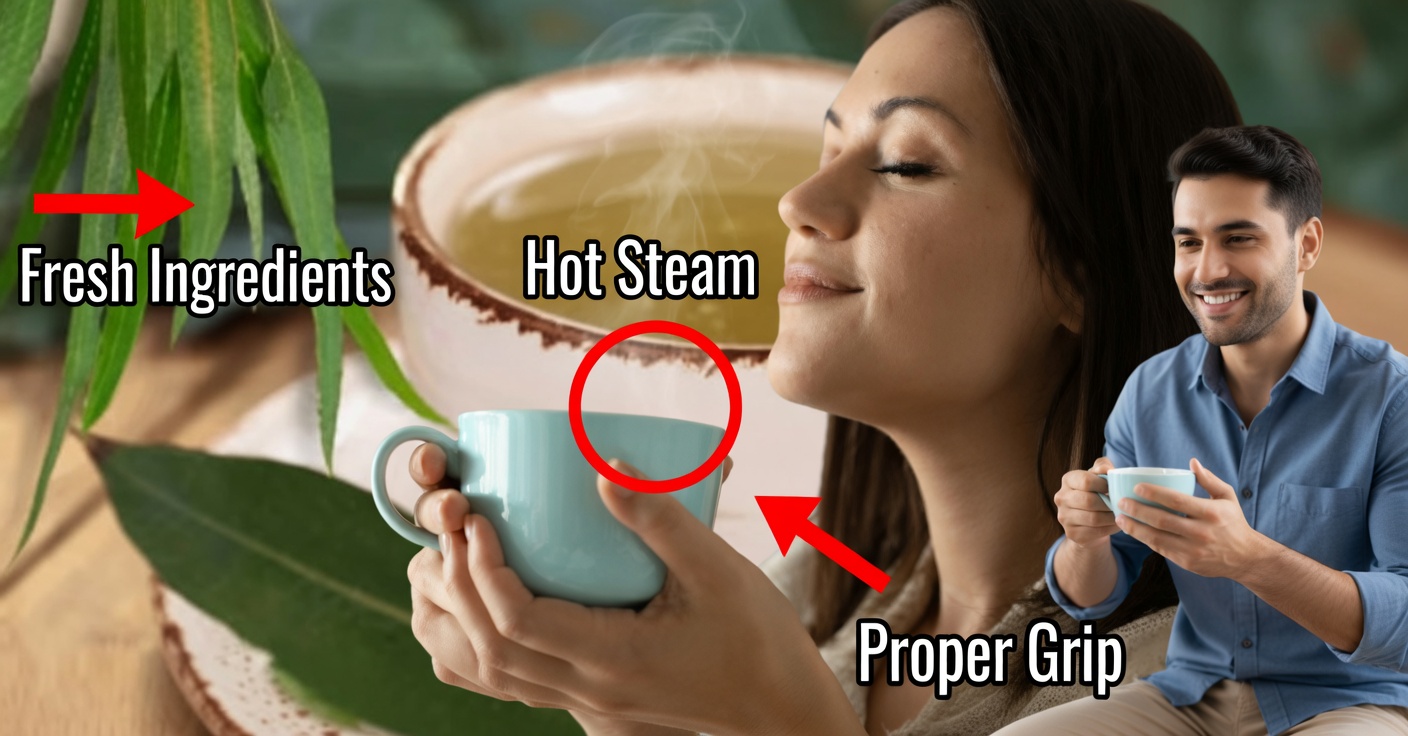
- Prepare a tea using 1 teaspoon of dried eucalyptus leaves in a cup of hot water.
- Add honey and lemon to enhance the soothing, antimicrobial, and comforting effect.
3. Support for Bronchitis and Asthma
Eucalyptus acts as a natural bronchodilator, which means it can help open the airways, ease breathing, and reduce inflammation in the bronchi.
Recommended use:
- Use eucalyptus in steam inhalations or in an essential oil diffuser (2–3 drops).
- Eucalyptus tea can be used in moderation, but people with asthma should always consult a healthcare professional before internal use.
Other Popular Home Uses of Eucalyptus
4. Relief for Muscle and Joint Pain
Eucalyptus essential oil has a warming, relaxing effect on muscles. When diluted and used in massage, it can help reduce discomfort in tense or sore areas.
How to prepare a massage blend:
- Mix 10 drops of eucalyptus essential oil with 2 tablespoons of a carrier oil (such as almond, coconut, or olive oil).
- Gently massage the mixture into the affected area until absorbed.
5. Antiseptic and Wound-Healing Support
Thanks to its antibacterial and antiseptic properties, eucalyptus can be used externally on minor skin issues, such as small cuts, insect bites, or mild acne.
How to apply:
- Rinse the area with a warm eucalyptus infusion, or
- Use natural creams or ointments that contain eucalyptus extract as an ingredient.
6. Fresh Breath and Oral Health
Eucalyptus helps fight bacteria that contribute to bad breath, gum inflammation (gingivitis), and mouth ulcers.
Homemade mouth rinse:
- Boil eucalyptus leaves in water, let the liquid cool, and use it as a gargle once or twice a day.
- Do not swallow the rinse; spit it out after gargling.
7. Fever Reduction
In traditional medicine, eucalyptus has been used to help lower fever by encouraging sweating and providing a cooling sensation.
Traditional use:
- Soak cloths or compresses in warm eucalyptus infusion and place them on the forehead or chest.
- Combine with rest and hydration for better overall support.
8. Immune System Support
The antioxidant and antimicrobial properties of eucalyptus may help strengthen the body’s defenses and support the prevention of infections when used as part of a healthy lifestyle.
How to Prepare Eucalyptus Safely
To enjoy the benefits of eucalyptus without unnecessary risks, follow these general guidelines:
-
Infusion (tea):
Use 1 teaspoon of dried eucalyptus leaves per cup of hot water. Do not exceed 2 cups per day, and avoid long-term continuous use without professional advice. -
Steam inhalations:
Add 5–10 leaves to a liter of hot water. Inhale the steam with your head covered by a towel, keeping a safe distance to avoid burns. -
Essential oil:
For external use only and always diluted in a carrier oil. Never apply eucalyptus essential oil undiluted directly to the skin.
Precautions and Contraindications
Although the benefits of eucalyptus are extensive, it must be used with care:
- Not recommended for children under 6 years old, either as steam inhalations or as infusions.
- Avoid during pregnancy and breastfeeding unless supervised by a healthcare professional.
- Never ingest eucalyptus essential oil; it can be toxic even in small amounts.
- People with asthma, epilepsy, or chronic respiratory conditions should use eucalyptus only under medical guidance.
Conclusion
Eucalyptus is a powerful ally in natural health care. From easing colds and respiratory discomfort to calming muscle pain and supporting skin and oral health, its versatility makes it a valuable addition to your home remedy kit. Use eucalyptus responsibly, choose high-quality and natural preparations, and consult a health professional if you have existing conditions or are taking medication. When used correctly, the benefits of eucalyptus can be a safe and effective complement to your wellness routine.