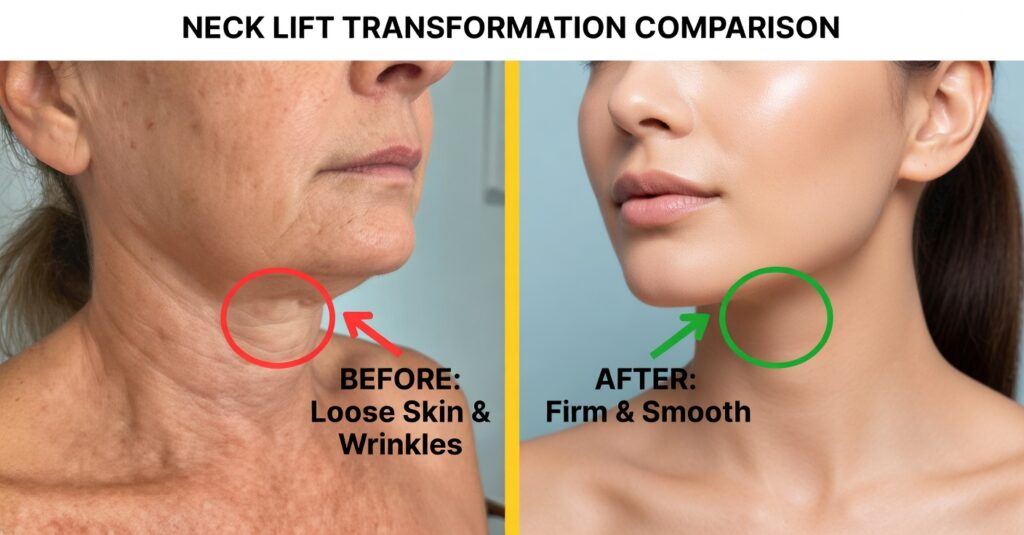
Carrot Oil to Rejuvenate Your Skin
As time passes, the skin naturally shows signs of aging: dark spots, fine lines, wrinkles, and loss of firmness. While growing older is inevitable, there are simple, natural home remedies that can help improve the look and feel of your skin. One of the most powerful options is carrot oil — a nutrient-rich extract loaded with antioxidants, beta-carotene, and vitamins that deeply nourish, repair, and protect the skin.
In this guide, you’ll learn how to make your own carrot oil at home, how to use it correctly, and the key benefits it can offer for more youthful, radiant skin.
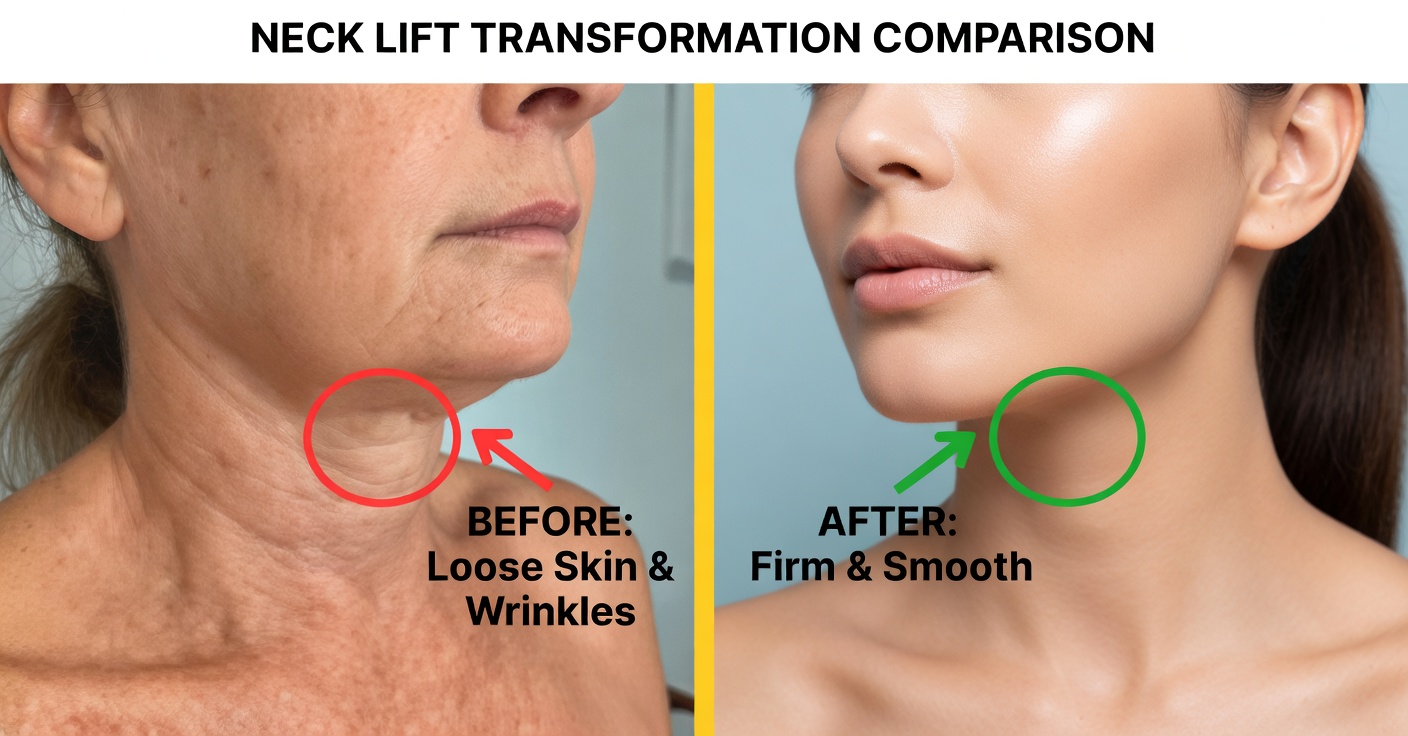
Why Carrot Oil Is So Beneficial for the Skin
Carrot oil is an excellent source of beta-carotene (provitamin A), which supports skin cell renewal and helps improve overall skin texture. It is also packed with antioxidants that neutralize free radicals, one of the main causes of premature aging.
With regular use, carrot oil may help:
- Fade the appearance of dark spots and scars
- Soften fine lines and expression wrinkles
- Improve skin elasticity and firmness
- Deliver deep hydration without a greasy feel
- Give the complexion a natural, healthy glow
Its regenerative action also helps strengthen the skin barrier and offers protection against external aggressors like pollution and UV radiation (though it does not replace sunscreen).
How to Make Homemade Carrot Oil
Ingredients
- 2 large carrots (organic if possible)
- 1 cup coconut oil or sweet almond oil
- 1 vitamin E capsule (optional, boosts antioxidant power)
- 5 drops lavender essential oil (optional, soothing and regenerating)
Step-by-Step Preparation
-
Prepare the carrots
Wash and peel the carrots thoroughly. Grate them finely so they can release more nutrients into the oil. -
Heat the carrier oil
In a small saucepan, gently warm the coconut oil or almond oil over very low heat. Do not let it boil. -
Infuse the carrots
Add the grated carrot to the warm oil. Cook on low heat for about 30 minutes, stirring occasionally so it doesn’t burn. -
Watch for the color change
When the oil turns a rich orange color, remove the saucepan from the heat and let it cool completely. -
Strain the mixture
Use a fine strainer or cheesecloth to separate the oil from the carrot pieces, pressing well to extract all the infused oil. -
Add extra actives (optional)
Pierce the vitamin E capsule and squeeze the contents into the oil. Add the lavender essential oil if using, and mix thoroughly. -
Store correctly
Transfer the oil to a dark glass bottle and keep it in a cool, dry place away from direct sunlight.
When stored properly, homemade carrot oil can last for up to one month.
How to Use Carrot Oil in Your Skincare Routine
1. Direct Application on the Skin
On clean, dry skin, place a few drops of carrot oil on your face, focusing on areas with spots, wrinkles, or sagging. Gently massage with circular motions until fully absorbed. You can use it morning or night, depending on your skin type and tolerance.
2. Nighttime Facial Massage
Before going to bed, use carrot oil as a facial massage oil. Spend a few minutes massaging your face and neck to stimulate circulation and enhance absorption of its nutrients while you sleep. This can help your skin look more rested and plump in the morning.
3. Hydrating Face Mask
Create a simple, moisturizing mask by mixing:
- 1 teaspoon of carrot oil
- 1 tablespoon of plain natural yogurt
Apply the mixture evenly to your face, avoiding the eye area. Leave it on for about 20 minutes, then rinse with lukewarm water and pat your skin dry with a soft towel.
Visible Benefits of Carrot Oil for the Skin
Consistent use of carrot oil can bring multiple noticeable improvements to your skin’s overall health and appearance:
- Deep and long-lasting hydration
- Visible reduction in spots and wrinkles over time
- Brighter, more even skin tone
- Added protection against environmental damage from sun and pollution
- Enhanced cell regeneration and skin barrier support
- Soothing effect on sensitive or irritated skin
You can also apply carrot oil to other areas prone to aging, such as the neck, décolletage, and hands.
Key Properties of the Ingredients
Carrot
Rich in beta-carotene, vitamins A and C, and antioxidants. It promotes cell renewal, helps defend against sun-related damage, and supports a healthier, more even complexion.
Coconut oil or sweet almond oil
Both are natural emollients that provide deep moisture. They help soften the skin, nourish it, and support the integrity of the skin barrier. Coconut oil also has mild antimicrobial properties.
Vitamin E
A powerful antioxidant that fights oxidative stress, helps prevent damage from free radicals, and can support skin firmness and elasticity.
Lavender essential oil
Known for its anti-inflammatory, calming, and regenerative benefits. It is especially useful for mature, stressed, or reactive skin.
Precautions and Recommendations
- Always perform a patch test on a small area of skin before using carrot oil for the first time to rule out irritation or allergy.
- Avoid direct sun exposure immediately after applying carrot oil, as it may increase sensitivity in some people. Use sunscreen during the day.
- If you have any skin condition or are under dermatological treatment, consult a specialist before using homemade remedies.
- Store the oil in a cool, dark place in a well-sealed, dark glass container to preserve its properties for longer.
Conclusion
Carrot oil is a powerful, natural ally for rejuvenating the skin, improving texture, and softening visible signs of aging. It is simple and budget-friendly to prepare at home, and safe to use when you follow basic precautions. By incorporating it regularly into your skincare routine, you can help your skin gradually regain luminosity, firmness, and vitality.