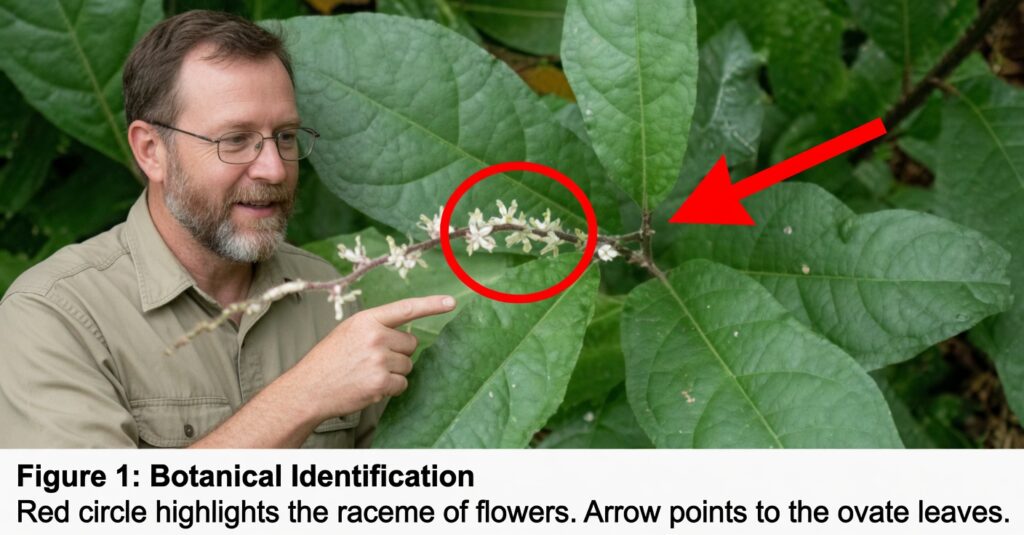
Anamú (Petiveria alliacea): Uses, Benefits, and How to Prepare It at Home
Anamú, scientifically known as Petiveria alliacea, is a strongly aromatic medicinal plant with a long history of use in traditional herbal medicine. Native to Latin America, the Caribbean, and parts of Africa, it has been valued for its wide range of potential therapeutic properties.
Traditionally, anamú has been used to ease pain, support the immune system, relieve respiratory issues, and even as a complementary aid in cancer care. Below, you’ll find its common names in different countries, five key traditional uses, fifteen health-related benefits, simple ways to prepare it at home, and the main precautions you should keep in mind.
Common Names of Anamú
Depending on the region, anamú is known by several local names:
- Guinea – Cuba, Dominican Republic
- Hierba de zorrillo – Mexico, Colombia
- Apacún – Paraguay
- Mucuré – Brazil
- Mapurite – Venezuela

5 Main Traditional Medicinal Uses of Anamú
-
Relief of muscle and joint pain
Thanks to its anti-inflammatory action, anamú is often used in poultices or infusions to ease discomfort linked to arthritis, rheumatism, sprains, and bruises. -
Immune system support
The bioactive compounds in anamú are believed to stimulate the body’s natural defenses, making it a popular herbal option for helping prevent infections. -
Respiratory conditions
With expectorant properties, anamú has traditionally been used to help clear mucus and relieve symptoms of bronchitis, asthma, cough, and nasal congestion. -
Stress and anxiety reduction
Anamú contains mild sedative components that may calm the nervous system, promoting relaxation and supporting better sleep quality. -
Potential anticancer support
Early laboratory and preliminary studies suggest that certain constituents of anamú might inhibit the growth of cancer cells. However, more rigorous human research is needed, and it should never replace conventional cancer treatment.
15 Health-Related Benefits of Anamú
-
Natural anti-inflammatory
May reduce both internal and external inflammation, contributing to relief from swelling and pain. -
Analgesic (pain-relieving) effect
Used traditionally to help manage acute and chronic pain conditions. -
Immune system stimulant
Can enhance the body’s capacity to respond to infections and illnesses. -
Antimicrobial activity
Shows activity against various bacteria, viruses, and fungi, supporting overall resistance to pathogens. -
Antioxidant protection
Helps shield cells from oxidative stress and free radical damage. -
Expectorant
Aids in loosening and expelling mucus from the respiratory tract, improving breathing comfort. -
Diuretic
Promotes increased urine production, assisting in the elimination of retained fluids. -
Blood sugar support
May help stabilize blood glucose levels, contributing to better metabolic balance. -
Muscle relaxant
Can help ease muscle tension, which may improve relaxation and sleep. -
Detoxifying effect
Traditionally used to support the body’s natural detoxification processes. -
Antitumor potential
Some compounds have shown promise in reducing tumor growth in preliminary studies, though clinical evidence is still limited. -
Anti-allergic properties
May alleviate mild allergy symptoms such as sneezing or skin irritation. -
Digestive stimulant
Supports digestion and may help prevent common gastrointestinal discomforts. -
Antipyretic (fever-reducing)
Traditionally used to help lower fever in a natural way. -
Wound-healing support
Can promote tissue regeneration and assist in the closure of minor wounds and skin lesions.
How to Prepare Anamú at Home: Recipes and Uses
1. Anamú Infusion (Tea)
Ingredients:
- 1 tablespoon of dried anamú leaves or stems
- 1 cup of water
Preparation:
- Bring the water to a boil.
- Add the dried anamú.
- Remove from heat, cover, and let steep for about 10 minutes.
- Strain and drink while warm.
- You may sweeten with raw honey if desired.
How to use:
- Drink 1–2 cups per day to support the immune system or help relieve pain and inflammation.
2. Anamú Poultice for Pain
Ingredients:
- 2 tablespoons of fresh anamú leaves
- Warm water
- A clean cloth or gauze
Preparation:
- Crush or grind the fresh leaves until a thick paste forms.
- Apply the paste directly to the affected area.
- Cover with the clean cloth or gauze to keep it in place.
- Leave on for about 20 minutes.
How to use:
- Apply up to 2 times daily on inflamed or painful joints and muscles.
3. Anamú Tincture
Ingredients:
- 100 grams of anamú root
- 500 ml of 70% medicinal alcohol
Preparation:
- Wash the root thoroughly and cut it into small pieces.
- Place the pieces into a glass jar and pour in the alcohol.
- Seal the jar and store it in a dark place for 2 weeks.
- Shake the jar every 2 days to help extract the active compounds.
- After 2 weeks, strain the liquid and store it in a clean, dark glass bottle.
How to take:
- Take 10 drops diluted in water, twice a day.
- Always consult a healthcare professional before using tinctures, especially for long periods.
Practical Tips for Using Anamú Safely
- Talk to your doctor first if you are pregnant, breastfeeding, have a chronic illness, or are taking prescription medications.
- Do not exceed recommended doses to avoid side effects such as nausea, stomach irritation, or dizziness.
- Store dried anamú properly in a cool, dry place away from moisture and direct sunlight to preserve its active compounds.
Important Precautions
-
Pregnancy and breastfeeding:
Anamú is contraindicated during pregnancy and lactation, as it may stimulate uterine contractions and is not considered safe for the baby. -
Autoimmune diseases:
Because anamú can stimulate the immune system, it may aggravate conditions such as lupus, multiple sclerosis, or rheumatoid arthritis in some individuals. -
Drug interactions:
Anamú may interact with blood thinners (anticoagulants) and other medications. Always seek medical advice before combining it with conventional treatments.
Final Thoughts
Anamú is a powerful and versatile medicinal plant with notable anti-inflammatory, antimicrobial, and antioxidant properties. When used in appropriate forms—such as infusions, poultices, or tinctures—it can be a valuable natural ally for supporting overall health.
However, like any potent herbal remedy, it should be used thoughtfully and responsibly. Respect recommended dosages, consider existing health conditions, and consult a qualified health professional whenever in doubt. For those interested in strengthening their well-being with natural remedies, anamú is certainly a traditional plant worth exploring.