How to Stop Snoring: Effective and Natural Solutions
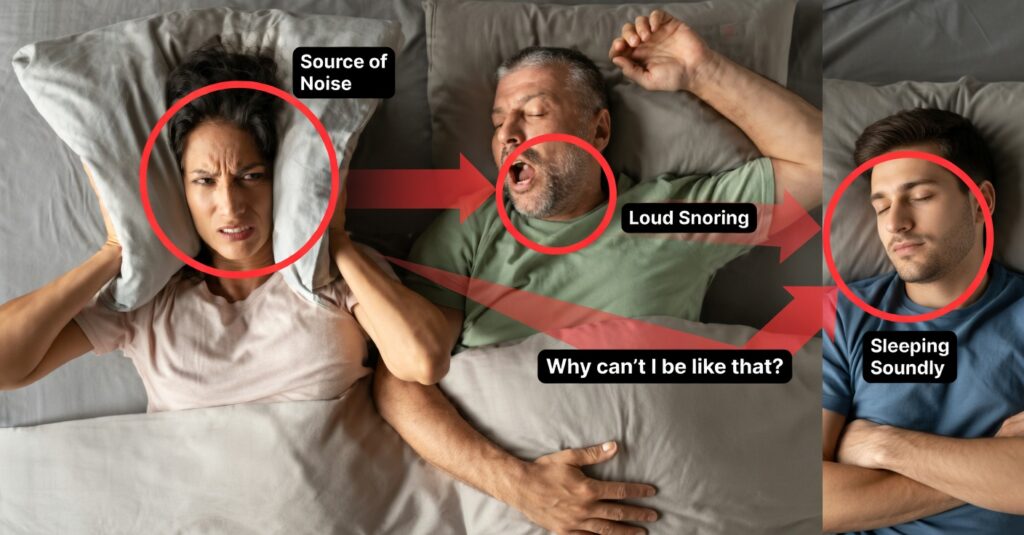
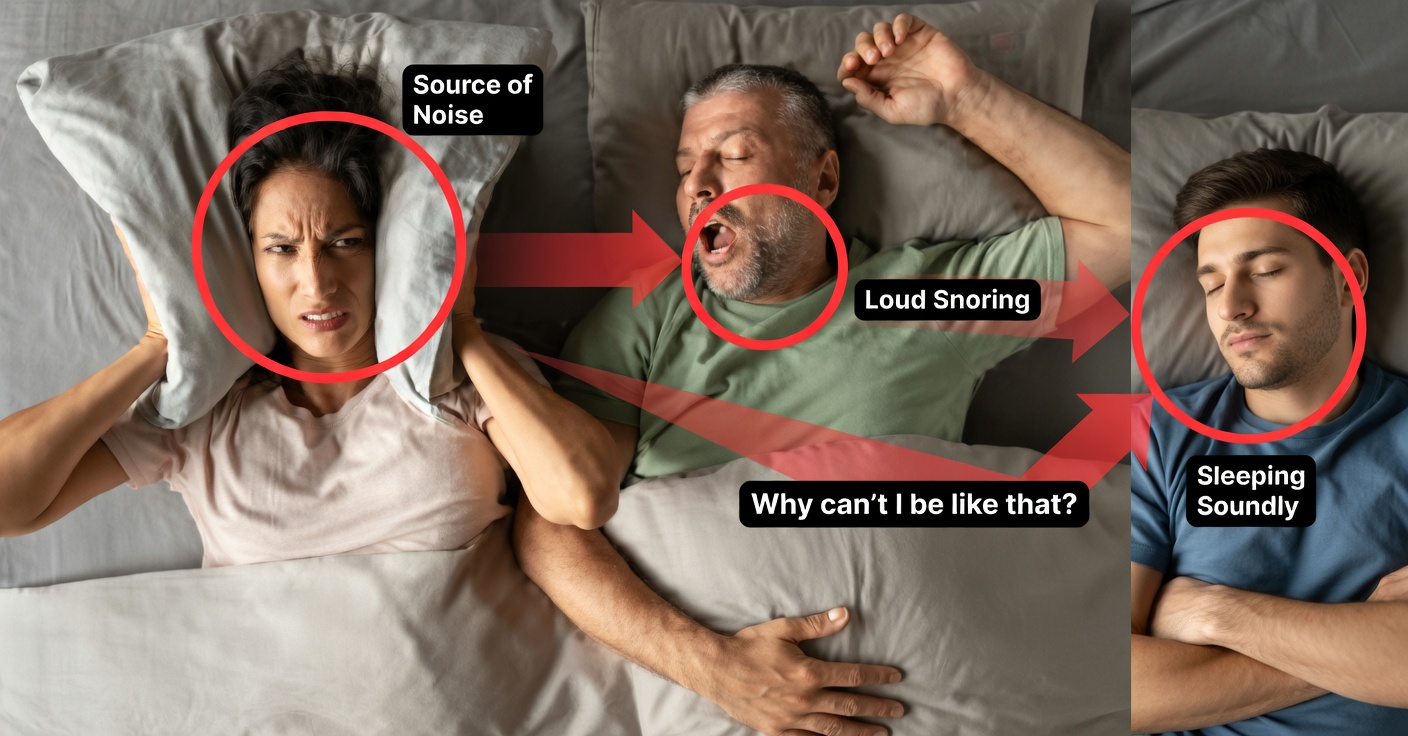
Snoring is more than just an annoying nighttime noise. It’s a very common issue that affects both the person who snores and anyone sleeping nearby. Beyond disturbing sleep, chronic snoring can lead to daytime fatigue, irritability, and, in more serious cases, health conditions such as sleep apnea. If you’re trying to figure out how to stop snoring, there are several simple, natural strategies that can significantly improve the quality of your sleep and that of those around you.
Below are 10 practical and natural tips to help you reduce or stop snoring safely.
1. Maintain a Healthy Weight
Excess body weight, especially around the neck, can narrow your airways and trigger snoring. Fat deposits in this area reduce the space available for air to pass through, causing the tissues to vibrate and produce the sound of snoring. Losing weight can decrease this fatty tissue and allow air to move more freely while you sleep.
Tip:
Follow a balanced, nutritious diet and incorporate regular physical activity into your routine. Weight loss not only helps you stop snoring naturally, it also improves your overall health.
2. Sleep on Your Side
Sleeping on your back often causes your tongue and the soft tissues in your throat to collapse backward, partially blocking your airway. Side-sleeping helps keep the airway open and can significantly reduce snoring episodes.
Tip:
Use a body pillow to support a side-sleeping position. Another trick is to sew a small pocket on the back of your pajama top and place a tennis ball in it. This makes sleeping on your back uncomfortable and encourages you to stay on your side.
3. Keep Your Nasal Passages Clear
Nasal congestion forces you to breathe through your mouth, which increases the likelihood of snoring. If you frequently struggle with colds, sinus issues, or allergies, keeping your nasal passages clear is essential for reducing snoring.
Tip:
Use a humidifier in your bedroom to keep the air moist, and consider saline nasal sprays or nasal strips before bed to promote nasal breathing.
4. Avoid Alcohol and Sedatives
Alcohol and sedative medications overly relax the muscles of the throat, making it easier for the airway to collapse and produce snoring. Their effects can last for several hours after consumption and often worsen nighttime breathing.
Tip:
Avoid drinking alcohol and taking sedatives for at least 3 hours before going to bed. If you need medication that has sedative effects, discuss alternatives with your doctor.
5. Stick to a Regular Sleep Schedule
Irregular sleep patterns or chronic sleep deprivation can push your body into very deep sleep more quickly. In this state, your muscles relax more than usual, which can increase snoring. Consistent sleep habits help stabilize your sleep cycles and improve sleep quality.
Tip:
Go to bed and wake up at the same time every day, including weekends. Once your body adjusts to a regular rhythm, you’ll likely sleep more soundly and snore less.
6. Stay Well Hydrated
When you’re dehydrated, the mucus in your nose and throat becomes thicker and stickier. This can interfere with airflow and contribute to snoring. Proper hydration keeps these secretions fluid, allowing air to pass more easily.
Tip:
Aim to drink around 8 glasses of water a day, and increase your intake if you exercise, sweat a lot, or live in a hot climate.
7. Manage Your Allergies
Allergies can cause nasal congestion, postnasal drip, and throat inflammation—factors that frequently lead to snoring. Treating the underlying allergies often results in easier breathing and quieter nights.
Tip:
If you suspect allergies, consult a healthcare professional. Antihistamines, prescribed treatments, or suitable natural remedies can help reduce allergic reactions and improve nighttime breathing.
8. Consider an Anti-Snoring Device
There are various devices designed to keep the airway open during sleep, such as oral appliances, mandibular advancement splints, and CPAP machines. These are especially helpful for people with obstructive sleep apnea or severe snoring.
Tip:
See a sleep specialist or an ENT (ear, nose, and throat) doctor so they can recommend the most appropriate device based on your specific condition.
9. Do Throat and Tongue Exercises
The muscles of your throat and tongue can be strengthened just like any other muscles. When these muscles are firmer, they are less likely to collapse during sleep, helping to keep the airway open and reduce snoring.
Tip:
Practice vocal exercises like repeating vowel sounds (A-E-I-O-U) out loud several times a day. You can also press your tongue against the roof of your mouth for about 10 seconds, relax, and repeat. Singing regularly is another excellent way to exercise and tone the throat muscles.
10. Consult a Doctor
If lifestyle changes and home remedies don’t reduce your snoring, there may be an underlying medical issue, such as sleep apnea. Left untreated, sleep apnea can increase the risk of high blood pressure, heart problems, and other serious health issues.
Tip:
Seek medical advice if you notice symptoms such as pauses in breathing while sleeping, gasping or choking at night, loud snoring every night, or excessive daytime sleepiness. Early diagnosis and treatment can prevent complications and greatly improve your quality of life.
Natural Remedy to Help Stop Snoring: Peppermint and Eucalyptus Infusion
This soothing herbal infusion can help clear the airways and reduce throat inflammation—two common contributors to snoring. Peppermint supports nasal decongestion, while eucalyptus offers powerful anti-inflammatory and decongestant properties.
Ingredients
- 1 teaspoon dried peppermint leaves (or about 5 fresh leaves)
- 1 teaspoon dried eucalyptus leaves (or 2 drops of eucalyptus essential oil)
- 1 cup of water
- Honey (optional)
Preparation
- Bring the cup of water to a boil.
- Add the peppermint and eucalyptus leaves.
- Cover and let steep for about 10 minutes.
- Strain the infusion and sweeten with honey if desired.
How to Use
Drink one warm cup about 20–30 minutes before going to bed. You can also inhale the steam from the infusion for around 5 minutes before sleep by placing your face over the cup and covering your head with a towel to trap the vapors. This helps open the nasal passages and soothe the throat.
Recommended Articles
- Helicobacter pylori: Symptoms and 7 Natural Remedies
- High Blood Sugar Symptoms and Natural Ways to Control It
Conclusion
Learning how to stop snoring can transform not only your own sleep, but also the rest and well-being of your partner or family. Simple lifestyle changes—such as maintaining a healthy weight, adjusting your sleeping position, staying hydrated, managing allergies, and strengthening the muscles of your throat—can dramatically reduce snoring.
If snoring persists or is accompanied by worrying symptoms like pauses in breathing or severe daytime sleepiness, don’t ignore it. Snoring is not always just a harmless annoyance; it can be a warning sign of deeper health problems that require professional attention. Each step you take toward quieter nights is also a step toward better overall health.