Cuban Oregano at Home: Uses and Benefits
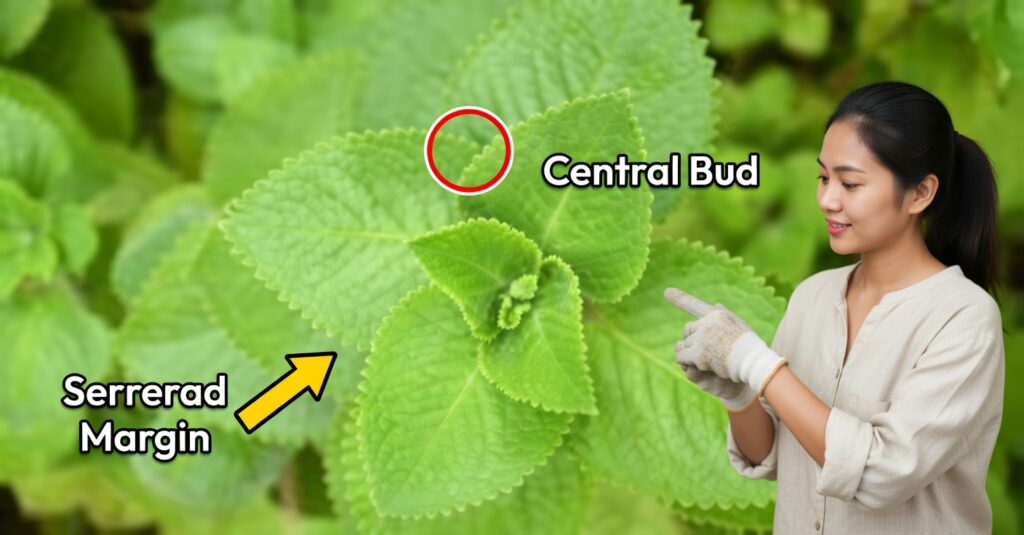
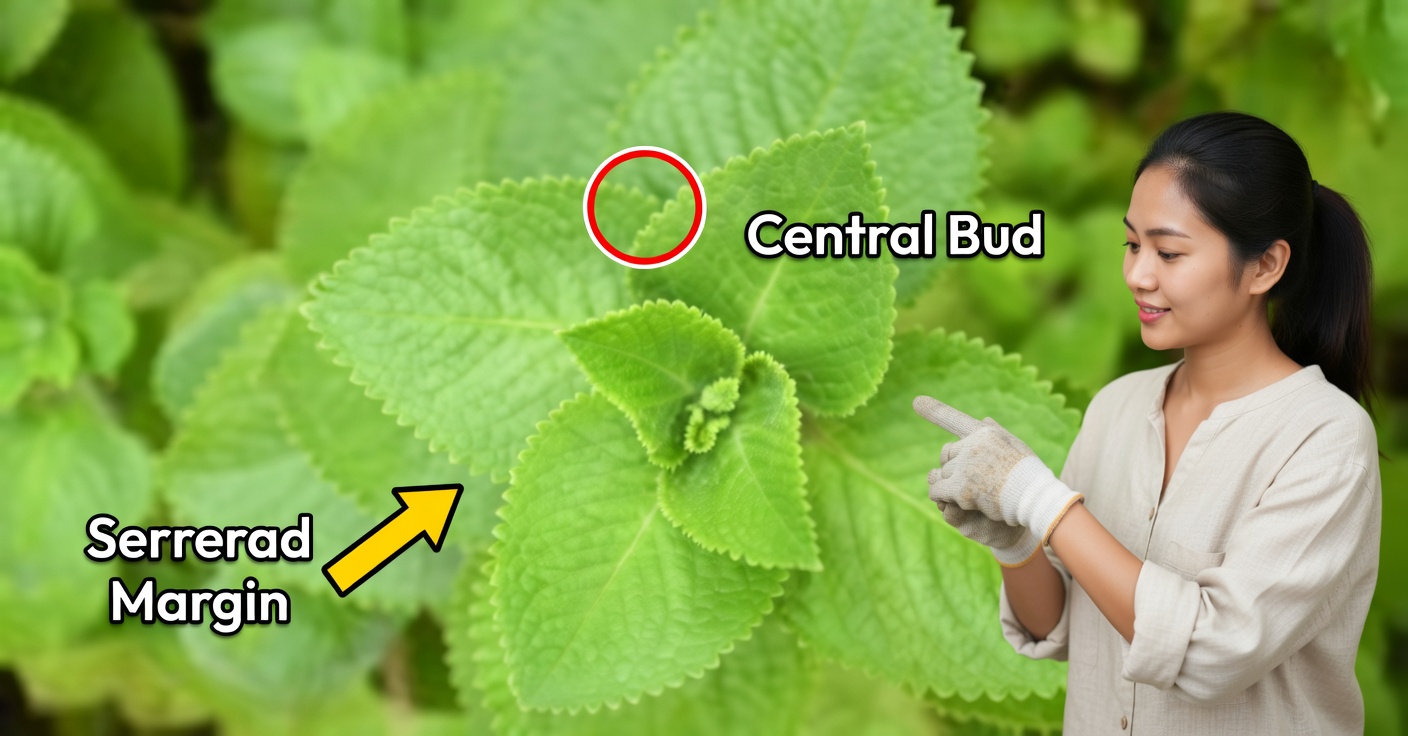
Cuban oregano (Plectranthus amboinicus), often called broadleaf thyme or Spanish thyme, is a fragrant, thick‑leafed medicinal herb that not only decorates your home but also supports your wellbeing. Keeping a pot of Cuban oregano indoors or on your balcony gives you easy access to a natural “first aid kit” for everyday issues such as coughs, colds, indigestion, and minor skin problems.
In this guide you’ll learn its main health benefits, key medicinal properties, and step‑by‑step recipes to prepare simple home remedies with this versatile plant.
Why Keep Cuban Oregano at Home?
1. Very easy to grow
Cuban oregano is perfect for beginners in gardening. It is hardy, needs minimal care, and adapts well to both sunny and partially shaded spots. You can grow it in pots, planters, or directly in the garden soil.
2. Everyday culinary ingredient
Its strong aroma and distinctive flavor make it a great kitchen companion. Use fresh leaves to season soups, stews, meat dishes, marinades, or even to prepare herbal infusions.
3. Natural medicinal power
The plant is rich in active compounds such as carvacrol and thymol, which have antimicrobial, anti-inflammatory, and antioxidant properties. Thanks to these components, Cuban oregano can support your body in fighting common infections and inflammatory conditions.
15 Health Benefits of Cuban Oregano
Below are some of the most notable health benefits associated with Cuban oregano:
-
Antibacterial action
Helps fight bacterial infections, including strains like E. coli and Staphylococcus aureus. -
Anti-inflammatory effects
Reduces inflammation, which can be helpful for joint pain, mild arthritis, and sore muscles. -
Powerful antioxidant
Protects cells from oxidative stress, which is linked to premature aging and chronic diseases. -
Supports digestion
Stimulates gastric juices and bile production, aiding digestion and reducing discomfort such as bloating or gas. -
Relieves colds
Helps decongest the airways and promotes the expulsion of mucus. -
Helps with respiratory infections
Can be used as a complementary remedy for conditions such as bronchitis and mild asthma. -
Soothes coughs
Its expectorant effect assists in clearing the respiratory tract and calming persistent cough. -
Eases headaches
Its relaxing and mild analgesic properties may reduce tension and headache pain. -
Supports skin health
Useful for minor skin issues such as acne, insect bites, and mild eczema. -
Boosts the immune system
Strengthens the body’s natural defenses and resistance to common illnesses. -
Helps regulate blood sugar
May assist in maintaining healthier glucose levels when used alongside a balanced lifestyle. -
Reduces stress and anxiety
The aroma has a calming effect that can promote relaxation and emotional balance. -
Promotes cardiovascular health
Its antioxidant activity supports heart and blood vessel health. -
Antifungal properties
Helps combat fungal infections, including Candida albicans. -
Supports weight management
Enhances digestion and may stimulate metabolism, which is useful in weight control plans.
How to Use Cuban Oregano: 10 Practical Home Remedies
Below are simple, traditional ways to use Cuban oregano at home. Always consult a healthcare professional if you have underlying conditions, are pregnant, or take medication.
1. Infusion for Coughs and Colds
Ingredients:
- 1 cup of water
- 1–2 fresh Cuban oregano leaves
- Honey to taste
Directions:
- Bring the water to a gentle boil.
- Add the leaves and remove from heat.
- Let steep for about 10 minutes.
- Strain, sweeten with honey, and drink warm.
2. Poultice for Headaches
- Crush 3–4 fresh leaves into a paste.
- Apply the paste directly to your forehead.
- Cover with a clean cloth or bandage.
- Leave on for 15–20 minutes, then remove.
3. Medicinal Oil for Skin Care
- Gently crush about 10 leaves.
- Place them in 1 cup of olive oil or coconut oil.
- Heat over very low heat for around 30 minutes (do not let it boil).
- Strain and store the infused oil in a clean bottle.
- Apply to the skin twice a day to soothe irritation or dryness.
4. Digestive Herbal Tea
Ingredients:
- 1 cup of water
- 1–2 fresh leaves
- A few drops of lemon juice
Directions:
- Boil the water and add the leaves.
- Turn off the heat and let steep for several minutes.
- Strain, add lemon juice, and drink preferably before meals.
5. Homemade Cough Syrup
Ingredients:
- 1 cup of water
- 5–6 fresh leaves
- 1 cup of honey
Directions:
- Boil the water and add the leaves.
- Simmer for a few minutes, then strain.
- Let the liquid cool slightly and mix with the honey.
- Pour into a glass jar and store in the refrigerator.
- Take small spoonfuls throughout the day as needed.
6. Steam Inhalation for Nasal Congestion
- Boil 1 liter of water with 5–6 leaves.
- Remove from the heat and place the pot on a stable surface.
- Cover your head with a towel, leaning over the pot to inhale the steam.
- Breathe deeply for 10–15 minutes to help clear nasal and chest congestion.
7. Facial Tonic
- Boil 3–4 leaves in 1 cup of water for a few minutes.
- Allow the infusion to cool completely.
- Optional: add a small amount of apple cider vinegar.
- Apply to the face with a cotton pad after cleansing, avoiding the eye area.
8. Salve for Joint Pain and Arthritis
- Gently heat 1 cup of coconut oil with 5–6 crushed leaves.
- Optional: add some beeswax and stir until melted to create a thicker balm.
- Let it cool until it solidifies into an ointment.
- Apply warm or at room temperature to sore joints or muscles.
9. Immune-Boosting Tincture
- Place 10–15 fresh leaves in a glass jar.
- Cover with 1 cup of vodka or another high-proof, neutral alcohol.
- Seal the jar and store in a cool, dark place for 4–6 weeks, shaking occasionally.
- Strain and transfer the liquid to a dropper bottle.
- Take 10–15 drops diluted in water once a day, if suitable for you.
10. Infusion to Support Blood Sugar Balance
- Place 2 fresh leaves in 1 cup of water.
- Bring to a boil, then turn off the heat.
- Let steep, strain, and drink once per day.
- Use as a complement to, not a replacement for, professional medical treatment.
Recommended Reading
- “Leaf of Life: 7 Benefits and How to Use It with Home Remedies”
- “Lamb Quarters: Properties and Medicinal Benefits”
Conclusion
Growing Cuban oregano at home brings freshness, fragrance, and a practical source of natural medicine into your daily life. Thanks to its antibacterial, anti-inflammatory, digestive, and antioxidant properties, this plant is a valuable ally for managing common ailments gently and inexpensively.
Whether you use it as an infusion, poultice, oil, or syrup, Cuban oregano can become a key part of your natural home pharmacy. Cultivate it, care for it, and make the most of its many health benefits right from your own home.