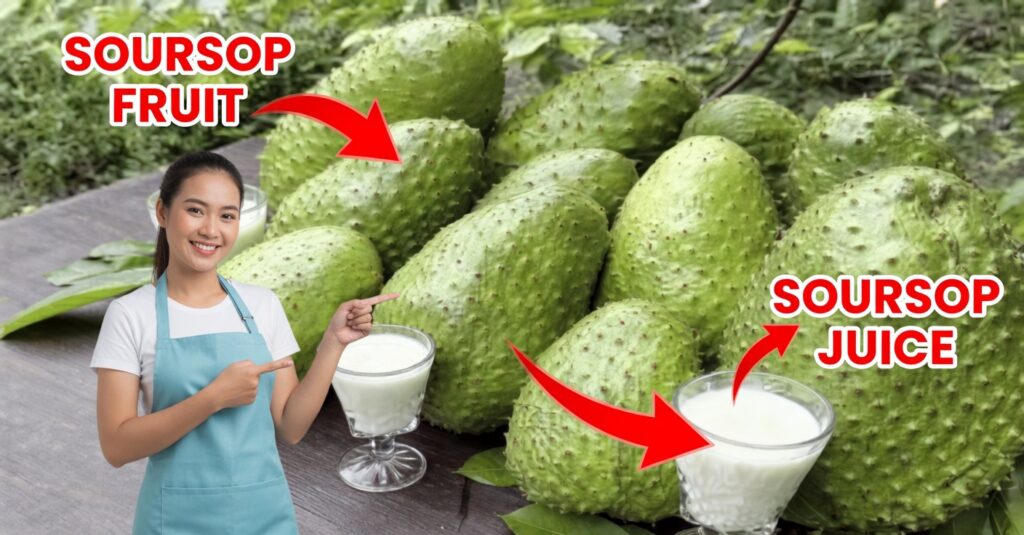
Soursop for Cancer: Recipe and Potential Benefits
Soursop, also known as guanábana, graviola, or by its scientific name Annona muricata, is a tropical fruit widely used in traditional medicine. In recent years, laboratory and preliminary studies have explored its potential against different types of cancer, mainly due to compounds called annonaceous acetogenins. These substances have shown cytotoxic effects in test tubes, meaning they can damage or inhibit cancer cells while having less impact on healthy cells under experimental conditions.
This article explains a popular medicinal soursop juice recipe and how it is commonly used as a complementary support alongside conventional cancer treatment, not as a substitute. Always involve your oncology team before trying any natural remedy.
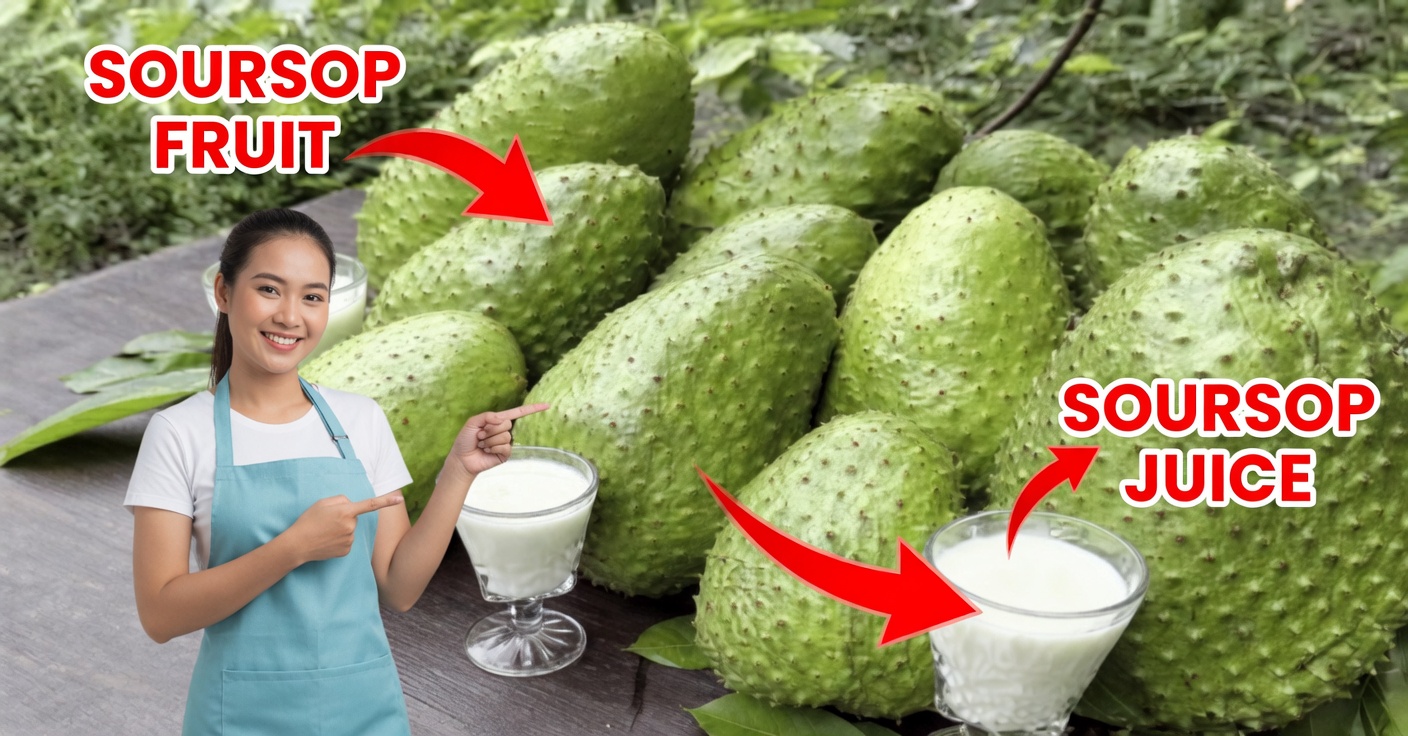
Why Soursop Is Considered Helpful Against Cancer
Soursop pulp is rich in:
- Antioxidants
- Vitamins (especially vitamin C and B1)
- Minerals (including iron and magnesium)
- Dietary fiber
- Various phytochemicals
The most researched components in the context of cancer are the annonaceous acetogenins. In laboratory studies, these natural compounds:
- Exhibit cytotoxic activity against cancer cells
- Interfere with the energy production of tumor cells
- May reduce the ability of malignant cells to multiply
Early in vitro and animal studies suggest that soursop extracts can act on more than a dozen cancer cell lines, including breast, prostate, colon, liver, lung, ovarian, and others. However:
- Evidence in humans is still limited.
- Soursop is not a proven cure for cancer.
- It must never replace surgery, chemotherapy, radiotherapy, or any treatment prescribed by your oncologist.
Used carefully and under medical supervision, soursop may serve as a complementary element within a broader, evidence-based cancer care plan.
Natural Medicinal Soursop Juice Recipe
Ingredients
- 1 cup fresh soursop pulp, seeds removed
- 1 glass of coconut water or plain water
- 1 teaspoon turmeric powder (optional)
- 1 tablespoon raw honey (optional)
- 5 young, tender soursop leaves (optional)
Preparation
-
Prepare the leaf infusion (if using leaves)
- Rinse the soursop leaves thoroughly.
- Boil them in 1 cup of water for about 5 minutes.
- Strain the liquid and let it cool to room temperature.
-
Blend the juice
- Add the soursop pulp to a blender.
- Pour in the coconut water or plain water.
- Add the cooled leaf tea, turmeric, and honey if desired.
-
Process
- Blend for around 1 minute until the mixture becomes smooth and uniform.
-
Serve
- Drink immediately after preparation to preserve the most active nutrients and plant compounds.
Suggested Use Patterns by Cancer Type (With Caution)
Important: Consult your oncologist or healthcare provider before using soursop in any form. There is no standardized medical dosage of soursop for cancer, and clinical evidence in humans is limited. The following patterns come from traditional and complementary approaches and should be considered informational only.
| Type of Cancer | Commonly Suggested Intake Pattern | Additional Recommendation |
|---|---|---|
| Breast | 1 glass on an empty stomach | Consider adding turmeric powder. |
| Colon | 1 glass on waking and another before bed | Increase daily fiber intake (whole grains, fruits, vegetables). |
| Prostate | 1 glass first thing in the morning | Include young soursop leaves in the infusion. |
| Lung | 1 glass daily, prepared with cooked leaves | Avoid tobacco and reduce or eliminate dairy. |
| Stomach | ½ glass before each main meal | Follow a soft, non-irritating diet. |
| Pancreas | 1 glass on an empty stomach | Combine with fresh ginger in the diet as advised by your doctor. |
| Liver | 1 glass daily with turmeric and a splash of lemon | Emphasize a plant-based diet and avoid ultra-processed foods. |
| Ovarian | 1 glass daily for 3 weeks | Take a 1-week break, then repeat only if your doctor approves. |
| Kidney | 1 glass without honey | Increase overall water intake, unless your doctor restricts fluids. |
| Leukemia | 2 glasses per day (morning and evening) | Use only under strict medical supervision; any fasting must be guided by a professional. |
| Skin Cancer | Internal use plus external poultices of the pulp | Apply fresh pulp to the affected area if your dermatologist approves. |
These patterns are not medical prescriptions. Your doctor may adjust, modify, or completely discourage the use of soursop depending on your diagnosis, medications, and general health.
Symptoms Soursop May Help Relieve
In addition to its potential anti-tumor activity in experimental settings, soursop is widely used to ease common discomforts experienced by many cancer patients or individuals undergoing chemotherapy. It may help:
- Reduce nausea and vomiting
- Stimulate appetite in those with poor hunger
- Lessen chronic fatigue
- Ease inflammation and pain
- Improve sleep quality and mild insomnia
- Relieve constipation thanks to its fiber content
- Decrease dizziness and mild anxiety
- Reduce excessive sweating
- Support hair regrowth after treatment
- Soothe digestive issues such as bloating or indigestion
- Support immune defenses and reduce the frequency of minor infections
Responses vary from person to person, and none of these effects are guaranteed.
20 Potential Cancer-Related Benefits of Soursop
When used responsibly as a complementary food or drink, soursop may offer the following potential benefits:
- Helps inhibit the growth of tumor cells in experimental studies
- Supports a stronger immune system
- Contributes to reducing internal inflammation
- May alleviate general body aches
- Promotes smoother digestion
- May lessen some side effects of chemotherapy for some people
- Acts as a powerful natural source of antioxidants
- Supports healthy blood circulation
- May help maintain or increase white blood cell counts
- Aids in the elimination of metabolic waste and toxins
- Supports cellular repair and regeneration
- Can help regulate blood pressure in some individuals
- Reduces oxidative stress caused by free radicals
- May help lower the risk of cancer spread (metastasis) in theoretical models
- Supports hormonal balance as part of an overall healthy lifestyle
- Can contribute to a better mood and emotional well-being
- Encourages deeper, more restorative sleep
- Helps prevent secondary infections by supporting immunity
- Can reinforce other natural or integrative therapies (under medical guidance)
- May increase overall energy and vitality over time
These benefits are based on a combination of traditional use, preliminary research, and the known nutritional profile of soursop. Rigorous clinical trials in humans are still needed.
Important Precautions When Using Soursop
To use soursop safely, pay close attention to the following warnings:
- Avoid excessive intake. Very high or prolonged doses have been linked in some studies to potential neurotoxicity (nerve damage).
- Not recommended during pregnancy and breastfeeding. Safety data are insufficient for these stages.
- Use with caution in low blood pressure. Soursop may further reduce blood pressure in people who already have hypotension.
- Do not combine with MAOI-type antidepressants. Possible interactions may occur; always inform your doctor about all herbal products.
- May cause drowsiness. Avoid driving or operating heavy machinery after consuming large amounts.
- Use only young, tender leaves. Older leaves may contain higher levels of potentially toxic compounds.
- Stop use if you notice neurological symptoms. Dizziness, coordination problems, unusual tingling, or other nervous system changes are warning signs—discontinue immediately and consult a doctor.
Explore More Natural Health Topics
- How to Prevent Nighttime Leg Cramps
- Papaya Seeds: Benefits and How to Use Them Safely
- Natural Home Remedies for Common Infections
Conclusion
Soursop is a remarkable tropical fruit with antioxidant, anti-inflammatory, and experimentally observed anticancer properties. Its rich profile of vitamins, minerals, fiber, and bioactive compounds makes it a valuable complementary ally in many holistic cancer care strategies when used judiciously.
However, it is crucial to:
- See soursop as a supportive food or natural remedy, not as a cure.
- Use it in moderation and under the supervision of a qualified healthcare professional.
- Integrate it into a broader plan that includes conventional oncology treatment, a balanced diet, movement, rest, and emotional support.
The medicinal soursop juice recipe described here can be one more tool within an integrative approach focused on improving quality of life and supporting the body during cancer treatment.
Important notice: This article is for informational purposes only and does not replace professional medical advice, diagnosis, or treatment. If you have cancer or experience serious or persistent symptoms, consult your doctor or a specialist promptly.