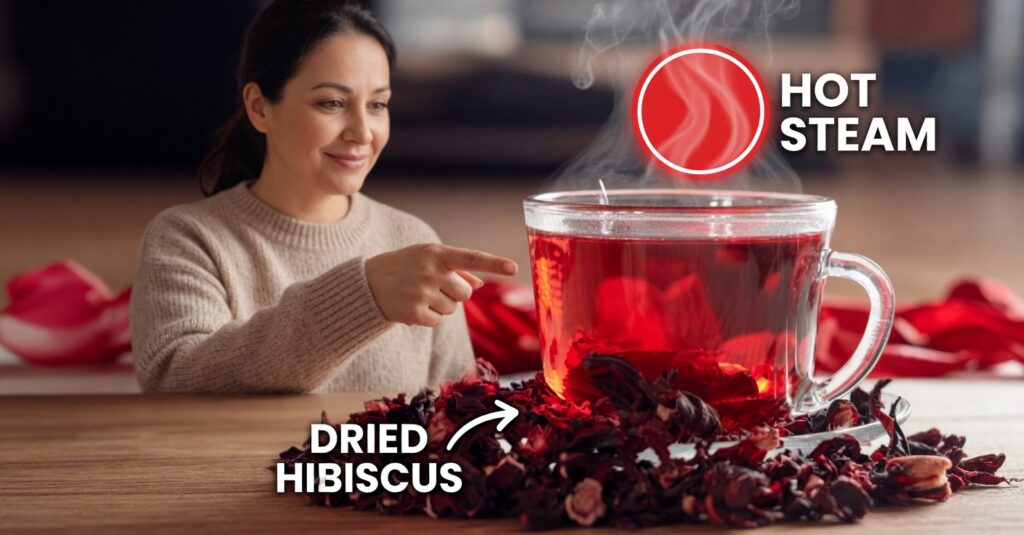
Hibiscus Tea (Té de Jamaica): Benefits, Recipe, and Precautions
Hibiscus tea, widely known in Latin America as té de jamaica, is an herbal infusion made from the dried calyces of the Hibiscus sabdariffa flower. Its deep ruby-red color and pleasantly tart flavor make it a refreshing drink, whether served hot or iced. Beyond its taste, hibiscus tea is valued for its rich nutritional profile and long history of use in traditional medicine.
Packed with antioxidants, vitamins, and minerals, hibiscus tea has been associated with a wide range of health benefits, particularly for heart health, digestion, and immune support.
In this guide, you’ll learn how to prepare hibiscus tea properly, its most notable health benefits, and the key precautions to consider before making it part of your daily routine.
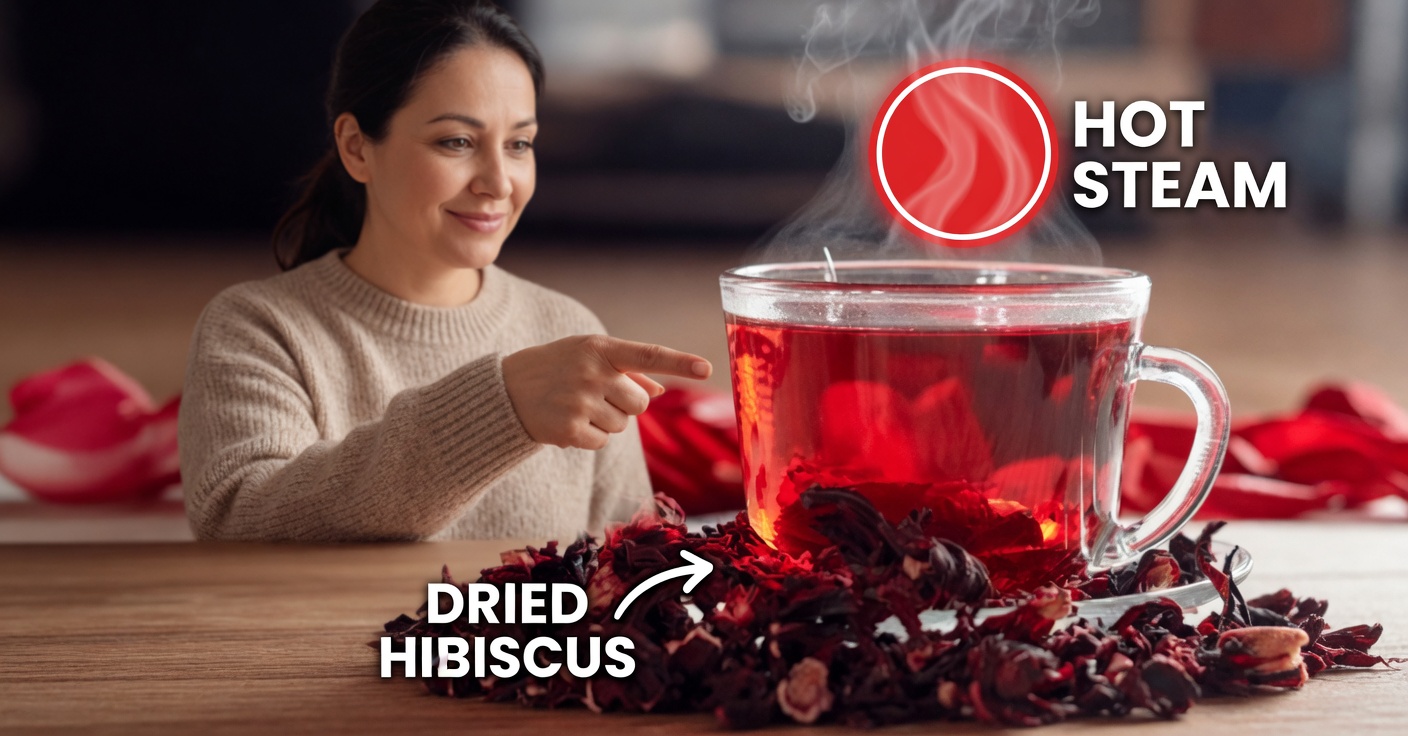
Hibiscus Tea Recipe (Té de Jamaica)
Ingredients
- 1 liter of water
- 2 tablespoons of dried hibiscus flowers (dried jamaica)
- Honey, stevia, or another natural sweetener (optional)
- Juice of half a lemon (optional)
- Ice cubes (if you want to serve it cold)
Directions
- Bring the water to a boil in a pot.
- Add the dried hibiscus flowers, then reduce the heat to low.
- Simmer gently for about 10 minutes.
- Remove from heat and let the infusion steep for an additional 5 minutes.
- Strain to remove the flowers.
- Sweeten to taste if desired.
- Serve hot, or let it cool and pour over ice. You can add lemon juice and ice for an extra-refreshing drink.
Main Health Benefits of Hibiscus Tea
Below are the most notable benefits of hibiscus tea, many of which are linked to its natural bioactive compounds and antioxidant content.
1. Powerful Natural Antioxidant
Hibiscus tea contains high levels of anthocyanins and polyphenols—strong antioxidants that help neutralize free radicals, protect cells from oxidative damage, and may slow signs of premature aging.
2. Helps Regulate Blood Pressure
Research suggests that hibiscus tea can support the reduction of blood pressure in people with mild hypertension, largely due to its vasodilatory properties that help relax blood vessels.
3. May Lower “Bad” Cholesterol (LDL)
Regular consumption has been associated with a decrease in LDL (bad) cholesterol, contributing to better cardiovascular health and potentially lowering the risk of heart disease.
4. Supports Weight Loss Efforts
Hibiscus tea has mild diuretic and digestive effects. By helping reduce fluid retention and supporting digestion, it can complement a balanced diet and exercise program aimed at weight management.
5. Helps Stabilize Blood Sugar
Some evidence indicates that hibiscus tea may aid in stabilizing blood glucose levels, which can be beneficial for people with insulin resistance or type 2 diabetes. It should always be used as a complement—not a replacement—for medical treatment.
6. Promotes Healthy Digestion
Hibiscus can stimulate digestive juices and support intestinal function, helping to relieve issues like bloating, gas, and mild constipation.
7. Natural Anti-Inflammatory Effect
The plant’s bioactive compounds possess anti-inflammatory properties that may help reduce inflammation and ease mild joint or muscle discomfort.
8. Boosts the Immune System
Thanks to its vitamin C content and antioxidants, hibiscus tea can help strengthen the immune system and support the body in fighting off common infections such as colds.
9. Gentle Natural Diuretic
Hibiscus tea encourages urine production, promoting the elimination of toxins and reducing fluid retention. This can be helpful for people with mild kidney or fluid retention issues.
10. Supports Liver Health
Hibiscus has been studied for its hepatoprotective (liver-protecting) effects. It may support liver function and assist in the body’s natural detoxification processes.
11. Promotes Healthy, Youthful Skin
The antioxidants in hibiscus tea help fight oxidative stress in the skin, supporting hydration, elasticity, and a more youthful appearance from the inside out.
12. Mild Natural Relaxant
Hibiscus contains flavonoids that may have a gentle calming effect on the nervous system, helping to ease stress, tension, and mild anxiety.
13. Helps Prevent Iron-Deficiency Anemia
Hibiscus tea provides iron along with vitamin C, which enhances iron absorption. Together, these nutrients can support the prevention of iron-deficiency anemia when combined with an iron-rich diet.
14. May Improve Sleep Quality
When consumed in the evening (without excessive sweeteners or caffeine-containing additions), hibiscus tea’s relaxing properties can promote better rest and help you unwind before bed.
15. Eases Menstrual Discomfort
Hibiscus tea is often used to help reduce menstrual cramps, bloating, and other symptoms associated with premenstrual syndrome (PMS), thanks to its anti-inflammatory and relaxing effects.
16. Supports Healthy Circulation
By contributing to healthy blood flow and vascular function, hibiscus tea can aid overall circulation and improve the body’s oxygen delivery to tissues.
17. Antibacterial Activity
Hibiscus has natural antimicrobial properties that may help the body defend itself against certain mild infections and bacterial overgrowth.
18. May Help Protect Against Chronic Diseases
The polyphenols and antioxidants in hibiscus have been studied for their potential protective effects against chronic diseases, including some types of cancer, by reducing oxidative stress and inflammation.
19. Supports Kidney Function
By promoting diuresis and helping prevent the buildup of certain mineral deposits, hibiscus tea may support kidney health and help reduce the risk of small kidney stone formation.
20. Helps Balance the Body’s pH
Although hibiscus tea tastes acidic, it can contribute to overall acid–base balance in the body as part of a healthy diet, helping maintain an internal environment that supports general well-being.
21. Enhances Physical Performance
Hibiscus tea may help reduce fatigue and support recovery after physical activity by improving circulation, hydration, and antioxidant status.
22. Supports Oral Health
Its antibacterial effects can help protect the mouth from harmful bacteria, potentially reducing the risk of cavities and helping maintain healthy gums when part of good oral hygiene habits.
23. Helps Regulate Body Temperature
Served cold, hibiscus tea is especially refreshing and can help cool the body in hot climates. It may also be useful for providing relief during mild fever episodes.
24. May Ease Headaches
By promoting relaxation of blood vessels and reducing tension, hibiscus tea may help relieve mild headaches and tension-related head pain.
25. Stimulates Metabolism
Some studies suggest hibiscus may modestly support metabolic activity, helping the body burn calories more efficiently and potentially aiding in fat loss when combined with diet and exercise.
Precautions When Drinking Hibiscus Tea
While hibiscus tea offers many potential benefits, it is not suitable for everyone. Keep the following precautions in mind:
- Low blood pressure: Hibiscus tea can further lower blood pressure, which may be risky for people who already have hypotension.
- Pregnancy and breastfeeding: Pregnant or breastfeeding women should consult their healthcare provider before consuming hibiscus tea, as its safety is not fully established in these stages.
- Medication interactions: Hibiscus may interact with certain medications, especially blood pressure drugs, anticoagulants, and diabetes medications. Always talk to your doctor if you are on prescription treatment.
- Excessive consumption: Drinking very large amounts may cause stomach discomfort, nausea, or dizziness in some individuals.
Related Articles
- Soursop and Cancer: Recipe and Health Benefits
- Avocado Seed for Pain and Inflammation
Conclusion
Hibiscus tea (té de jamaica) is a flavorful, natural beverage with an impressive range of potential health benefits. From supporting healthy blood pressure and cholesterol levels to boosting immunity, aiding digestion, and promoting relaxation, it can be a valuable addition to a balanced lifestyle when consumed in moderation.
However, it’s important to be aware of its possible side effects and interactions, especially if you have existing medical conditions or take medication. Consult a healthcare professional if you are unsure whether hibiscus tea is appropriate for you.
Incorporate this vibrant herbal tea into your diet mindfully, and enjoy the many natural advantages it has to offer.