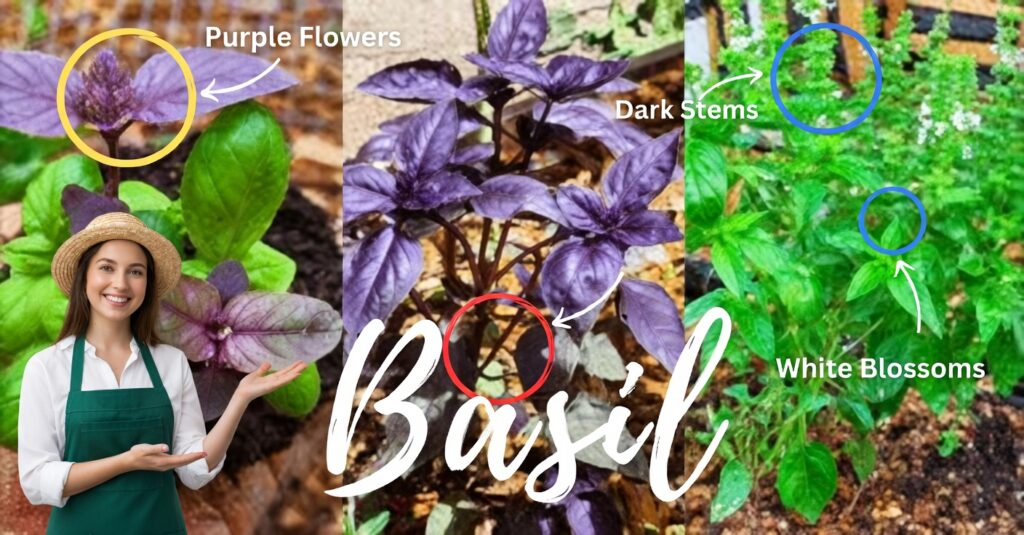
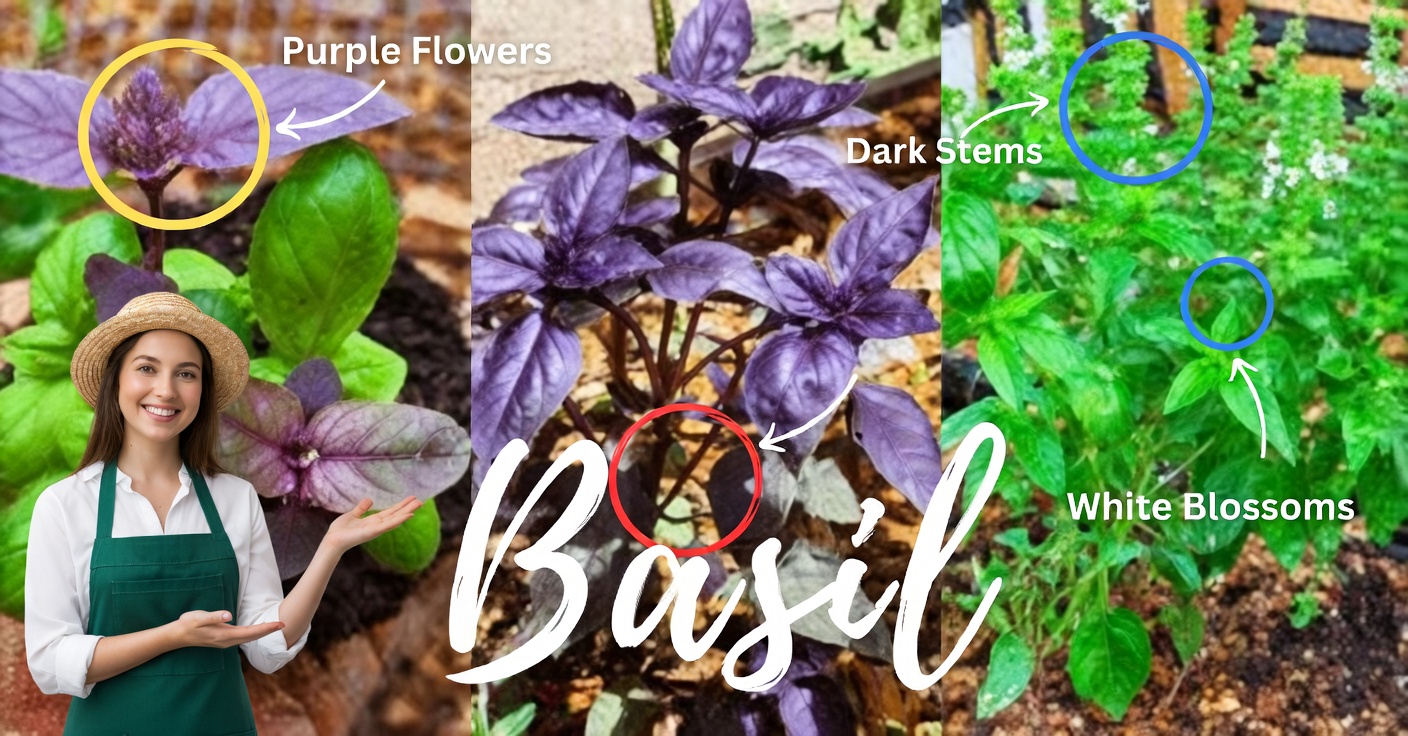
Purple Basil (Tulsi): Properties and 3 Medicinal Uses
Purple basil, also known as purple tulsi or holy basil (Ocimum tenuiflorum), is an aromatic herb highly valued for its strong healing potential. For centuries, it has been a key ingredient in Ayurvedic medicine and traditional Latin American remedies, used to ease both physical discomfort and emotional tension.
Rich in antioxidants, essential oils, and phytonutrients, purple basil works as a natural anti-inflammatory, digestive aid, antimicrobial, mild sedative, and adaptogen that helps the body cope with stress. Below you’ll find three simple home remedies to harness its benefits: a digestive tea, a homemade cough syrup, and a soothing balm for muscle and joint pain.
1. Purple Basil Infusion: For Digestion and Stress Relief
Ingredients
- 1 cup of water
- 5 fresh purple basil leaves (or 1 teaspoon dried)
- 1 teaspoon honey (optional)
- 1 slice of lemon (optional)
Preparation
- Bring the cup of water to a boil, then remove from heat.
- Add the purple basil leaves and cover the pot or cup.
- Let the infusion steep for about 10 minutes so the active compounds are released.
- Strain and, if desired, sweeten with honey and add the lemon slice to enhance the flavor.
How to Take It
- Drink 1 cup on an empty stomach to gently activate the digestive system.
- Have another cup before bed if you want to unwind and promote deeper sleep.
Recommended Duration
Use daily for 7 to 14 consecutive days. Afterward, take a one‑week break before repeating the cycle if needed.
Main Benefits
- Supports digestion and helps reduce intestinal inflammation.
- Helps calm stress, anxiety, and mild insomnia.
- Contributes to better metabolism and assists in the natural elimination of toxins.
2. Purple Basil Syrup: For Coughs and Colds
Ingredients
- 1 cup fresh purple basil leaves
- 1 cup raw, pure honey
- Juice of 1 lemon
Preparation
- Wash the purple basil leaves thoroughly and crush or grind them to extract their juice.
- Combine the basil juice with the honey and lemon juice in a glass jar.
- Seal the jar and refrigerate for at least 12 hours to allow the ingredients to integrate.
How to Use
- Adults: 1 teaspoon, 3 times per day (morning, afternoon, and evening).
- Children over 6 years old: ½ teaspoon per dose, with the same frequency.
Recommended Duration
Take for 5 to 10 days in a row. Do not use continuously for more than 10 days.
Main Benefits
- Helps relieve both dry and productive (phlegmy) coughs.
- Assists in decongesting the respiratory tract.
- Supports and strengthens the immune system.
- Reduces throat irritation and inflammation.
3. Purple Basil Ointment: For Muscle and Joint Pain
Ingredients
- 10 fresh purple basil leaves
- 2 tablespoons coconut oil
- 1 teaspoon beeswax
Preparation
- Crush or finely chop the basil leaves.
- Place the leaves and coconut oil in a small pan and heat over very low heat for about 10 minutes, without boiling.
- Add the beeswax and stir until it is completely melted and well incorporated.
- Strain the mixture while still warm and pour into a clean glass container. Let it cool and solidify.
How to Apply
- Massage a small amount onto the affected area twice a day.
- Best used in the morning and again before bedtime for continuous relief.
Recommended Duration
Apply consistently for 7 to 15 days. Store the ointment in a cool place; it will keep for up to 1 month.
Main Benefits
- Eases muscular, tension-related, and joint pain.
- Helps reduce minor inflammation (for example, mild sprains).
- Nourishes, softens, and supports the regeneration of the skin.
10 Additional Health Benefits of Purple Basil
Regular, moderate use of purple basil (holy basil, tulsi) may also help:
- Improve digestion and reduce abdominal cramps or colic.
- Lower perceived stress and enhance overall mood.
- Strengthen the immune system’s natural defenses.
- Fight free radicals thanks to its antioxidant compounds.
- Support cardiovascular health.
- Soothe flu symptoms and help clear the airways.
- Prevent or reduce minor oral infections and support oral hygiene.
- Promote deeper, more restorative sleep.
- Contribute to healthier blood sugar regulation.
- Increase mental clarity, focus, and concentration.
Key Properties of the Ingredients
| Ingredient | Main Properties |
|---|---|
| Purple basil | Antioxidant, digestive, calming, adaptogenic, antibacterial |
| Honey | Cough‑soothing, wound‑healing, antimicrobial, energizing |
| Lemon | Alkalizing, detoxifying, high in vitamin C |
| Coconut oil | Moisturizing, anti-inflammatory, antimicrobial |
| Beeswax | Emollient, protective, supports skin repair and regeneration |
Precautions and Safety Tips
- Avoid excessive consumption of purple basil, as high doses may cause nausea or interfere with certain medications.
- Do not use during pregnancy or breastfeeding without consulting a healthcare professional.
- Purple basil may interact with blood thinners and blood pressure medications; seek medical advice if you take these.
- For topical use, perform a small patch test on the skin first to rule out allergic reactions before applying over larger areas.
Conclusion
Purple basil is far more than a fragrant culinary herb—it is a powerful natural ally for physical, mental, and emotional well‑being. Thanks to its broad range of medicinal properties, you can safely and effectively incorporate it into simple home remedies to support your health.
By adding these natural recipes—a soothing infusion, a cough syrup, and a pain-relieving ointment—to your daily routine, you can experience the benefits of this sacred plant. Your body and mind will respond with greater balance, resilience, and vitality.