Bay Leaves for Skin: What They May Really Do and How to Use Them Safely
As time passes, many people begin to notice shifts in their skin’s texture, elasticity, and overall glow. Between sunlight, pollution, stress, and the natural aging process, skin can start to feel less supple and lively. That is why so many people look for gentle, nature-based ways to support skin wellness in everyday life.
One ingredient that often comes up in these conversations is the bay leaf, a common kitchen herb with a long history of traditional use. Online, it is often presented as a simple answer for better-looking skin. But while these claims can sound exciting, the reality is more balanced. Bay leaves may have some supportive properties, yet they are not a miracle solution. Later in this article, you will also find a safe and easy method to try at home.
The Truth Behind Viral Bay Leaf Skincare Claims
If you spend time on social media, you have probably come across posts praising bay leaves, also called laurel leaves, for their supposed effects on skin appearance. These viral trends often include dramatic before-and-after photos and bold promises that can make the herb seem almost transformative.
The reason these stories gain traction so quickly is simple: people are always searching for easy, natural additions to their self-care routines. Still, popular claims deserve careful review. It is important to distinguish traditional uses and early research from internet hype.
A closer look shows that much of the online excitement is built on personal testimonials and unconfirmed statements rather than strong clinical evidence. That does not mean bay leaves are useless. In fact, they have been valued in many cultures for centuries. It simply means they should be explored thoughtfully, with realistic expectations.
What Science Says About the Antioxidant Content of Bay Leaves
Scientific reviews, including research discussed in journals such as Antioxidants, have examined the compounds found in Laurus nobilis, the botanical name for bay leaves. These studies point to the presence of polyphenols and other plant compounds that may help the body deal with oxidative stress caused by everyday environmental exposure.
This matters because skin constantly faces stress from factors like UV rays and pollution. Understanding the antioxidant activity of bay leaves helps explain why they have remained part of traditional wellness practices.
Early laboratory findings suggest that bay leaf compounds may offer soothing and protective qualities when used topically. However, research involving humans is still limited. So while bay leaves may complement a skincare routine, they should not be seen as a replacement for proven skincare basics.
Bay Leaf Compounds That May Benefit Skin Wellness
Bay leaves contain several natural substances that have attracted attention in phytochemical research. Some of the most commonly discussed include:
- Polyphenols and flavonoids: These antioxidant compounds may help reduce the impact of free radicals, which are associated with visible signs of environmental skin stress.
- Eugenol and cineole: Found in bay leaf essential oils, these compounds have shown mild anti-inflammatory potential in some in-vitro studies.
- Vitamins and minerals: Bay leaves contain trace levels of nutrients, including vitamin C, which contribute to their broader plant profile.
- Tannins: In diluted preparations, tannins may produce a gentle tightening or toning effect that has been appreciated in some traditional skin routines.
These components help explain why bay leaves have continued to appear in home wellness practices over generations. Even so, individual results can vary, and more research is needed to better understand their effects on skin.
Traditional Uses of Bay Leaves in Skincare Around the World
In parts of the Mediterranean and Asia, bay leaves have long been used in simple home care rituals. A common method involves simmering the leaves in water to make an herbal infusion, which is then used as a rinse or compress after cleansing.
These traditions are not centered on dramatic promises. Instead, they focus on comfort, freshness, and gentle support. That practical, everyday approach is part of what makes bay leaves appealing even now.
What is especially interesting is how similar these uses are across different cultures. Beyond cooking, bay leaves have been appreciated for their aroma and calming qualities in personal care. This long-standing cultural history gives context to their place in modern natural skincare routines.
How to Make a Simple Bay Leaf Infusion at Home
If you want to try bay leaves as part of your routine, a mild infusion is one of the easiest and safest methods. Many people use it as a light facial toner or refreshing rinse. Start cautiously and watch how your skin reacts.
Step-by-step bay leaf infusion
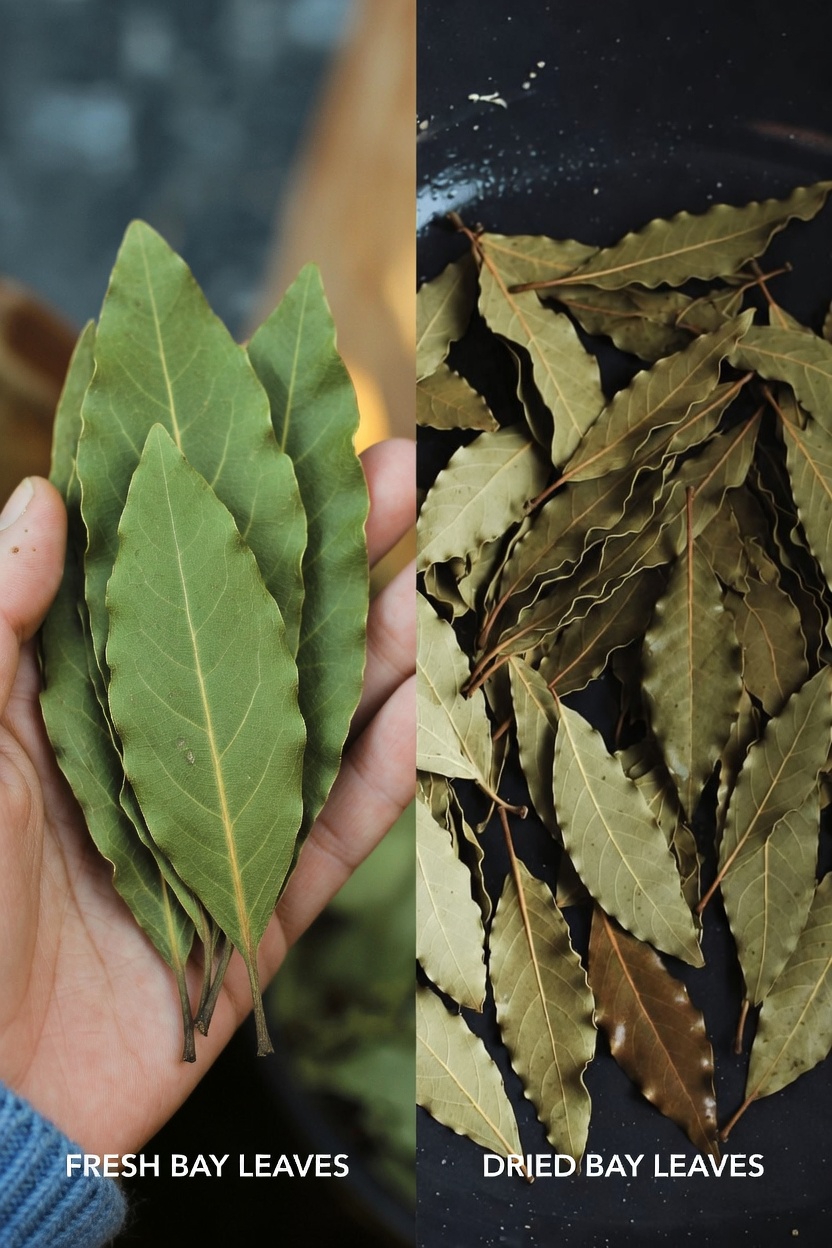
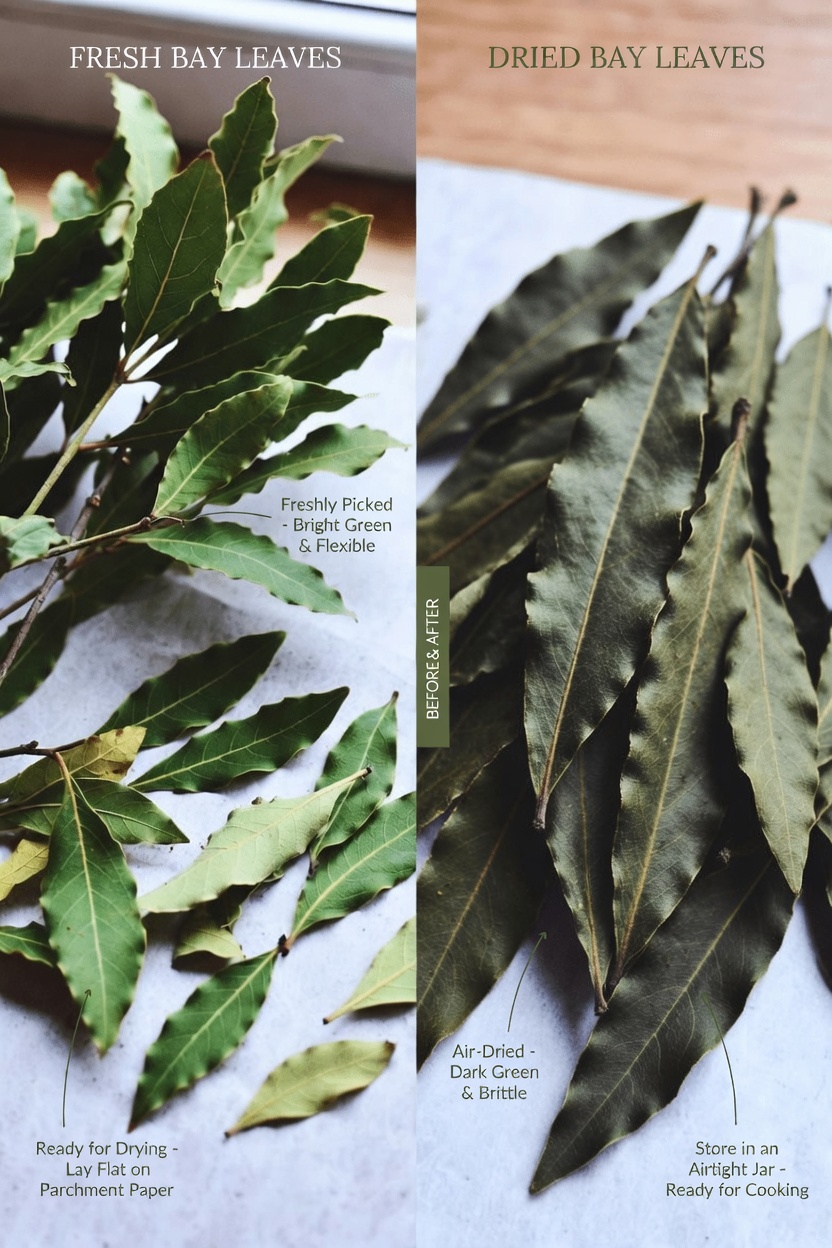
- Use 4 to 5 fresh or dried bay leaves from a reliable source. Make sure they are clean and free from additives.
- Add the leaves to a small pot with 2 cups of distilled water.
- Bring the mixture to a gentle boil and let it simmer for 5 to 10 minutes.
- Remove it from the heat and allow it to cool fully for at least 30 minutes, until it reaches room temperature.
- Strain the liquid into a clean jar or spray bottle.
- Store it in the refrigerator and use it within one week.
- After cleansing, apply the cooled infusion with a cotton pad or use it as a light mist, avoiding the eye area.
This preparation takes very little time and can fit easily into an evening skincare routine. Many people enjoy the soft herbal scent and the refreshed feeling it leaves behind.
Tips to Use Bay Leaves More Effectively
To keep your routine gentle and practical, consider these helpful habits:
- Follow with a moisturizer to help maintain hydration after using the infusion.
- Patch test first on the inner arm for 24 hours before applying it to the face.
- Wear sunscreen every day, since no natural ingredient can replace proper sun protection.
- Support skin from within by eating a balanced diet rich in fruits and vegetables.
These simple steps can help make your experience safer and more consistent.
Safety Precautions You Should Not Ignore
Although bay leaves are generally considered safe in food, skin application requires more care. Some people may be sensitive to the plant, especially if they have allergies related to the laurel family. Also, bay leaf essential oil should never be applied directly to the skin without proper dilution, as it may cause irritation.
Watch for these warning signs
- Redness, itching, or burning after use — stop immediately and rinse the area well.
- Do not apply to broken skin or close to the eyes.
- Talk to a dermatologist if you have eczema, reactive skin, or a known skin condition.
- Pregnant or breastfeeding individuals should seek professional advice before trying new topical remedies.
The safest approach is always to begin slowly and pay close attention to how your skin feels.
How Bay Leaves Compare to Other Natural Skincare Ingredients
When compared with familiar kitchen herbs like rosemary or chamomile, bay leaves offer their own unique antioxidant profile and a distinctive fragrance that some people prefer in homemade toners or rinses.
Still, it is important to keep expectations realistic. Bay leaves, like other herbs, are supportive ingredients rather than miracle solutions. Their greatest strengths are accessibility, simplicity, and ease of use. They can be a low-effort addition to a broader routine that includes cleansing, moisturizing, and daily sun protection.
Why Bay Leaves May Fit Easily Into Daily Self-Care
Adding bay leaves to your routine does not require a major lifestyle change. Making a quick herbal infusion once a week or using it as an occasional rinse can become a calming self-care ritual. For many people, the appeal is not only in the ingredient itself, but in the sense of mindfulness it brings to skincare.
Over time, some find that using natural ingredients helps them feel more connected to simple wellness habits. Bay leaves may not transform skin overnight, but they can be a gentle, affordable, and thoughtful addition to a balanced skincare routine.