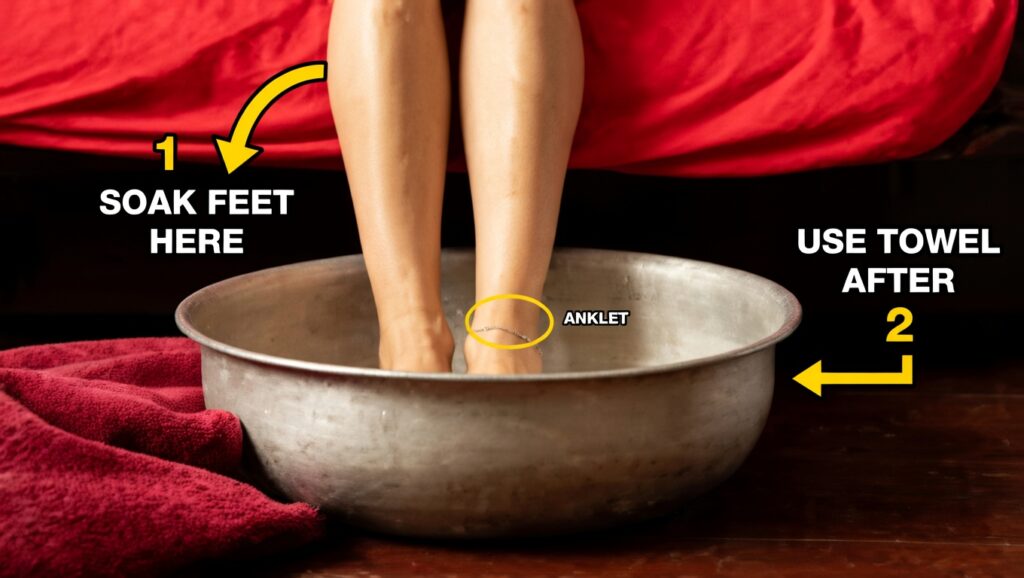
Apple Cider Vinegar Foot Soak: Benefits and Easy Step-by-Step Guide
A foot soak with vinegar is an age-old remedy that has become popular again thanks to its proven wellness benefits. From easing tired feet to helping fight fungal infections, this simple ritual can completely change how your feet feel and look.
If you struggle with foot odor, cracked heels, swelling, or recurring infections, soaking your feet in a warm vinegar solution for about 15 minutes may be exactly what you need. Below you’ll find how to prepare it, how often to use it, and why it’s worth adding to your weekly self-care routine.
How to Make a Vinegar Foot Soak
Ingredients
- 1 cup of raw, unfiltered apple cider vinegar
- 1 cup of warm water (adjust the amount to fit your basin)
- (Optional) 3 drops of tea tree or lavender essential oil
- (Optional) 1 tablespoon of Epsom salt or sea salt
- A comfortable basin or tub large enough for both feet
- A towel and a natural moisturizer (such as aloe vera gel or coconut oil)
Step-by-Step Instructions
-
Clean your feet first
Wash your feet with mild soap and water to remove dirt, sweat, and oils. This helps the solution work more effectively. -
Prepare the basin
Choose a container deep enough so the water can cover your feet up to the ankles. -
Warm the water
Heat the water until it is pleasantly warm to the touch, but not hot enough to burn or cause discomfort. -
Add the vinegar
Pour equal parts apple cider vinegar and warm water into the basin and mix gently. -
Include the optional ingredients
Add essential oils for extra relaxation and antimicrobial support, and salts to enhance detoxifying and soothing effects. -
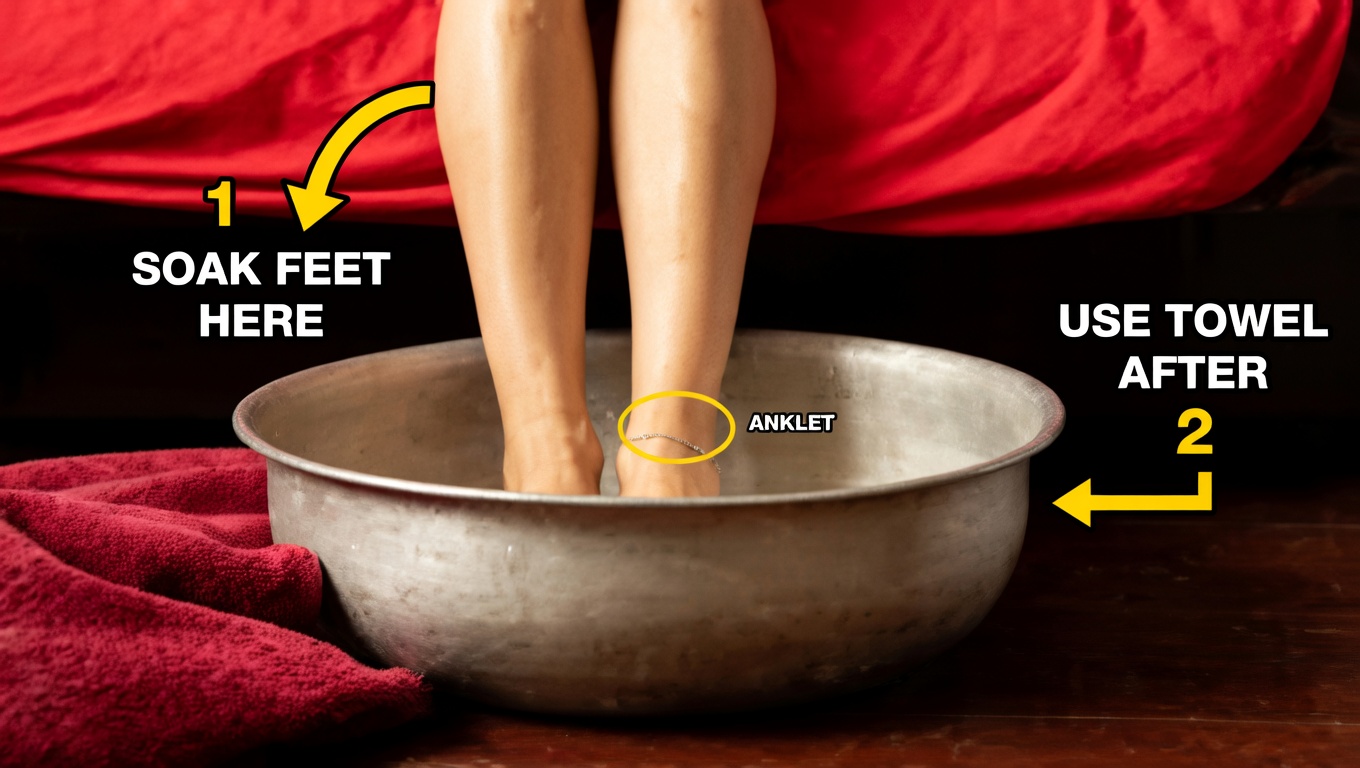
Soak your feet
Place your feet in the mixture and relax for 15–25 minutes. Breathe deeply and allow your muscles to unwind. -
Dry thoroughly
Remove your feet from the soak and dry them carefully, paying special attention to the spaces between the toes. -
Finish with hydration
Apply a natural cream or oil to lock in moisture and keep the skin soft and supple.
How Often Should You Do a Vinegar Foot Bath?
-
For general care and maintenance:
Use the soak 2–3 times per week to keep your feet clean, refreshed, and healthy. -
For intensive care (odor, fungus, or persistent issues):
You can soak daily for about one week, then gradually reduce to a maintenance schedule of a few times a week.
What Is the Best Time of Day for a Vinegar Foot Soak?
The ideal time is in the evening, before going to bed. A warm vinegar foot bath relaxes the muscles, calms the nervous system, and can help you drift into deeper, more restorative sleep.
25 Benefits of a Vinegar Foot Soak
A regular apple cider vinegar foot bath can support your feet and overall well-being in many ways:
- Helps reduce toenail and foot fungus
- Softens rough skin, calluses, and hard patches
- Eases swelling and inflammation in the feet and ankles
- Neutralizes unpleasant foot odor
- Gradually lightens dark spots and discoloration
- Supports healthy blood circulation in the feet
- Relaxes tight muscles, tendons, and ligaments
- Contributes to stronger, more resilient toenails
- Aids the body’s natural detoxification processes
- Soothes itching, burning, and irritation
- Stimulates reflexology points on the soles of the feet
- Helps prevent cracked heels and flaking skin
- Fights dryness and keeps the skin more hydrated
- Can assist in reducing certain types of warts on the feet
- Provides relief for discomfort related to plantar fasciitis
- Revives and cools tired, overworked feet
- Improves overall skin texture and smoothness
- Promotes relaxation, lowering stress and anxiety levels
- Supports cell renewal and skin regeneration
- Helps prevent infections caused by tight or sweaty footwear
- Gives a gentle boost to the immune system
- Balances the skin’s pH on the feet
- Encourages faster healing of minor cuts and abrasions
- May help reduce fluid retention in the feet and ankles
- Contributes to better, more restful sleep at night
Key Properties of Apple Cider Vinegar
Apple cider vinegar contains a combination of compounds that make it particularly effective for foot soaks:
- Acetic acid: A natural antibacterial and antifungal agent
- B vitamins: Support skin health and cellular energy
- Polyphenols: Powerful antioxidants that protect against oxidative damage
- Minerals: Including calcium, potassium, and magnesium to help strengthen tissues
- Active enzymes: Aid in removing impurities and encouraging skin renewal
Important Precautions and Safety Tips
- Avoid using the soak if you have open wounds, active bleeding, or extremely sensitive skin on your feet.
- Always perform a patch test on a small area of skin before trying a full foot bath, especially if you have allergies or reactive skin.
- Do not use a vinegar foot soak every single day for longer than 10 consecutive days.
- People with diabetes or serious circulatory issues should consult their doctor before trying any foot soak, including vinegar.
- Stop using the soak immediately if you notice redness, irritation, or a burning sensation that does not subside.
Final Thoughts
A vinegar foot soak is more than a simple home remedy—it is a powerful form of self-care that supports skin health, circulation, and immune function. With minimal ingredients and effort, you can turn this practice into a weekly ritual that nurtures your body and mind.
By taking a few minutes to care for your feet, you will likely notice improvements not only in how they look and feel, but also in your overall sense of relaxation, cleanliness, and vitality. Make this simple soak your personal healing ritual and enjoy the benefits from the ground up.