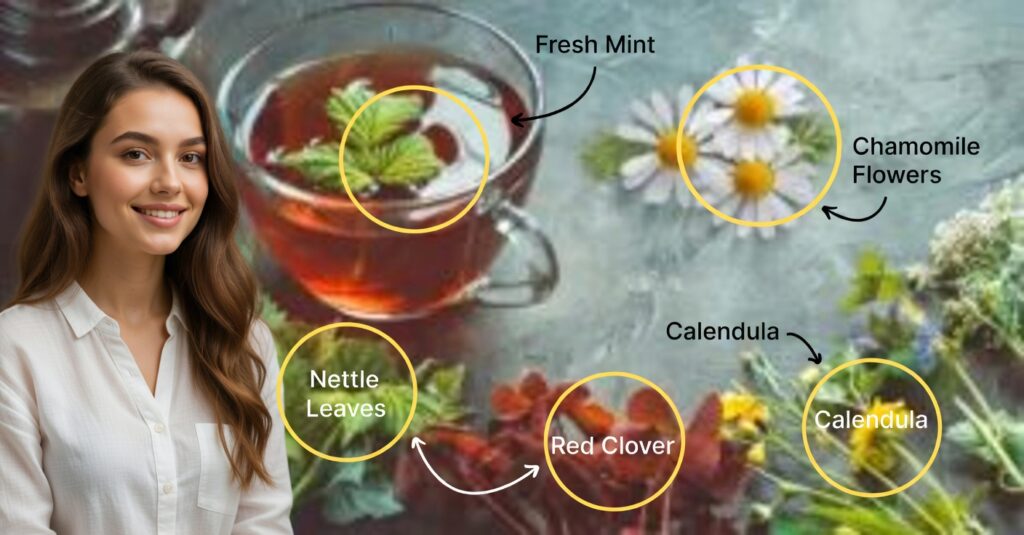
Digestive Herbs: Reduce Bloating and Support a Healthier Stomach
Digestive herbs are a gentle, natural way to ease common discomforts such as bloating, gas, cramping, and sluggish digestion. Many people experience stomach issues due to stress, poor diet, or high intake of fatty foods. If you are looking for mild yet effective solutions, medicinal plants can support your digestive health with minimal side effects.
Below you’ll find 5 powerful herbs for digestion that you can easily add to your daily routine for a lighter, more comfortable stomach.
Key Benefits of Herbs for Digestion
Digestive phytotherapy—using medicinal plants to address gut and stomach problems—has been part of traditional medicine in many cultures for centuries. These herbs can help:
- Stimulate bile production
- Relax the muscles in the intestines
- Promote the release of trapped gas
- Ease cramps and intestinal spasms
- Protect the stomach lining
- Support more efficient stomach emptying
The secret is to choose the right herb based on the specific digestive symptom you want to relieve.
1. Chamomile: Soothing and Digestive Calming Herb
Chamomile is one of the most popular herbal teas for digestive complaints. Thanks to its anti-inflammatory and antispasmodic properties, it helps relax the muscles of the digestive tract and ease discomfort.
Digestive benefits:
- Relieves cramps and stomach spasms
- Reduces stress, which often worsens digestion
- Promotes better sleep, indirectly supporting digestive balance
How to use it:
Prepare an infusion using 1 tablespoon of dried chamomile flowers in a cup of hot water. Let it steep for about 10 minutes, then drink it warm, ideally after meals or before bedtime.
2. Peppermint: Great for Gas, Bloating, and Fullness
Peppermint contains menthol, a compound that relaxes the smooth muscles of the digestive tract. This action helps gas move more easily and reduces the feeling of heaviness after eating.
Digestive benefits:
- Helps eliminate excess gas
- Reduces bloating and abdominal distension
- Stimulates bile flow to improve fat digestion
How to use it:
You can drink peppermint as a tea made from fresh or dried leaves. It’s also available in capsules or as essential oil. Peppermint essential oil should be used externally (for example, diluted in a carrier oil and massaged on the abdomen), not ingested unless under professional guidance.
3. Ginger: Natural Booster for Slow Digestion
Ginger root is widely used in natural medicine for its anti-inflammatory and carminative (gas-reducing) effects. It is especially useful for people who suffer from slow digestion, nausea, or motion sickness.
Digestive benefits:
- Stimulates gastric juices and digestive enzymes
- Helps break down heavy or fatty meals
- Reduces nausea, dizziness, and motion sickness
How to use it:
Slice or grate a piece of fresh ginger and simmer it in water for about 5 minutes to make a tea. You can also add ginger to smoothies, soups, stir-fries, or drink it as an infusion after meals.
4. Licorice (DGL): Protects the Stomach and Eases Discomfort
Deglycyrrhizinated licorice (DGL) is a form of licorice that has had most of the glycyrrhizin removed, making it safer for people who need to watch their blood pressure. DGL is known for its protective effect on the stomach lining.
Digestive benefits:
- Forms a soothing, protective layer over the stomach lining
- Helps reduce heartburn and acid irritation
- Eases symptoms related to reflux and mild gastritis
How to use it:
DGL is commonly sold as chewable tablets. They are usually taken 15–20 minutes before meals to prepare and protect the stomach. This makes it a good option for people with sensitive digestion.
5. Dandelion: Cleansing Herb for Liver and Fat Digestion
Dandelion is often recognized for its gentle diuretic effect, but it is also an excellent digestive plant. It supports the liver and helps the body process fats more efficiently by stimulating bile production.
Digestive benefits:
- Increases bile flow from the liver and gallbladder
- Supports the digestion of rich, heavy meals
- Aids natural liver detoxification processes
How to use it:
You can drink dandelion as an infusion made with dried leaves, or use the young fresh leaves in salads. Dandelion is also available in capsule form and as liquid extracts.
How to Use Digestive Herbs Safely
Even though these plants are natural, they should still be used with care. Keep in mind the following recommendations:
- Introduce one herb at a time to observe how your body responds
- Avoid drinking more than 2 cups of strong herbal tea per day unless advised otherwise
- Talk to your doctor if you are pregnant, breastfeeding, or taking prescription medications
- Do not combine many herbs at once without professional guidance, as some may interact
- If you have ulcers, severe reflux, or chronic gastrointestinal disease, seek medical advice first
Conclusion: Support Your Gut with Digestive Plants
Digestive herbs offer an accessible, natural, and effective way to care for your stomach. Whether you struggle with gas, slow digestion, or discomfort after eating, these plants can help you feel lighter and more at ease.
Incorporating chamomile, peppermint, ginger, licorice (DGL), or dandelion into your daily routine—especially as herbal infusions—can make a noticeable difference in your digestive comfort. Always remember that “natural” still requires respect: use these remedies consciously and, when in doubt, consult a health professional.