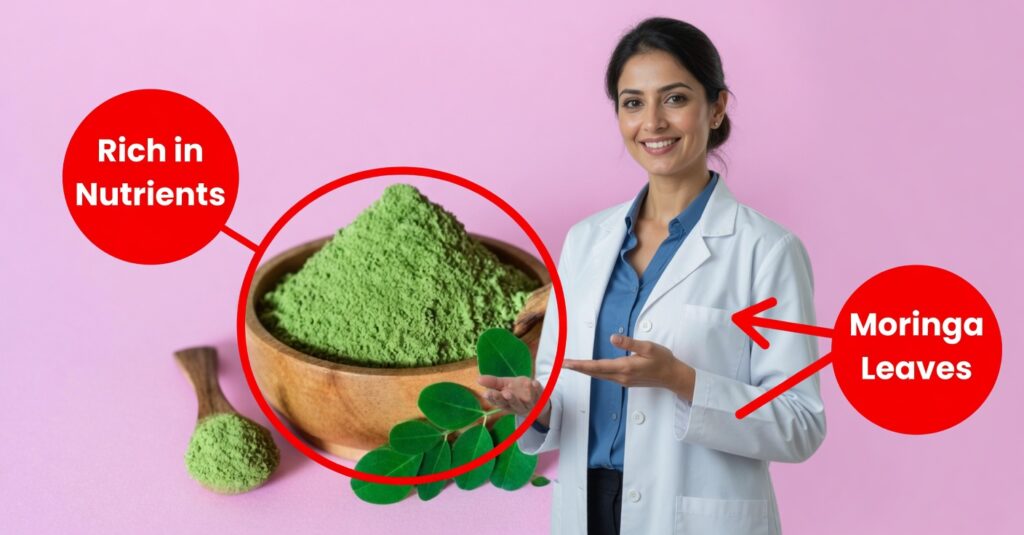
Moringa: Properties, Uses and Medicinal Recipes
Moringa, often called the “miracle tree,” is a plant native to northern India that has spread across the globe thanks to its remarkable nutritional and medicinal potential. For centuries it has been a cornerstone of traditional medicine, used to support overall vitality and address a wide range of health complaints.
Today, modern research backs many of the traditional claims about moringa, and it is now considered one of the most powerful superfoods available. Its leaves, seeds, roots and flowers can all be used to prepare teas, smoothies, oils and other natural remedies that help promote general well‑being.
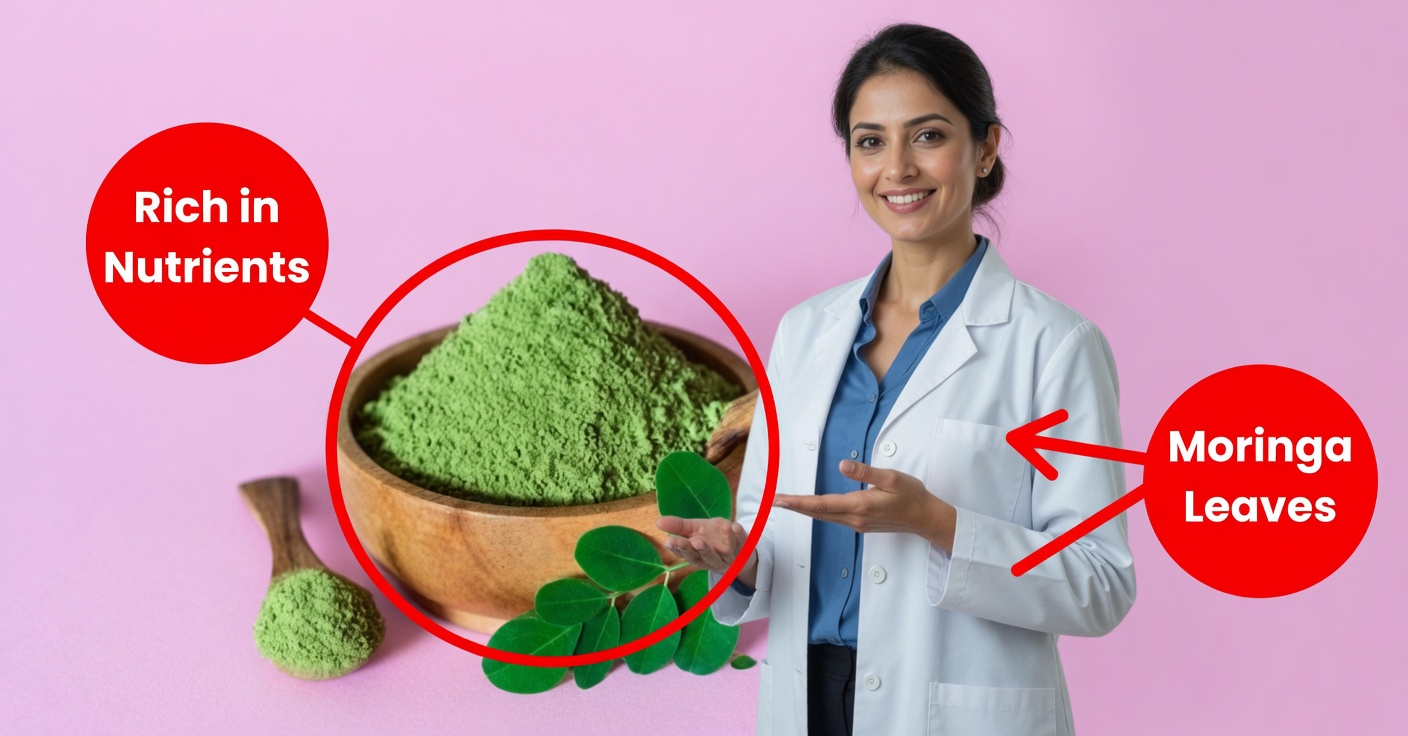
Nutritional properties of moringa
What makes moringa stand out is its exceptional nutrient density. Traditional comparative data highlight how concentrated its micronutrients can be:
- It provides about 25 times more iron than spinach, making it a strong ally against iron‑deficiency anemia.
- It contains roughly 17 times more calcium than milk, supporting strong bones and teeth.
- It offers 15 times more potassium than bananas, which is beneficial for the nervous system and muscle function.
- It delivers 10 times more vitamin A than carrots, essential for vision, skin health and immune function.
- It contains about 4 times more protein than eggs, a valuable option for people following plant‑based diets.
- And even though the difference is smaller, it still supplies around 0.75 times more vitamin C than oranges, helping to support immune defenses.
Thanks to this impressive nutritional profile, moringa is often recommended in cases of weakness, chronic fatigue, low appetite, digestive discomfort and as a supportive addition to diets aimed at weight management or blood sugar control, including type 2 diabetes.
What is moringa used for? Main health benefits
Moringa’s medicinal uses are broad, and its versatility makes it useful for many aspects of health. Some of the most commonly cited benefits of moringa include:
- Immune support: Its high levels of antioxidants, vitamins and minerals help reinforce the immune system.
- Digestive health: Moringa may aid toxin elimination and support regular bowel movements.
- Anti‑inflammatory and pain relief effects: Traditionally used for arthritis, muscular pain and localized swelling.
- Blood sugar regulation: It can help stabilize glucose levels, which is particularly relevant for people with type 2 diabetes (always under medical guidance).
- Anemia support: Its rich iron content contributes to the formation of red blood cells.
- Cardiovascular health: It may help reduce cholesterol levels and support heart and blood vessel function.
- Natural energy booster: Many people report increased vitality without relying on artificial stimulants like energy drinks.
How to consume moringa
There are many practical ways to incorporate moringa into your daily routine:
- Fresh or dried leaves: Ideal for herbal teas, soups, or to sprinkle over dishes.
- Moringa powder: Easy to add to smoothies, juices, yogurt, or to take in capsule form.
- Moringa oil: Used both in cooking (in small amounts) and in cosmetics for skin and hair care.
- Moringa seeds: Can be eaten in moderation or used traditionally to help clarify water.
A common guideline is to take 1 to 2 teaspoons of moringa powder per day. For infusions, one cup in the morning or evening is usually enough. As with any natural remedy, it is wise to begin with a small amount and observe how your body responds before increasing the dose.
Simple homemade moringa recipes
Below are some easy, practical recipes to enjoy the benefits of moringa in your everyday life.
1. Moringa infusion to strengthen the body
Ingredients:
- 1 tablespoon dried moringa leaves
- 1 cup hot water
- Honey or lemon, to taste (optional)
Preparation:
- Bring the water to a boil and remove it from the heat.
- Add the moringa leaves, cover and let steep for about 10 minutes.
- Strain and sweeten with honey or add lemon if desired.
- Drink one cup per day.
Best for: Supporting immune function and gently helping the liver’s natural detox processes.
2. Energizing moringa smoothie
Ingredients:
- 1 teaspoon moringa powder
- 1/2 ripe banana
- 1 glass pineapple or orange juice
- 1 tablespoon oats
- 1 teaspoon honey (optional)
Preparation:
- Combine all ingredients in a blender.
- Blend until smooth and creamy.
- Drink at breakfast or as a mid‑morning snack.
Best for: Increasing energy levels, supporting digestion and providing a concentrated dose of nutrients.
3. Moringa and lemon detox drink
Ingredients:
- 1 teaspoon moringa powder
- Juice of 1 lemon
- 1 glass lukewarm water
Preparation:
- Add the moringa powder and lemon juice to the warm water.
- Stir thoroughly until the powder is fully dispersed.
- Drink on an empty stomach for 7 to 10 consecutive days.
Best for: Supporting the body’s natural detoxification, reducing fluid retention and promoting clearer skin.
4. Natural moringa oil ointment
Ingredients:
- 2 tablespoons moringa oil
- 1 teaspoon beeswax
- 5 drops lavender essential oil (optional)
Preparation:
- Melt the beeswax in a double boiler over low heat.
- Add the moringa oil and mix well until fully combined.
- Remove from heat, add lavender essential oil if using, and stir again.
- Pour into a clean glass jar and allow to cool until solid.
How to use:
Apply a small amount to dry or rough skin, fine lines, stretch marks or areas of minor inflammation.
Precautions and contraindications
Although moringa is generally considered safe for most people when used in moderate amounts, there are some important considerations:
- Pregnancy: Pregnant women should not use moringa without medical supervision, as certain parts of the plant may stimulate uterine contractions.
- Excess intake: High doses can have a laxative effect or cause digestive discomfort in some individuals.
- Medication interactions: If you are taking anticoagulants, blood pressure medications, or drugs for blood sugar control, consult your doctor before using moringa regularly.
Recommended reading
- Pine Infusion: Benefits and How to Prepare It
- Helichrysum arenarium: Benefits and How to Use It at Home
Conclusion
Moringa is truly one of nature’s most valuable gifts. Nutrient‑dense, versatile and easy to incorporate into everyday life, it can help support health in a natural and holistic way. Whether you prefer it as a tea, smoothie, supplement or ointment, this “miracle tree” deserves a place in your natural medicine cabinet.
If you want to revitalize your body, fortify your immune system and care for your health with plant‑based remedies, moringa is an excellent ally to start using today.