Kalanchoe: Benefits, Uses and How to Take It Safely
Kalanchoe is gaining attention in natural medicine for its wide range of traditional uses. This succulent plant, often called “air plant,” “Goethe’s plant” or “leaf of life,” comes from Madagascar and is appreciated not only as an ornamental houseplant but also for its reported healing properties. Grown mainly in tropical and subtropical regions, it has long been used in folk remedies for wounds, infections and internal ailments, and is currently being studied for its potential regenerative and anti-tumor effects.
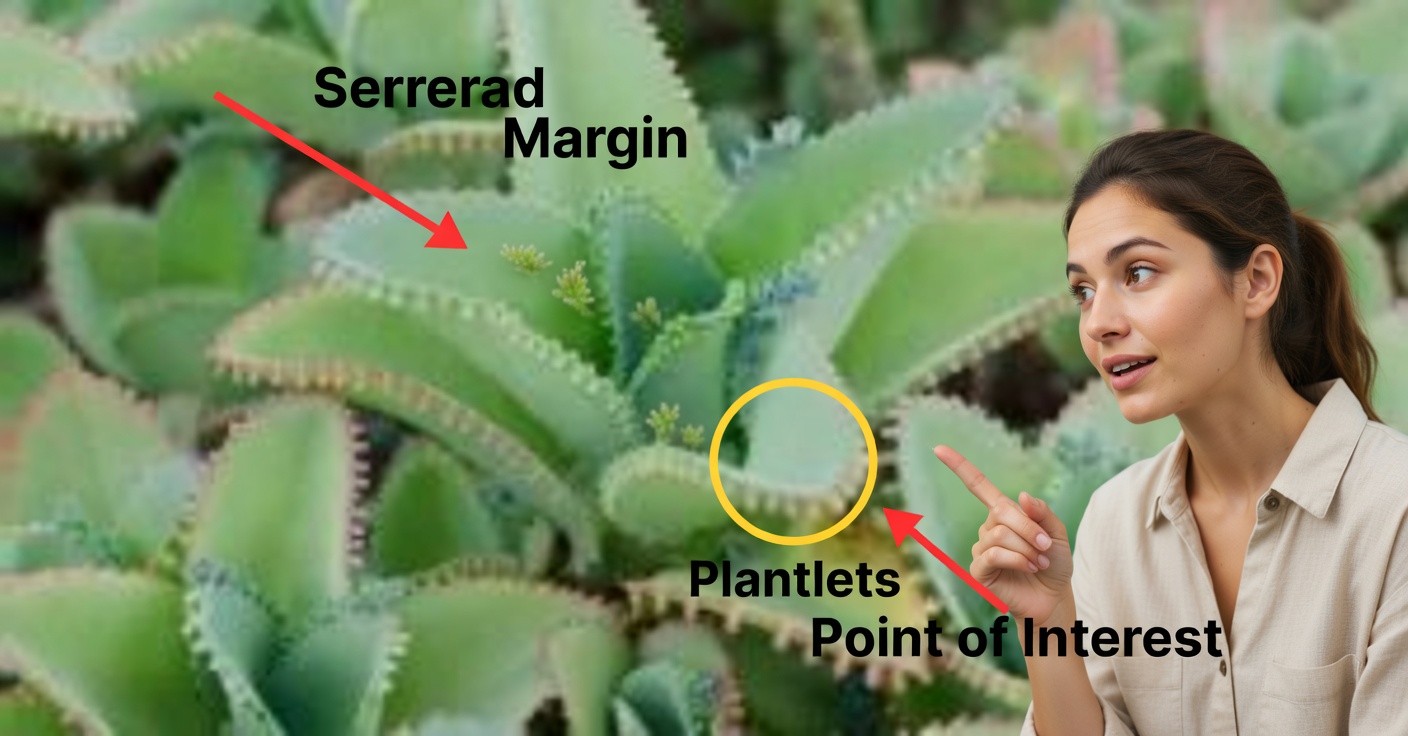
The species most commonly used for therapeutic purposes are Kalanchoe pinnata, Kalanchoe daigremontiana and Kalanchoe gastonis-bonnieri. These varieties contain flavonoids, triterpenes, bufadienolides and other antioxidant compounds that are associated with anti-inflammatory, immune-supporting and wound-healing activities in traditional use and experimental research.
Important: Evidence in humans is still limited. Kalanchoe should not be used as a substitute for medical treatment. Always consult a qualified health professional before using it for therapeutic purposes, especially if you have a medical condition or take medication.
15 Potential Benefits of Kalanchoe
Below are traditional and experimentally observed benefits of Kalanchoe. Many come from lab or animal studies rather than large human trials, so they should be viewed as complementary, not as proven cures.
1. Natural Anti-Inflammatory Support
Kalanchoe extracts are traditionally used to soothe muscle, joint and skin inflammation. People commonly apply or consume it to ease discomfort associated with conditions such as arthritis, tendon issues and long-lasting pains. Research attributes this effect to its flavonoids and other plant compounds with anti-inflammatory potential.
2. Potential Anti-Tumor Activity
Laboratory studies suggest certain Kalanchoe species may slow the growth of cancer cells in test tubes, particularly in breast, liver and colon cancer cell lines.
However:
- These results come mainly from in vitro (lab) research and some animal studies.
- There is no solid clinical evidence that Kalanchoe can cure or control cancer in humans.
It should never replace standard oncology treatments.
3. Immune System Support
The antioxidants and bioactive components in Kalanchoe may help support the immune system, potentially making the body more resilient against infections. Traditional practices use it to help the body defend itself during periods of fatigue, seasonal changes or convalescence.
4. Antibacterial and Antiviral Properties
In traditional herbal medicine and experimental studies, Kalanchoe has shown activity against some bacteria and viruses, including microorganisms like E. coli and Staphylococcus aureus, as well as certain respiratory viruses. This suggests it may support your body’s natural defenses, especially when used alongside professional medical care.
5. Tissue Regeneration and Wound Healing
Applied directly to the skin, Kalanchoe leaves or preparations are traditionally used to:
- Accelerate the healing of cuts and wounds
- Soothe minor burns and ulcers
- Support the repair of skin lesions and sores
Its regenerative reputation likely comes from its antioxidant and anti-inflammatory profile, which may help the skin’s natural repair processes.
6. Mild Natural Pain Relief
Kalanchoe has been used as a plant-based pain reliever for:
- Headaches
- Menstrual cramps
- Muscle aches
While the mechanisms are still being investigated, users seek it as a gentler alternative to conventional painkillers. Scientific confirmation in humans is still limited, so it should not replace prescribed analgesics without medical guidance.
7. Respiratory System Support
Traditionally, Kalanchoe is valued as a respiratory aid, used as:
- A natural expectorant to help expel mucus
- Support in cases of coughs, bronchitis, asthma and sinus congestion
Again, this is based largely on folk use and early research. People with chronic respiratory diseases should always follow their doctor’s advice first.
8. Skin Health and Appearance
Taken internally or used on the skin, Kalanchoe is believed to help:
- Reduce blemishes and dark spots
- Calm acne and rashes
- Ease redness and irritation
Its antioxidants and anti-inflammatory compounds may contribute to a clearer, calmer complexion when used as part of a broader skincare approach.
9. Reduction of Anxiety and Stress
Some traditional applications of Kalanchoe involve using it as a mild calming aid. Certain constituents are thought to have a gentle sedative effect, which may:
- Help relax the nervous system
- Support better sleep quality
- Ease feelings of tension and anxiety
People with diagnosed anxiety or sleep disorders should discuss any herbal use with a health professional.
10. Digestive Support
Kalanchoe has been used to support digestion by:
- Stimulating digestive processes
- Easing gas, bloating and mild acidity
- Promoting a feeling of lighter digestion after meals
These effects come from traditional usage; if you have persistent digestive symptoms, seek medical evaluation.
11. Support for Blood Pressure Regulation
Some people use Kalanchoe to help support healthy blood pressure, as it may encourage relaxation of blood vessels and improve circulation in cases of mild hypertension. Evidence is preliminary, and it should never replace blood pressure medications prescribed by your doctor.
12. Gentle Diuretic Effect
Kalanchoe is also described as having a diuretic action, which can:
- Help the body release excess fluids
- Reduce swelling related to fluid retention
- Support kidney function as part of an overall healthy lifestyle
Anyone with kidney disease, heart problems or on diuretic medication should consult their doctor before using it.
13. Oral and Dental Health Support
Chewing fresh Kalanchoe leaves is a traditional home remedy to:
- Combat bad breath
- Help prevent gum inflammation (gingivitis)
- Reduce plaque buildup
While it may complement oral hygiene, it is not a substitute for brushing, flossing and regular dental visits.
14. Potential Support in Type 2 Diabetes
Experimental studies indicate that Kalanchoe may help lower blood sugar levels in certain models, suggesting potential benefits for type 2 diabetes management.
However:
- Evidence in humans is insufficient and inconsistent.
- It can interact with diabetes medications and increase the risk of hypoglycemia.
Never change or stop prescribed diabetes treatment without your doctor’s approval.
15. Cardiovascular Protection
Kalanchoe’s antioxidant profile may help protect blood vessels from oxidative stress, supporting overall cardiovascular health. Traditionally, it is used as part of a heart-friendly lifestyle that also includes diet, exercise and medical care when needed.
How to Use Kalanchoe Safely
Using Kalanchoe requires careful selection of the species and moderation in intake. The following guidelines reflect traditional use and should not be considered medical prescriptions.
1. Choosing and Cleaning the Leaves
- Use only commonly recognized edible medicinal species:
Kalanchoe pinnata, Kalanchoe daigremontiana or Kalanchoe gastonis-bonnieri. - Avoid ornamental varieties if you are not certain of the species.
- Rinse the leaves thoroughly under clean, drinkable water.
- To further sanitize, soak them in a mixture of water and vinegar for about 5 minutes, then rinse again.
2. Common Ways to Take Kalanchoe
The amounts below reflect traditional practice and are not standardized medical doses. Always start low and talk to a professional, especially if you have health conditions.
-
Chewing the leaf
- Traditionally: 1 small fresh leaf, once or twice per week, preferably on an empty stomach.
-
Juice (fresh blend)
- Blend about 2 fresh leaves with half a glass of water.
- Strain if desired and drink immediately to preserve active components.
-
Herbal infusion (tea)
- Bring 1 liter of water to a boil.
- Add roughly 3 chopped Kalanchoe leaves.
- Cover and let steep for 15 minutes.
- Strain and traditionally drink up to 2 cups per day.
Revitalizing Kalanchoe Smoothie Recipe
A smoothie is an easy and tasty way to incorporate small amounts of Kalanchoe into your routine.
Ingredients
- 2 fresh Kalanchoe leaves
- 1 ripe banana
- 1 cup fresh pineapple chunks
- 1 cup fresh spinach leaves
- 1 cup coconut water
- 1 tablespoon chia seeds
- Honey to taste (optional)
Preparation
- Wash all ingredients thoroughly.
- Chop the Kalanchoe leaves into small pieces.
- Add all ingredients to a blender.
- Blend until you get a smooth, uniform mixture.
- Drink immediately to enjoy the freshest flavor and active compounds.
Important Safety Tips and Precautions
-
Do not overuse it
Excessive intake may cause nausea, diarrhea or stomach discomfort in some people. -
Avoid during pregnancy and breastfeeding
There is insufficient safety data for pregnant or nursing women, so its use is generally not recommended in these periods. -
Consult your doctor if you take medication
Kalanchoe may interact with drugs for blood pressure, diabetes, heart conditions or other chronic issues. Medical guidance is essential. -
Never replace conventional treatment
Kalanchoe can be considered only as a possible complementary support, not as a replacement for professional medical care—especially in serious illnesses such as cancer, cardiovascular disease, diabetes or chronic respiratory conditions.
Conclusion
Kalanchoe is a powerful and versatile medicinal plant within the realm of traditional and natural remedies. From immune support and skin care to potential benefits for digestion, circulation and chronic discomfort, its uses are wide-ranging. Enjoyed as a tea, fresh juice or blended into smoothies, Kalanchoe can be incorporated into a holistic, health-conscious lifestyle.
However, responsible use is crucial. Choose the right species, consume it in moderation and, above all, seek professional guidance if you have existing health conditions or take medication. Used wisely, Kalanchoe can be one more tool in your journey toward a more natural and balanced approach to wellness.