Natural Carpal Tunnel Relief: Home Remedies for Tingling Hands
Carpal tunnel relief is essential for many people who struggle with tingling, pain, or numbness in their hands. This condition is especially common in those who use their hands repeatedly, such as typing, sewing, or scrolling on a phone for long periods. If you often wake up at night with a “sleeping” hand or feel pins and needles during the day, you may be dealing with carpal tunnel syndrome.
What Is Carpal Tunnel Syndrome?
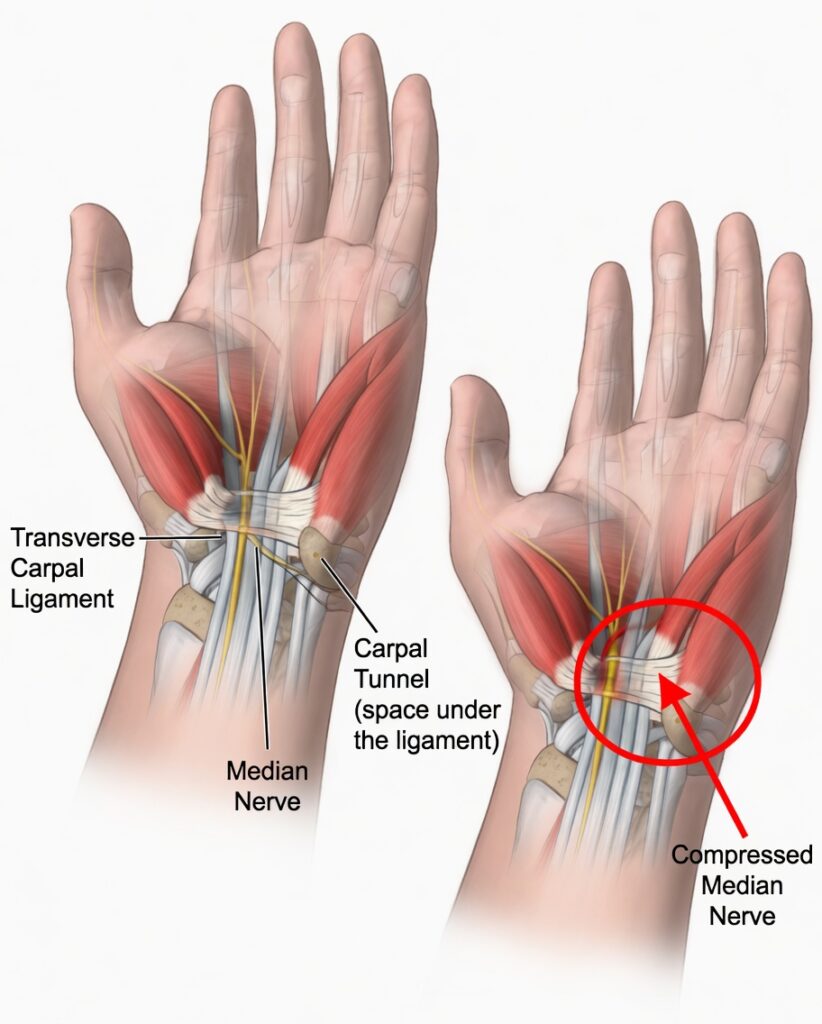
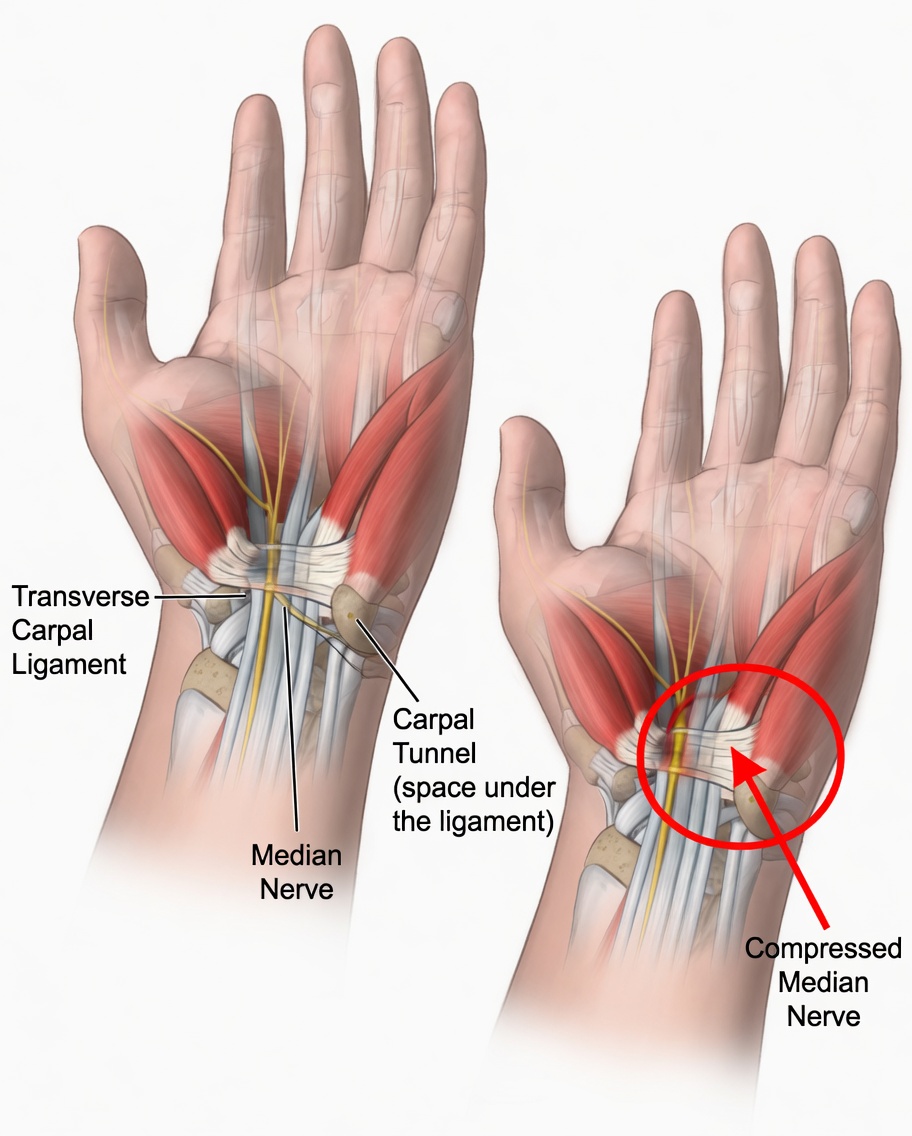
The carpal tunnel is a narrow passageway in the wrist through which the median nerve runs. When this nerve is compressed due to swelling, inflammation, or constant pressure, it can lead to discomfort, numbness, weakness, and pain in the hand and wrist.
People who perform repetitive hand or wrist movements are more likely to develop this problem. If detected early, many cases of carpal tunnel syndrome can be eased with simple, natural care and lifestyle changes.
Common Symptoms of Carpal Tunnel Syndrome
- Numbness, burning, or tingling in the thumb, index, and middle fingers
- A “pins and needles” or electric shock sensation in the fingers
- Pain in the wrist that may radiate to the forearm
- Weak grip or difficulty holding objects securely
- Symptoms that worsen at night or first thing in the morning
Typical Causes and Risk Factors
- Excessive use of keyboards, mice, or smartphones
- Repetitive manual tasks (sewing, assembly work, tools, instruments)
- Hormonal changes such as pregnancy or menopause
- Underlying conditions like arthritis, diabetes, or hypothyroidism
- Fluid retention or swelling in the hands and wrists
- Previous injuries or trauma to the wrist
Home Remedies for Natural Carpal Tunnel Relief
If you are looking for natural ways to relieve carpal tunnel symptoms, the following remedies may help reduce pain, ease tingling, and improve mobility. These tips do not replace medical care but can complement it.
1. Cold Compresses
Cold therapy can help reduce inflammation and calm irritated tissues around the median nerve.
How to use:
- Wrap a few ice cubes or a cold pack in a thin cloth.
- Apply to the wrist for about 15 minutes.
- Repeat 2 times a day, leaving enough time between applications for the skin to warm up.
2. Anti-Inflammatory Herbal Teas
Certain herbs have natural anti-inflammatory properties that may support nerve and joint health from the inside.
Popular options include ginger, turmeric, and chamomile.
Simple recipe:
- Bring 1 cup of water to a gentle boil.
- Add 1 teaspoon of freshly grated ginger.
- Let it steep for a few minutes, then strain.
- Drink warm twice a day.
You can alternate or combine with turmeric or chamomile according to your preference and tolerance.
3. Epsom Salt Hand Soaks
Epsom salt (magnesium sulfate) baths can help relax muscles and ease local inflammation in the wrists and hands.
How to do it:
- Fill a bowl or basin with comfortably warm water.
- Add 2 tablespoons of Epsom salt and stir until dissolved.
- Soak your hands and wrists for about 15 minutes, ideally before bedtime.
4. Gentle Stretching Exercises
Soft, controlled stretches can improve circulation, reduce stiffness, and release some of the pressure on the median nerve.
Simple stretch:
- Extend one arm straight out in front of you with the palm facing up.
- With the other hand, gently pull the fingers of the extended hand back toward you until you feel a mild stretch, not pain.
- Hold for about 20 seconds, then relax.
- Repeat 2–3 times on each hand.
You can perform these stretches several times a day, especially if you spend long periods typing or using your phone.
5. Massage with Essential or Herbal Oils
Massage can help relax tight muscles and tendons in the wrist and hand. Certain oils, such as arnica, peppermint, or rosemary, are often used for their soothing and anti-inflammatory effects.
Recommended application:
- Place a small amount of oil (mixed with a carrier oil if using essential oils) in your palm.
- Gently massage the wrist, palm, and base of the fingers using circular motions.
- Focus on any tense or sore areas.
- Do this once a day, preferably before going to sleep.
Extra Tips to Help Prevent Carpal Tunnel Syndrome
- Avoid keeping your wrists bent or flexed for long periods.
- Adjust your posture and hand position when using a computer or smartphone.
- Take regular breaks from repetitive tasks to stretch your hands and wrists.
- Consider using a nighttime wrist splint if symptoms are frequent or severe.
- Elevate your hands if you notice swelling.
- Reduce excessive salt and refined sugar in your diet to help minimize fluid retention.
When Should You See a Doctor?
If your symptoms do not improve after a couple of weeks of home care, or if the pain, numbness, or weakness worsens, it is important to seek medical attention. A healthcare professional can recommend appropriate treatments, which may include:
- Medication
- Wrist splints
- Physical or occupational therapy
- In more serious cases, surgery to relieve pressure on the median nerve
Conclusion
Carpal tunnel relief does not always require medication or surgery. In many mild to moderate cases, a combination of natural remedies, proper rest, and ergonomic adjustments can significantly reduce tingling, pain, and numbness in the hands.
Listen to your body, act early when symptoms appear, and consult a healthcare professional to ensure you receive the most suitable treatment for your situation.
⚠️ This article is for educational purposes only and does not replace professional medical advice. If you experience persistent or worsening symptoms, always consult a qualified healthcare provider.