Introduction
Baking a cake that looks impressive and tastes amazing is one of the most satisfying kitchen projects you can take on.
The cake shown in the image—a delicate, cloud-like dessert lightly dusted with powdered sugar—is a perfect example of that balance between beauty and flavor.
Often called a Japanese cheesecake or soufflé cheesecake, this style of cake blends the rich, creamy character of classic cheesecake with the light, airy texture of a soufflé.
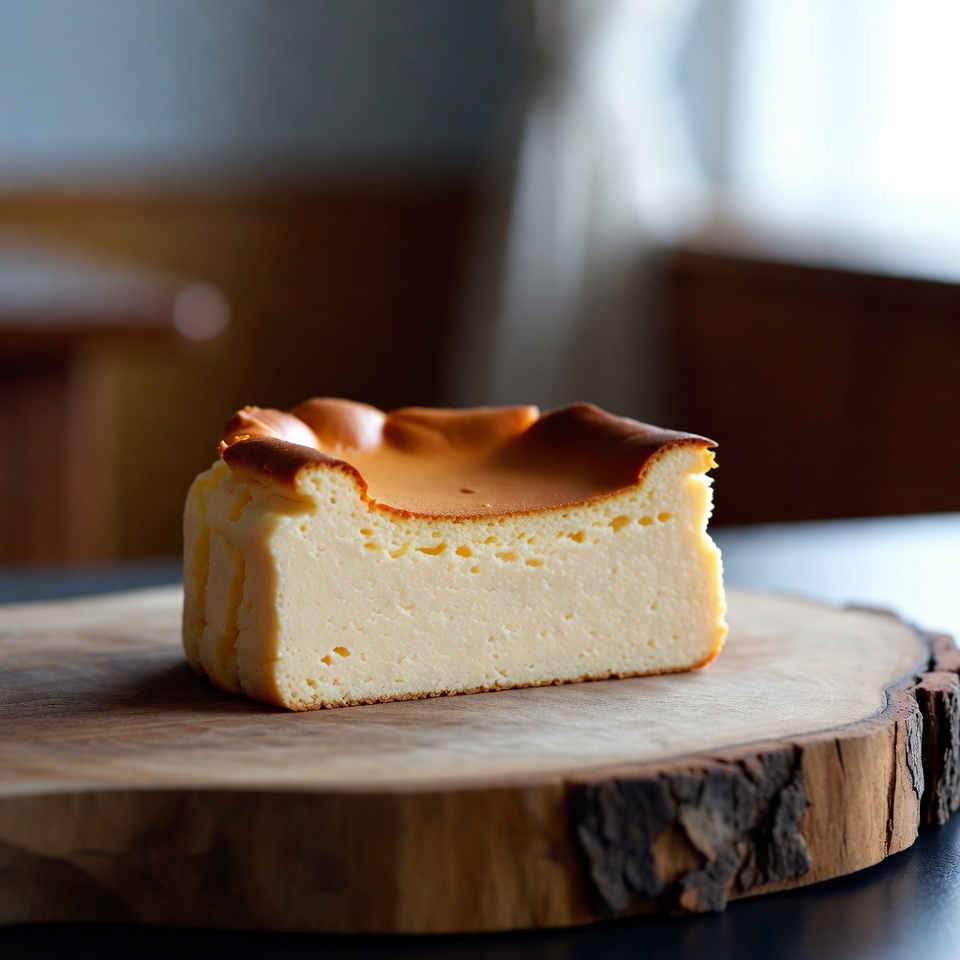
In this guide, you’ll learn exactly how to make this ultra-fluffy cheesecake at home, with step-by-step instructions to help you achieve a consistently perfect result.
Fluffy Japanese Cheesecake Recipe
Ingredients
- 1 cup (200 g) cream cheese, softened
- 1/4 cup (60 g) unsalted butter, softened
- 1/2 cup (120 ml) milk
- 1/2 cup (100 g) granulated sugar, divided
- 6 large eggs, separated
- 1 teaspoon vanilla extract
- 1/4 cup (30 g) cake flour
- 2 tablespoons cornstarch
- 1/4 teaspoon salt
- 1/4 teaspoon cream of tartar
- Powdered sugar, for dusting
Instructions
Preparing the Batter
-
Preheat and prepare the pan
- Preheat the oven to 320°F (160°C).
- Grease an 8-inch (20 cm) round cake pan and line the bottom with parchment paper.
- Wrap the outside of the pan tightly with aluminum foil to protect it from the water bath during baking.
-
Heat the cream cheese mixture
- In a heatproof bowl, add the cream cheese, butter, and milk.
- Place the bowl over a pot of gently simmering water (using the double boiler method).
- Stir continuously until the mixture is smooth and fully combined.
- Remove from the heat and allow it to cool slightly.
-
Add egg yolks and flavoring
- Once the mixture is just warm, whisk in half of the granulated sugar, the egg yolks, and the vanilla extract.
- Mix until the batter is silky and uniform.
-
Incorporate the dry ingredients
- Sift the cake flour and cornstarch directly into the bowl.
- Add the salt.
- Whisk gently until the batter is smooth with no lumps remaining.
Whipping the Egg Whites
-
Beat the egg whites
- In a separate, clean, and dry mixing bowl, beat the egg whites on medium speed with a hand mixer or stand mixer until they become foamy.
- Add the cream of tartar and continue beating until soft peaks form.
-
Add the remaining sugar
- Gradually sprinkle in the remaining granulated sugar while beating on high speed.
- Continue whipping until stiff, glossy peaks form and the meringue holds its shape.
Combining and Baking
-
Fold the meringue into the batter
- Add about one-third of the meringue to the cream cheese batter and gently fold to lighten the mixture.
- Carefully fold in the remaining meringue in two more additions, using a spatula and light motions to avoid deflating the batter.
-
Pour the batter and smooth the top
- Transfer the batter into the prepared cake pan.
- Smooth the surface with a spatula.
- Tap the pan lightly on the counter a few times to release any large air bubbles.
-
Bake in a water bath
- Place the cake pan inside a larger baking dish or roasting pan.
- Pour hot water into the outer pan until it reaches about halfway up the sides of the cake pan. This water bath (bain-marie) helps the cake bake gently and stay moist.
-
Bake the cake
- Bake at 320°F (160°C) for 60–70 minutes, or until the top is a deep golden color and a toothpick inserted into the center comes out clean or with just a few moist crumbs.
- Turn off the oven and leave the cake inside with the door slightly open for about 10 minutes. This gradual cooling helps minimize cracking.
Finishing Touches
-
Cool the cake
- Remove the cake pan from the water bath and place it on a wire rack.
- Allow the cake to cool completely in the pan.
-
Remove from the pan and dust
- Once cool, carefully run a knife around the edge of the cake if needed and release it from the pan.
- Place the cake on a serving plate and generously dust the top with powdered sugar for a simple, elegant finish.
-
Serve and enjoy
- Slice the cheesecake with a sharp knife, wiping the blade between cuts for clean slices.
- Serve with a cup of tea or coffee and enjoy the ultra-light texture and rich, delicate flavor.
Conclusion
Making a fluffy Japanese cheesecake at home is a delightful way to bring bakery-quality dessert into your own kitchen.
With its feather-light crumb, subtle sweetness, and creamy taste, this cake is sure to impress guests and delight anyone with a sweet tooth.
Whether you’re celebrating a special occasion or just treating yourself, this soufflé-style cheesecake is an excellent choice.
Follow these instructions carefully, and you’ll be rewarded with a beautiful, melt-in-your-mouth dessert that everyone will love. Happy baking!