
Subtle Digestive Changes You Should Not Ignore
Many people move through everyday life while noticing small changes in their bathroom routine or occasional stomach discomfort. At first, these issues may seem minor. But when they continue or become more noticeable, they can start to affect comfort, daily habits, and peace of mind. It is natural to wonder whether something more serious could be causing them.
Learning what these symptoms may indicate is an important step toward protecting your health. And there is one commonly missed detail about how these warning signs appear that we will cover near the end.
Why Paying Attention to These Signs Is Important
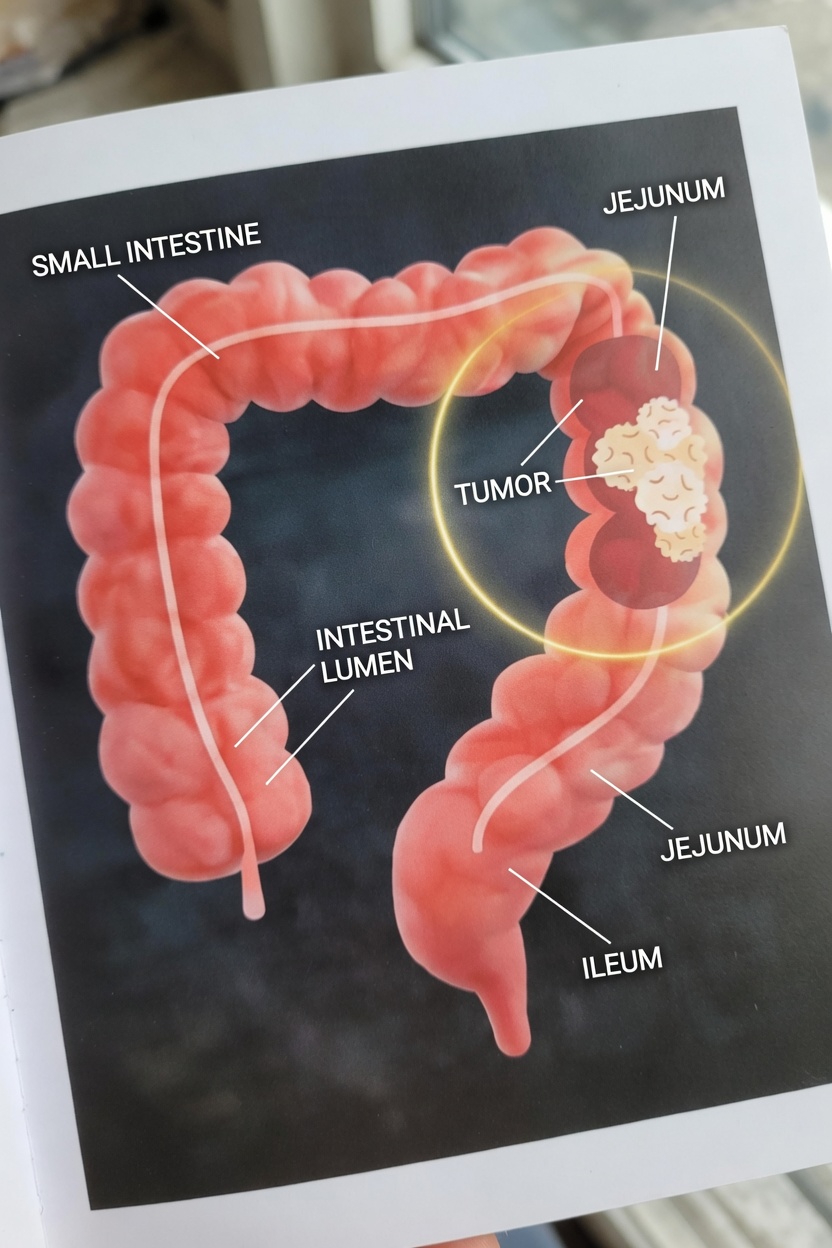
Colon cancer, also called colorectal cancer, begins in the colon or rectum. It is one of the most frequently discussed conditions in preventive care. Major organizations such as the Mayo Clinic and the American Cancer Society stress that knowing the possible signs can help you have more informed conversations with your doctor.
Being aware does not mean trying to diagnose yourself. It simply means noticing unusual patterns and seeking medical advice if something does not feel normal.

5 Common Signs and Symptoms to Watch
According to trusted medical sources, several symptoms are commonly linked to colon cancer. It is important to remember that these signs can also be caused by many less serious conditions. Still, if they persist, they deserve attention.
1. Rectal Bleeding or Blood in the Stool
One of the most noticeable warning signs is blood appearing in the stool, on toilet paper, or in the toilet. It may be bright red, or it may cause the stool to look darker than usual.
This can happen when tissue changes in the colon or rectum irritate the lining. However, bleeding is not always easy to see. In some cases, it is only discovered through routine lab work that shows low iron levels.
If you notice this symptom, bring it up with your healthcare provider rather than ignoring it.
2. Ongoing Changes in Bowel Habits
Have you recently developed diarrhea, constipation, or stools that seem narrower than normal for several weeks?
These changes may happen when an abnormal growth affects the way the colon functions or partly blocks movement through the intestine. The American Cancer Society notes that any lasting difference from your usual bowel pattern should be taken seriously.
Keeping track of your normal digestive habits can make unusual changes easier to spot.
3. Persistent Abdominal Discomfort
Long-lasting cramps, bloating, gas, or a dull ache in the abdomen can also be signs worth investigating.
This type of discomfort may be related to pressure or inflammation in the colon. Sometimes it worsens after meals, while in other cases it comes and goes without a clear trigger.
For many people, the first clue is simply a repeated feeling that something feels off in the stomach area.
4. Unintentional Weight Loss
Losing weight without changing your eating habits or activity level is another symptom to watch carefully.
Sometimes the body uses more energy than usual, or eating becomes less appealing because of ongoing discomfort. Cancer research groups note that unexplained weight loss can occur in many different health conditions, which is why it should never be dismissed.
5. Fatigue and Weakness
Feeling unusually drained, weak, or tired even after getting enough rest can be another important signal.
This often happens because slow, hidden blood loss can reduce iron levels over time. As a result, everyday activities such as working, spending time with family, or managing simple chores may start to feel harder than usual.
When several of these symptoms appear together, they often become even more concerning.
Factors That May Increase Your Personal Risk
Although these symptoms can happen to anyone, health experts often highlight certain factors that may raise the risk of colon cancer:
- Age over 45
- A family history of colon cancer or colon polyps
- A diet high in processed meats or red meat and low in fiber
- Smoking
- Regular heavy alcohol use
- Low physical activity
- Certain chronic digestive disorders
Understanding your personal and family history can help you ask better questions during medical visits.
Practical Steps You Can Start Today
You do not have to wait for symptoms before taking care of your digestive health. Many experts recommend the following habits:
- Eat more fiber-rich foods, including fruits, vegetables, beans, and whole grains.
- Stay active for at least 30 minutes on most days through walking, swimming, or another activity you enjoy.
- Drink enough water throughout the day to support healthy digestion.
- Reduce processed meats and choose lean proteins or plant-based meals more often.
- Keep up with routine health appointments and ask your doctor about screening options based on your age and risk level.
These simple choices can support overall wellness and help you feel more in control of your health.

When Should You Speak With a Doctor?
If any of the symptoms listed above last longer than two weeks, or if you are worried at any point, contacting a healthcare professional is the right next step. A doctor can recommend appropriate tests to find the real cause and explain what to do next.
Most digestive problems are not serious. Still, getting checked can provide answers, reassurance, and early treatment if needed.
Final Thoughts: Stay Alert and Take Action Early
Knowing these five common signs and symptoms can help you respond to changes in your body with more confidence. Paying attention, asking questions, and maintaining regular communication with your healthcare team can lead to better health decisions over time.
And here is the often-overlooked detail: these signs do not always appear dramatically. They may begin gradually, seem mild, or come and go. That is exactly why persistent changes should never be ignored.
Small healthy habits and early awareness can make a real difference. Taking action today is a gift to your future self.
Frequently Asked Questions
1. Can these symptoms happen if I am under 50?
Yes. While the risk increases with age, younger adults can also experience these warning signs. Any persistent change should be discussed with a doctor, no matter your age.
2. Do these symptoms always mean colon cancer?
No. Many common digestive conditions can cause similar symptoms. What matters most is whether the symptoms continue, worsen, or feel unusual for your normal pattern.
3. How often should screening be considered if I have no symptoms?
Many major health organizations recommend starting regular screening around age 45 for adults at average risk. Screening may begin earlier if you have a family history or other risk factors. Your doctor can help determine the best schedule for you.