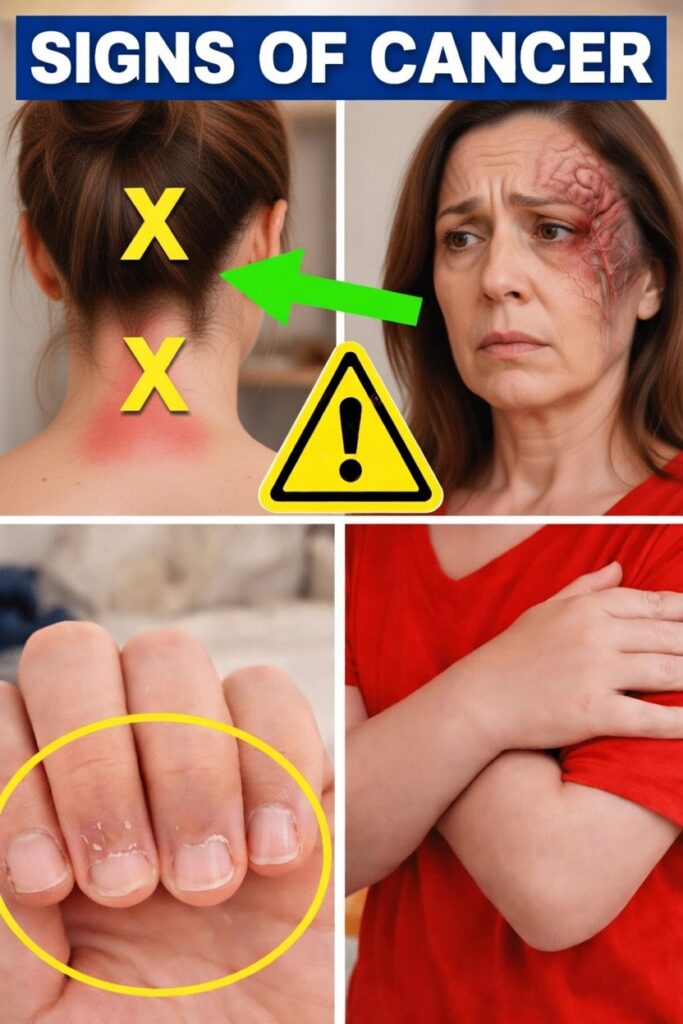
9 Subtle Cancer Warning Signs You Shouldn’t Ignore
Cancer often begins quietly, with small changes that are easy to blame on stress, getting older, or “just one of those things.” At first, these shifts may seem harmless. But when they continue, worsen, or start to cluster together, they can sometimes signal an underlying problem that deserves attention.
Trusted organizations such as the American Cancer Society and Johns Hopkins Medicine stress that paying attention to persistent symptoms can support earlier detection. Most of the time, these signs are caused by non-cancerous conditions—but noticing them early gives you the best chance to understand what’s happening and respond appropriately.
In this guide, you’ll find nine common early warning signs of cancer cited by reputable health sources, why they occur, and practical steps you can take right now. At the end, you’ll also learn a simple daily habit that can help you stay more in tune with your body and spot changes sooner.
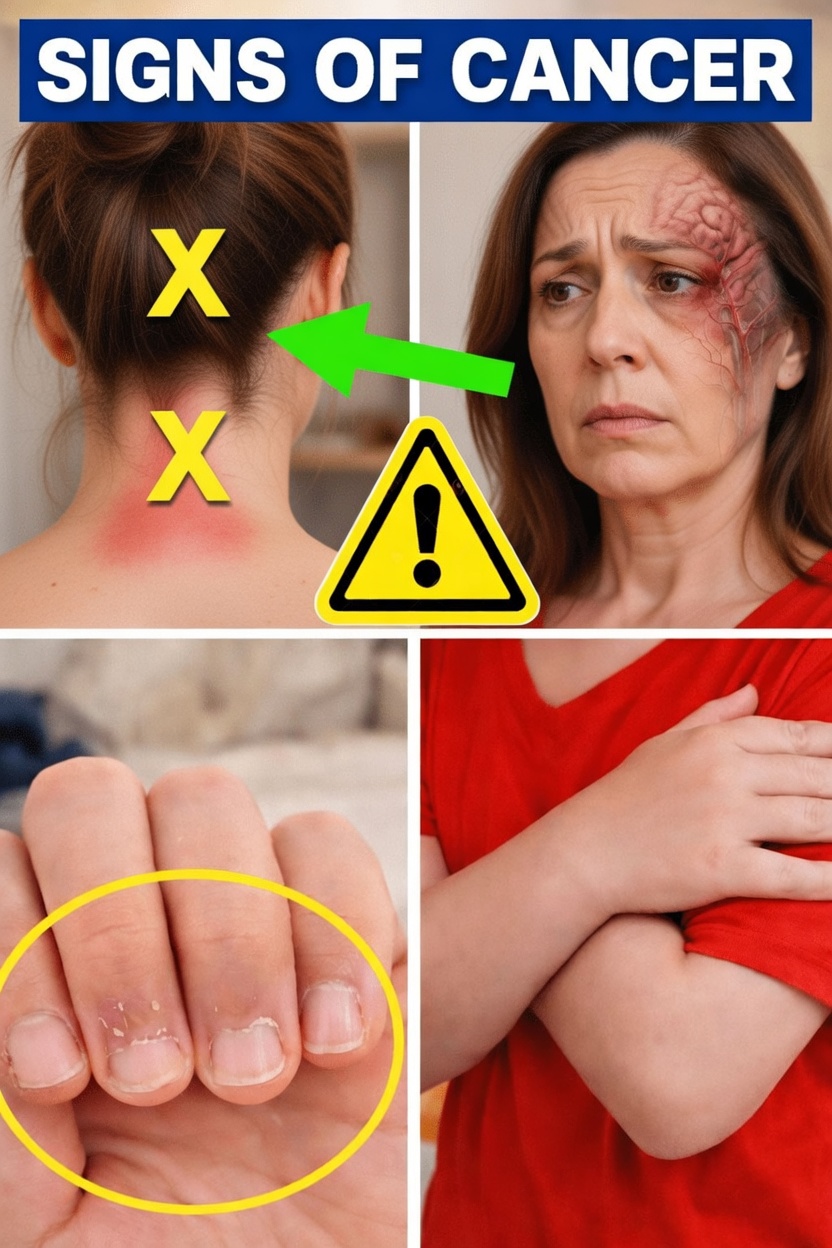
Why These Warning Signs Matter More Than You Think
Many people wait weeks or even months before mentioning ongoing symptoms to a healthcare professional. Yet research from the National Cancer Institute and similar institutions shows that some cancers can cause broad, non-specific symptoms because they affect how your body uses energy, how your immune system responds, and how organs function.
Two key ideas to remember:
- Duration matters. A symptom that lasts more than two weeks without a clear reason (like a recent infection or known medical issue) should be taken seriously.
- Patterns matter. These warning signs often appear in combination rather than alone, making the overall pattern more noticeable over time.
This is not about panic or self-diagnosis. It’s about informed awareness so you can have better conversations with your doctor and seek timely care when needed.
1. Unexplained Weight Loss
Losing around 10 pounds (4–5 kg) or more without changing your diet or activity level is one of the most frequently reported early signs linked with several types of cancer. According to the American Cancer Society, this can occur when cancer cells use large amounts of energy or when your body produces substances that alter the way you burn calories.
What to notice:
- Clothes suddenly feel loose or baggy.
- Your appetite hasn’t dropped, or may even have increased.
- The scale shows a steady decline without effort.
Action step:
Weigh yourself once a week at the same time of day for a month and jot down the numbers. If unexplained weight loss continues, especially with other symptoms, schedule an appointment with your doctor.
2. Persistent Fatigue That Rest Doesn’t Fix
Feeling tired is common, but profound fatigue that doesn’t improve with sleep or rest can be different. Johns Hopkins Medicine notes that this kind of exhaustion is a frequent complaint in people who are later diagnosed with various cancers. It may result from anemia, inflammatory processes, or the body working harder to fight abnormal cells.
This is not the usual “end of a busy day” tired—it often feels heavy, unrelenting, and out of proportion to your activities.
Action step:
Keep a simple daily log of your energy levels (for example, morning, afternoon, evening). If you feel unusually drained for two or more weeks and rest doesn’t help, bring this up at your next medical visit.
3. Ongoing Fever or Night Sweats
Recurring low-grade fevers without a clear infection, especially if paired with night sweats that soak your clothes or sheets, can sometimes be linked to certain cancers. The Mayo Clinic and Cancer Research UK report that these symptoms may reflect your immune system reacting to abnormal cells.
What to look for:
- Fevers that come and go without obvious cause.
- Chills or shivering episodes.
- Night sweats that are more intense than usual.
Action step:
Track your temperature when you feel unwell and note the time of day, presence of chills, and any other symptoms. Share this record with your healthcare provider to help guide evaluation.

4. New or Persistent Lumps and Swellings
A lump or swelling that appears and doesn’t disappear after a few weeks should be checked—especially if it’s in areas such as the neck, armpits, groin, breast, or anywhere else on the body. The American Cancer Society identifies persistent lumps as a classic warning sign, particularly if they grow, feel firm, or are fixed in place.
Not every lump is cancer; many are cysts or benign growths. However, lumps that remain or change warrant medical attention.
Action step:
Once a month, in good lighting, gently examine your body. Note the size, feel (soft, rubbery, hard), and exact location of any lumps or swellings, and watch for changes over time.
5. Skin Changes You Haven’t Seen Before
Your skin can offer important clues. New moles, existing moles that start to change, sores that don’t heal, or yellowing of the skin and eyes (jaundice) can all be warning signs. UCSF Health and other major centers emphasize that changes in skin color, texture, or persistent spots should not be ignored.
Particularly concerning changes include:
- A mole that becomes asymmetrical or develops irregular borders.
- Shifts in color (multiple colors or very dark areas).
- Growth in size or thickness.
- Any spot that bleeds, crusts, or doesn’t heal.
Action step: Use the ABCDE rule for moles
- A – Asymmetry: One half doesn’t match the other.
- B – Border: Edges are irregular, blurred, or jagged.
- C – Color: Varies from one area to another or looks unusual.
- D – Diameter: Larger than 6 mm (about the size of a pencil eraser).
- E – Evolving: Any change in size, shape, color, or sensation.
If you spot any of these features, book a skin check with a healthcare professional or dermatologist.
6. Changes in Bowel or Bladder Habits
Long-lasting changes in bowel or bladder function can be important early signs, especially for colorectal or bladder cancers. Health guidelines highlight symptoms such as:
- Ongoing diarrhea or constipation.
- Stools that appear narrower than usual.
- A feeling that you haven’t completely emptied your bowels.
- Blood in the stool or urine.
- Increased urgency or frequency of urination.
Action step:
For about a week, pay attention to the frequency, consistency, and appearance of your stools and urine. Any blood—red, dark, or tar-like—should be discussed promptly with a doctor, even if it appears only once.
7. Unusual Bleeding or Discharge
Bleeding without a clear cause is another symptom to take seriously. Resources from the National Cancer Institute and Mayo Clinic note several situations that need evaluation:
- Coughing up blood.
- Blood in vomit, urine, or stool.
- Unexplained vaginal bleeding, especially after menopause.
- Spotting between periods that occurs repeatedly.
While there are many possible reasons for abnormal bleeding, it should never be dismissed as “normal” if it’s new, recurrent, or unexplained.
Action step:
Record when the bleeding occurs, how much there is, and any accompanying symptoms (such as pain or weight loss). Share this information with your healthcare provider as soon as possible.
8. Persistent Pain That Won’t Go Away
Chronic pain—such as ongoing headaches, back pain, or abdominal discomfort—can have many causes, from muscle strain to arthritis. However, pain that persists or slowly worsens without a clear trigger should be evaluated, since some cancers can cause long-lasting or progressive pain.
Action step:
Use a 0–10 pain scale daily (0 = no pain, 10 = worst pain imaginable). Note:
- Where the pain is.
- What makes it better or worse.
- How it affects your sleep or activities.
If the pain doesn’t improve over several weeks or keeps intensifying, seek medical advice.
9. Difficulty Swallowing or Chronic Hoarseness
Feeling like food is sticking in your throat or chest, or having a hoarse, raspy voice that lingers for weeks, can be a sign of problems in the throat, voice box, or esophagus. Cancer Research UK notes that these symptoms sometimes point to cancers in these areas.
Action step:
- Eat slowly and notice if swallowing feels painful, strained, or blocked.
- Pay attention to hoarseness lasting longer than 2–3 weeks without an obvious cause (like a recent cold).
Persistent swallowing issues or voice changes should be checked by a doctor or ENT specialist.
Quick Reference: 9 Cancer Warning Signs at a Glance
Use this list as a simple monthly self-check:
- Unexplained weight loss (about 10 lbs / 4–5 kg or more without trying)
- Extreme fatigue that rest and sleep don’t fix
- Recurring fevers or night sweats without a clear infection
- New or persistent lumps or swellings
- Unusual skin changes or sores that don’t heal
- Long-lasting changes in bowel or bladder habits
- Unexplained bleeding or discharge
- Chronic, localized pain that doesn’t go away
- Ongoing difficulty swallowing or hoarseness
Remember: each of these can be caused by many non-cancerous conditions. The goal is not to alarm yourself, but to notice patterns and seek timely medical guidance.

Simple Steps You Can Take Today for Better Body Awareness
Improving your awareness doesn’t require big lifestyle changes. These small steps can help you spot shifts earlier and communicate more clearly with your healthcare team.
1. Start a Symptom Journal
- Write down the date, symptom, duration, and severity.
- Note what makes it better or worse.
- Bring this log to your appointments—it gives your doctor a much clearer picture.
2. Keep Up With Regular Check-Ups
- Schedule routine visits even if you feel well.
- Discuss your family history, especially any cancers.
- Mention any persistent changes, even if you think they’re minor.
3. Practice Monthly Self-Exams
- Check your skin for new or changing spots.
- Perform self-exams of the breasts or testicles following medical guidance.
- Gently feel the neck, armpits, and groin for persisting lumps.
4. Support Overall Health
Healthy habits won’t prevent every cancer, but they can reduce risk and make changes easier to notice:
- Stay physically active most days of the week.
- Eat a balanced diet rich in fruits, vegetables, whole grains, and lean proteins.
- Avoid tobacco and limit alcohol, in line with health authority recommendations.
The 5-Minute Daily Habit That Boosts Awareness
One surprisingly powerful tool is a short “body scan” you can do each evening:
- Sit or lie down comfortably in a quiet space.
- Close your eyes and take several slow, deep breaths.
- Starting from the top of your head, mentally “scan” down your body:
- Notice any tension, pain, tingling, or discomfort.
- Move through your face, neck, shoulders, arms, chest, abdomen, back, hips, legs, and feet.
- Simply observe what you feel without judgment.
Over time, many people find they become more attuned to subtle changes—like a new ache, a tender area, or a shift in energy level—long before those changes become obvious.
Frequently Asked Questions
What if I have one of these signs but feel fine otherwise?
Many of these symptoms are commonly caused by infections, stress, hormonal changes, or other non-cancerous issues. Feeling otherwise well is reassuring, but if a symptom lasts more than about two weeks or keeps returning, it’s still wise to talk with a doctor to rule out serious causes.
How soon should I see a doctor?
If a symptom:
- Persists beyond a few weeks,
- Gradually worsens, or
- Appears together with other changes (like weight loss and fatigue),
you should not postpone an evaluation. Early conversations often lead to simple explanations and peace of mind—and when something serious is found, earlier detection usually means more treatment options.
Can lifestyle changes completely prevent cancer?
No lifestyle approach can guarantee complete protection. However, major health organizations agree that you can significantly lower your overall risk by:
- Not smoking or using tobacco.
- Limiting alcohol intake.
- Staying physically active.
- Maintaining a healthy weight.
- Eating a nutrient-rich, balanced diet.
Combined with body awareness and routine medical care, these habits support your long-term health and improve your chances of catching any problems early.