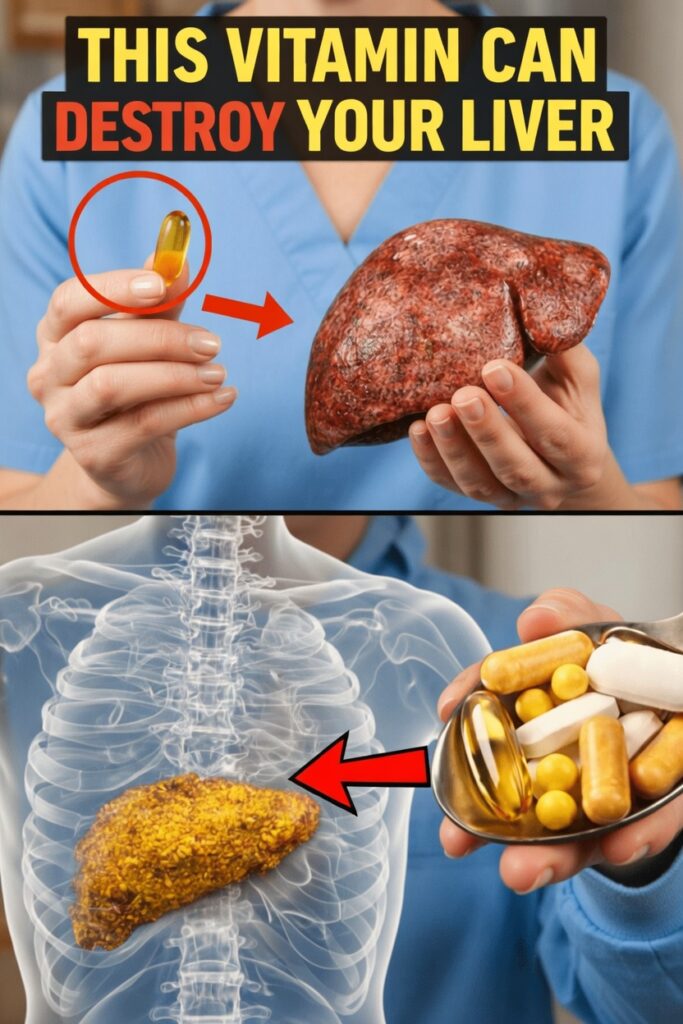
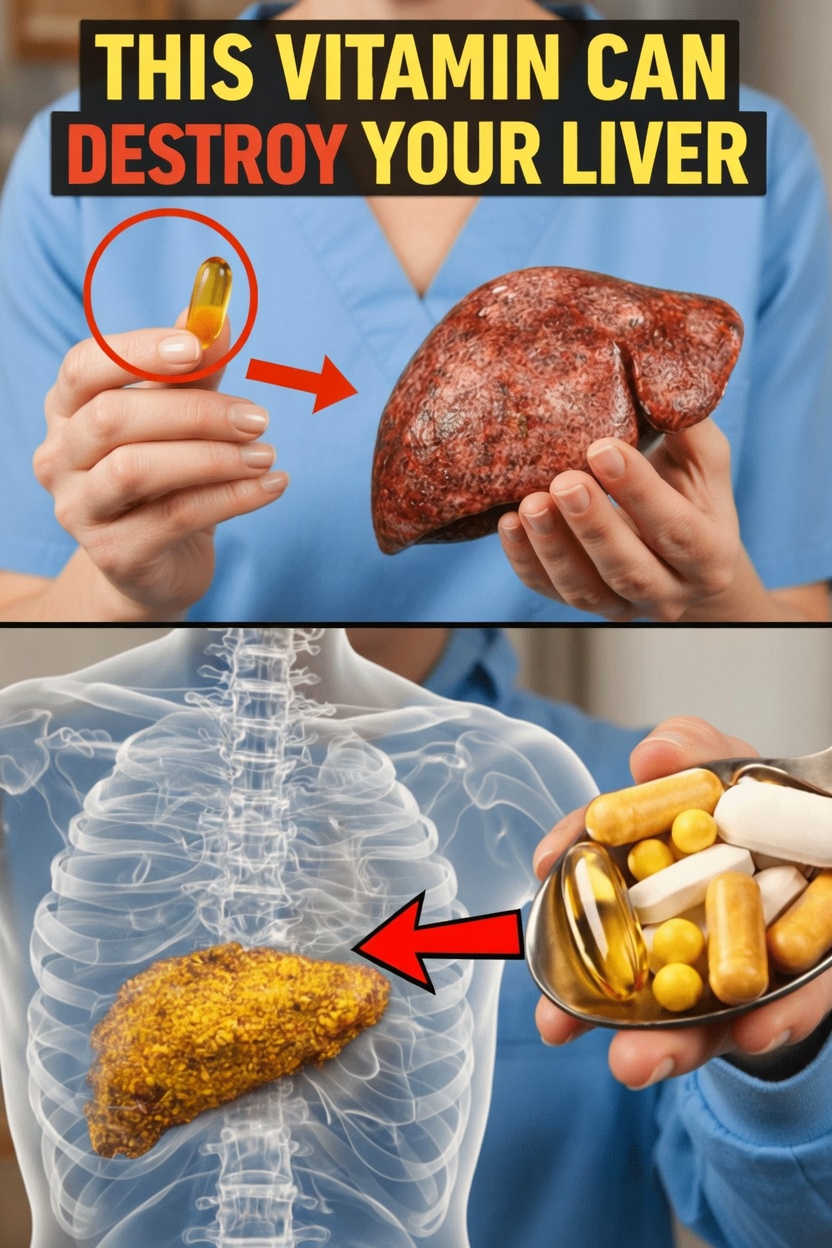
Can Supplements Harm Your Liver or Kidneys?
Every morning, millions of people take vitamins and dietary supplements believing they are improving their health, correcting nutrient deficiencies, and slowing the effects of aging. In many cases, that belief is justified. When used appropriately, supplements can play a valuable role in overall wellness.
Still, more research is showing that some widely used products — especially in large amounts or over long periods — may place hidden stress on the liver and kidneys, two of the body’s most important organs. What makes this concerning is that many of these items are sold as “natural,” “safe,” or even “must-have” health products. The good news is that with better awareness, smarter supplement choices, and reasonable dosing, the risk can often be greatly reduced. This guide explains which supplements are most often linked to concern, why they matter, and what you can do to use them more safely.
How the Liver and Kidneys Process Supplements
The liver functions like the body’s central chemical processing hub. It helps break down nutrients, manage toxins, and determine what substances should be stored, transformed, or removed. The kidneys, meanwhile, filter about 50 gallons of blood daily, clearing out waste while maintaining the right balance of fluids, minerals, and electrolytes.
When you take concentrated vitamins, minerals, or herbal products, these organs must do extra work to process and eliminate them. Water-soluble nutrients, such as vitamin C and most B vitamins, are usually excreted more easily. By contrast, fat-soluble vitamins — including vitamins A, D, E, and K — along with many herbal compounds, can build up in the body over time.
Medical research has found that herbal and dietary supplements now make up a notable and increasing share of reported liver injury cases in the United States. The level of risk depends on several factors, including:
- Dosage
- Length of use
- Product quality and purity
- Genetics
- Existing health issues
- Other medications being taken
Supplements Commonly Associated With Liver Problems
Some supplements are mentioned repeatedly in medical case reports and safety databases related to liver health. The following are among the most frequently discussed.
Green Tea Extract
Highly concentrated green tea extract, especially capsules or powders rich in EGCG, has been linked to sudden increases in liver enzymes and, in rare instances, more serious liver damage. Drinking regular green tea does not usually carry the same risk.
Turmeric and Curcumin Supplements
Turmeric used in normal food amounts is generally considered very safe. However, concentrated curcumin supplements, particularly enhanced-absorption formulas, have been associated with elevated liver enzymes in certain users.
Vitamin A in Retinol Form
Because vitamin A is fat-soluble, it can be stored in the liver. Repeatedly taking amounts above the recommended upper limit — usually through supplements rather than food — may lead to accumulation and eventual toxicity.
High-Dose Niacin
Niacin, also known as vitamin B3, is sometimes used in large doses to support cholesterol management. Extended-release and high-potency forms have a long-documented connection to liver function issues in the medical literature.
Ashwagandha
Ashwagandha has become a popular supplement for stress support and sleep. In recent years, it has also appeared in several reports involving possible liver-related side effects, especially when used for a long time or in high amounts.
Black Cohosh
Often used to help with menopausal symptoms, black cohosh remains one of the herbal supplements most often mentioned in databases tracking possible supplement-related liver concerns.
Supplements That May Burden the Kidneys
The kidneys are particularly sensitive to substances that increase filtration demands, disrupt mineral balance, or encourage crystal formation.
Very High Doses of Vitamin C
Large supplemental intakes of vitamin C can increase oxalate in the urine. In people who are already vulnerable, this may raise the likelihood of calcium oxalate kidney stones.
Too Much Calcium From Supplements
Excess calcium supplementation, especially without enough water intake or without balance from nutrients such as magnesium and vitamin K2, may contribute to kidney stone formation or vascular calcification in susceptible individuals.
Megadoses of Vitamin D
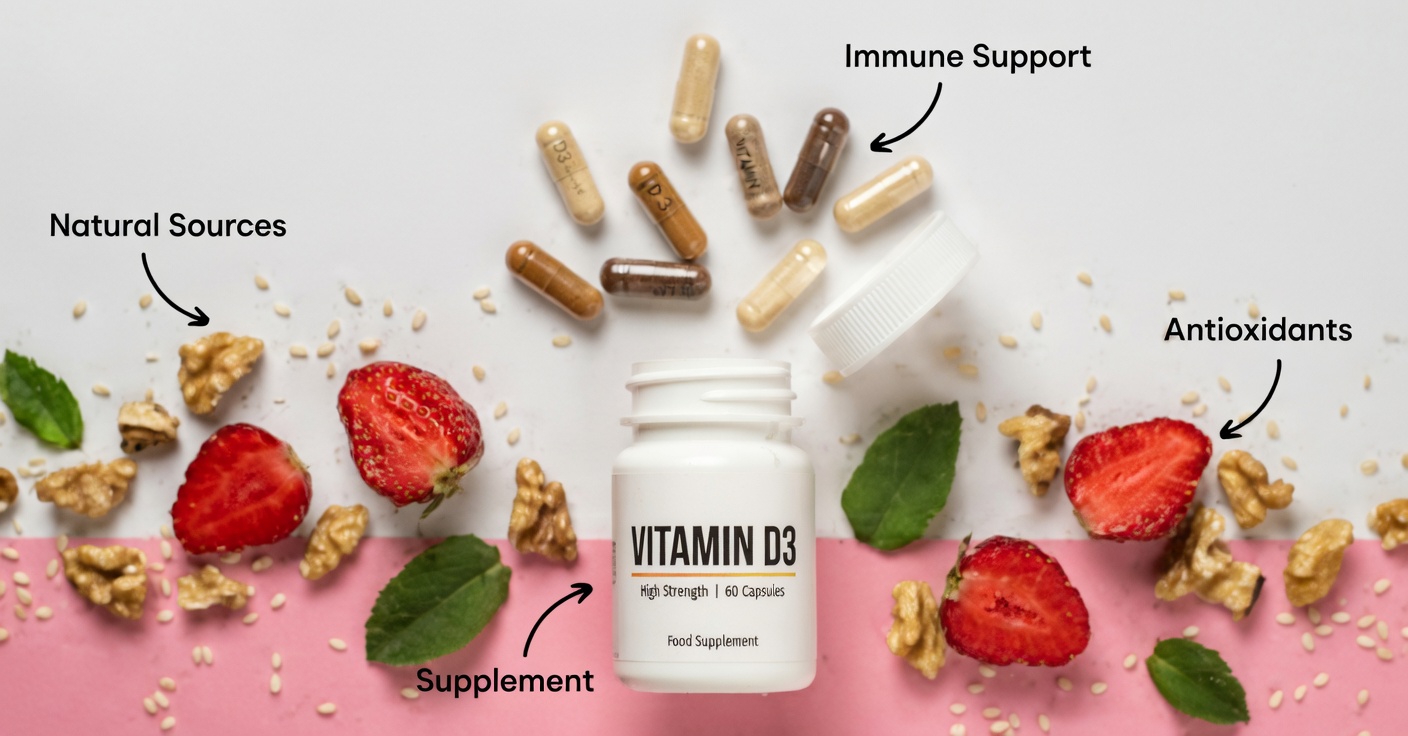
Vitamin D is essential, and deficiency is common. However, taking very large doses without medical guidance can cause blood calcium levels to rise too much, which may place strain on the kidneys over time.

6 Smart Ways to Use Supplements More Safely
You do not necessarily need to stop taking supplements altogether. The key is to use them with more care and intention. These simple habits can make a big difference.
1. Speak With a Doctor or Pharmacist
Bring a full list of your supplements, including dosages, to your next medical appointment. This is especially important if you use prescription drugs or live with a chronic health condition.
2. Stay Within Safe Intake Limits
Avoid going beyond the Recommended Dietary Allowance (RDA) or the Tolerable Upper Intake Level (UL) unless a healthcare professional specifically advises it.
3. Choose Trusted Quality
Instead of buying the cheapest option, look for brands that use independent third-party testing. Certifications such as USP, NSF, ConsumerLab, or Informed-Choice can help reduce the risk of contamination or inaccurate labeling.
4. Focus on Food First
Whenever possible, get nutrients from whole foods rather than relying only on pills or powders. Examples include:
- Carrots, sweet potatoes, and liver for vitamin A
- Citrus fruits, bell peppers, and broccoli for vitamin C
- Fatty fish, eggs, and mushrooms for vitamin D
5. Pay Attention to Warning Signs
Your body may give early clues that something is wrong. Watch for symptoms such as:
- Unusual fatigue
- Nausea
- Dark urine
- Yellowing of the skin or eyes
- Itching
- Abdominal discomfort
If these symptoms appear after starting a supplement, stop using it and seek medical advice.
6. Stay Well Hydrated
Drinking enough water helps the kidneys clear excess vitamins, minerals, and metabolic waste more effectively.
What the Research Really Suggests
Leading health organizations and academic institutions continue to monitor reports of supplement-related organ damage. The overall message is not that supplements are inherently dangerous. In fact, many are useful when taken correctly. However, concentrated products, megadoses, and long-term use of certain supplements may carry more risk than many people assume.
A “natural” label does not guarantee safety. And when it comes to isolated nutrients or herbal extracts, taking more is rarely better.
Frequently Asked Questions
Can a standard daily multivitamin damage the liver or kidneys?
For most healthy adults, a regular multivitamin taken exactly as directed is unlikely to cause harm. Problems are more likely when people combine multiple products, exceed safe upper limits, or take high-dose single-nutrient formulas for many months or years.
Are herbal supplements safer than vitamins?
Not necessarily. Some herbal products appear more often in liver and kidney safety reports than basic vitamins. This may be due to variations in plant compounds, extraction methods, contamination risks, and interactions with medications or other supplements.
Should I stop all supplements if I am concerned?
There is usually no reason to panic or quit everything immediately. A better approach is to focus on moderation, choose high-quality products, and review your supplement routine regularly with a healthcare provider. Many people can continue benefiting from supplements when they use them responsibly.