
9 Common Signs of Menopause Every Woman Should Know
Many women in their 40s and early 50s begin to notice physical and emotional changes that seem sudden, confusing, or hard to explain. A hot flash may appear out of nowhere, sleep may become more difficult, and mood changes may feel unexpected. In many cases, these shifts are linked to the natural hormone changes of perimenopause, the stage leading up to menopause.
Trusted medical sources such as the Mayo Clinic report that most women experience at least some of these symptoms, yet many do not immediately realize they are connected. The encouraging part is this: once you understand the signs, the transition can feel far less overwhelming and much more manageable. And there is one surprising sign that many women do not expect at all, which we will cover near the end.
What Menopause Actually Means
Menopause is reached when menstrual periods have stopped permanently, which happens at an average age of about 51. Before that comes perimenopause, a transitional phase that may last for several years. During this time, hormone levels, especially estrogen, begin to fluctuate and gradually decline.
This process does not look the same for everyone. Some women experience only mild symptoms, while others feel a stronger impact on daily life. According to research from organizations like the Cleveland Clinic, hormonal changes during this stage can affect body temperature, sleep, emotions, metabolism, and more.

1. Irregular Periods Are Often the Earliest Sign
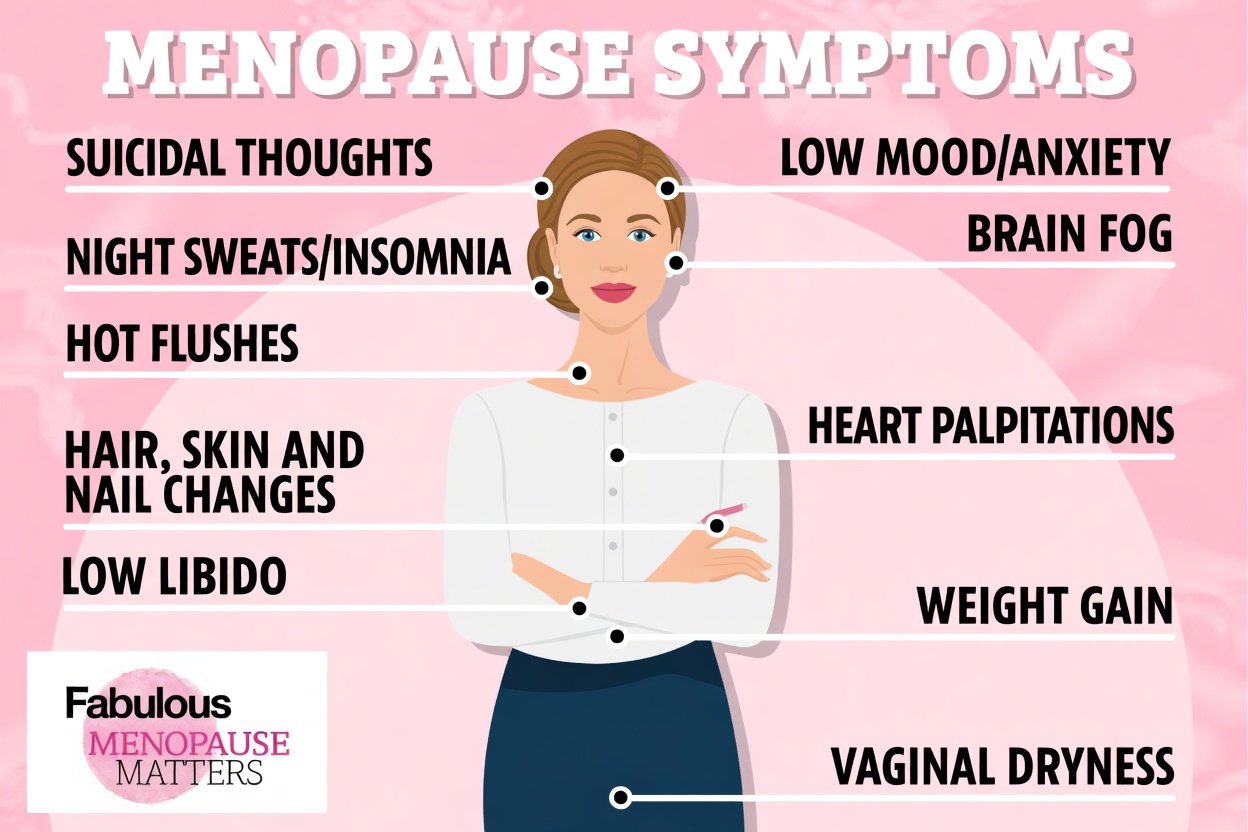
For many women, the first noticeable clue is a change in the menstrual cycle. Periods may come closer together or farther apart. Flow may become heavier or lighter than usual. Some women skip months, while others notice spotting between cycles.
The Mayo Clinic notes that unpredictable periods are one of the most common early markers of perimenopause because ovulation becomes less regular. Tracking your cycle in a journal or app can make patterns easier to recognize and discuss with your doctor.
2. Hot Flashes Can Happen Without Warning
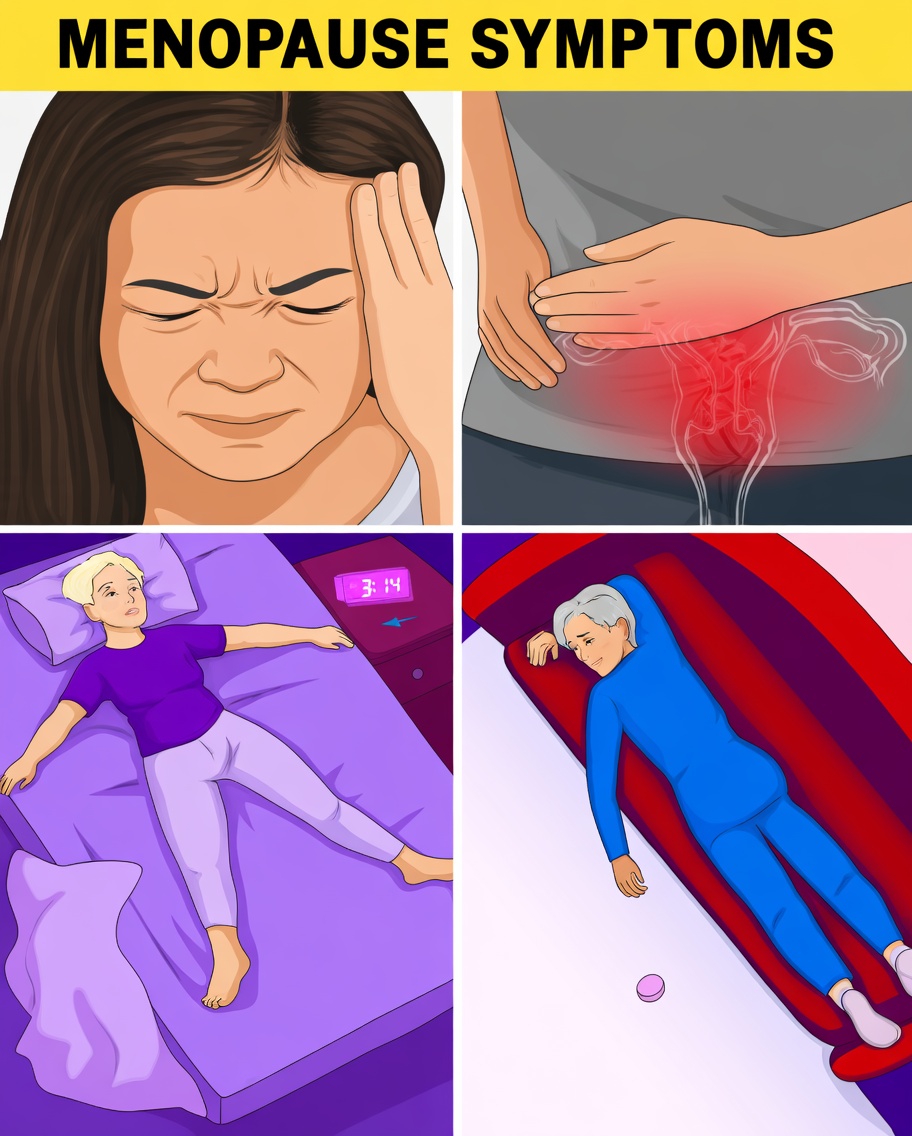
A hot flash is one of the most recognized menopause symptoms. It usually feels like a sudden rush of heat spreading across the face, neck, and chest. It may last a few seconds or several minutes and is often accompanied by redness, sweating, or a rapid heartbeat.
The Office on Women’s Health reports that as many as three out of four women experience hot flashes, often beginning during perimenopause. They can occur at any time and may interrupt work, social activities, or quiet moments during the day.
3. Night Sweats May Leave You Exhausted
Night sweats are similar to hot flashes, but they happen during sleep. They can be intense enough to soak pajamas, bedding, or pillows, causing repeated waking throughout the night.
Many women describe night sweats as one of the most frustrating symptoms because poor sleep builds into lasting fatigue. If you are waking up drenched and unable to rest properly, hormonal changes may be playing a role.
4. Sleep Problems Can Occur Even Without Sweating
Not all sleep issues during menopause are caused by night sweats. Some women find it hard to fall asleep at all, while others wake repeatedly or feel tired no matter how long they stay in bed.
Hormonal shifts can interfere with the body’s normal sleep regulation. Research suggests that this can affect concentration, daytime energy, and emotional balance, making other symptoms feel even harder to manage.
5. Mood Swings and Irritability Are Common
If you have been feeling more anxious, impatient, emotional, or easily overwhelmed, you are not imagining it. Hormone fluctuations can affect brain chemistry, including the systems involved in mood regulation.
The Cleveland Clinic explains that emotional changes are common during perimenopause and menopause. While they are often temporary, they may feel intense, especially when combined with stress or ongoing sleep disruption.
6. Vaginal Dryness and Discomfort May Develop
As estrogen levels decline, vaginal tissue may become thinner, drier, and less elastic. This can lead to irritation, discomfort during daily activities, or pain during intimacy.
In medical terms, this is often referred to as vaginal atrophy, though not everyone uses that phrase. The good news is that many women find relief through simple adjustments, over-the-counter products, or treatment options recommended by a healthcare professional.
7. Brain Fog and Minor Memory Problems Can Appear
Another often-reported symptom is brain fog. This may include difficulty finding the right word, forgetting names, losing track of tasks, or feeling mentally slower than usual.
Hormones can influence cognitive function, and research shows these symptoms are usually mild for most women. In many cases, mental clarity improves over time, especially once sleep and stress are better managed.
8. Weight Changes or a Slower Metabolism May Surprise You
Some women notice gradual weight gain during this phase, especially around the waist, even if their eating and exercise habits have not changed much. A slowing metabolism, shifting estrogen levels, and reduced muscle mass can all contribute.
Although this change can feel discouraging, regular movement and thoughtful nutrition can make a real difference. Strength training, walking, and a balanced diet often help support a healthier weight and energy level.
9. Skin, Hair, and Joint Changes Can Be Subtle but Real
Menopause can also affect parts of the body that many women do not initially connect to hormones. Skin may become drier, hair may feel thinner, and joints may become stiffer or achier than before.
These changes are linked in part to estrogen’s role in collagen production and inflammation. On their own, they may seem minor, but when they appear alongside other symptoms, they can point more clearly to the menopause transition.
Practical Ways to Support Yourself During Menopause
While these changes cannot always be avoided, certain habits may help reduce discomfort and improve day-to-day well-being.
- Track symptoms regularly: Use a notebook or an app to record changes, triggers, and patterns.
- Improve sleep habits: Keep your bedroom cool, reduce caffeine intake, and create a calming bedtime routine.
- Stay physically active: Aim for about 30 minutes of moderate exercise on most days, such as walking, stretching, or yoga.
- Choose nutrient-dense foods: Include calcium, vitamin D, and plant-based phytoestrogens like soy or flaxseed when appropriate.
- Reduce stress: Deep breathing, meditation, and supportive conversations with friends or loved ones can help.
- Seek medical advice when needed: A healthcare provider can offer personalized guidance based on your symptoms and health history.
These steps may not remove every symptom, but many women find that they significantly improve comfort and confidence during this stage of life.
Final Thoughts: You Are Not Going Through This Alone
Understanding these nine signs of menopause, from irregular periods and hot flashes to brain fog and body changes, can make the experience feel less confusing and less isolating. Every woman’s journey is different, and what feels challenging now often becomes easier with time, support, and the right information.
The lesser-known sign that surprises many women most is not just physical at all. For many, this stage brings a new awareness of how much self-care truly matters. In that way, menopause can become more than a transition. It can also be an opportunity to reconnect with your health and well-being in a deeper way.
Frequently Asked Questions
How long do menopause symptoms usually last?
Symptoms such as hot flashes and night sweats often peak during perimenopause and may improve within a few years after periods stop. However, every woman’s experience is different, and some symptoms may continue longer.
Can lifestyle changes really make a difference?
Yes. Regular exercise, healthy eating, better sleep habits, and stress management can support overall health and may reduce the severity of some menopause symptoms.
When should I speak with a doctor?
It is a good idea to talk with a healthcare provider if symptoms are severe, interfere with daily life, or leave you unsure about what is happening. Professional guidance can provide reassurance and help you find the best next steps.