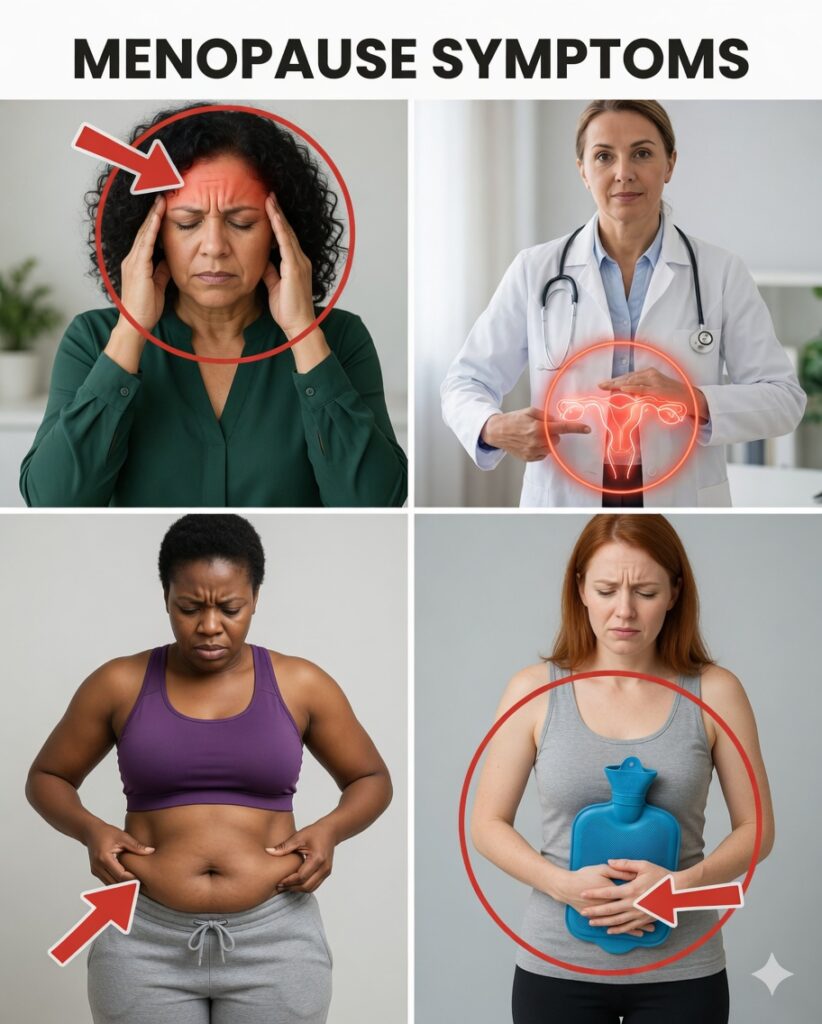
Hot Flashes, Constant Fatigue, and Unexplained Irritability? These 9 Signs May Mean Your Body Is Entering Menopause (and Natural Ways Can Help)
Are you in your 40s or early 50s and noticing unexpected shifts in your body and mood? One day you feel drained even after a full night’s sleep; the next, you’re irritated for no clear reason. On top of that, stubborn belly weight may seem harder than ever to lose—no matter how well you eat or how consistently you exercise.
Often, these changes creep in quietly and get blamed on stress, getting older, or simply being busy. But for millions of women, they’re early clues of perimenopause or menopause—a normal life transition marked by fluctuating, then declining levels of key female hormones, especially estrogen and progesterone.
The encouraging news: spotting the signs early makes it easier to manage symptoms, protect your energy, and feel like yourself again. And there’s one surprisingly simple habit—daily tracking—that many women say completely changed how they handled this phase (more on that below).
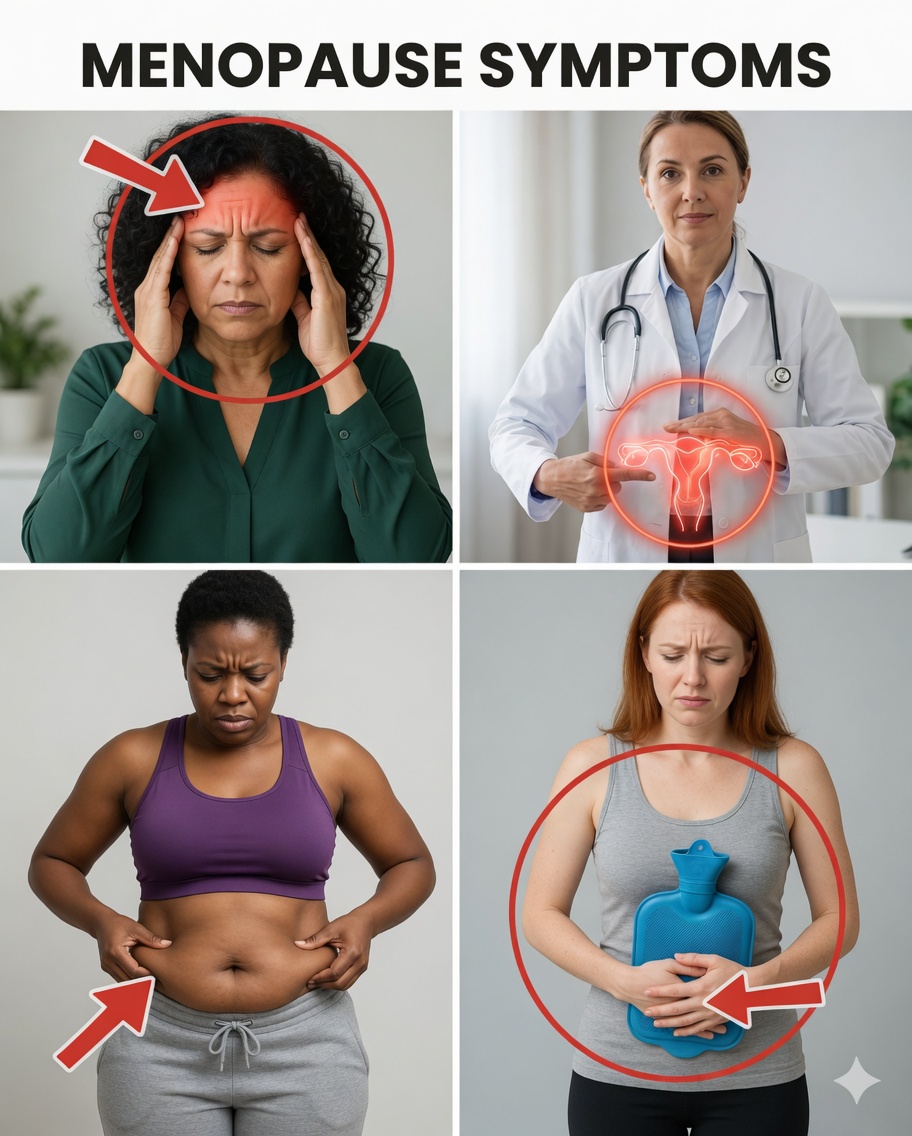
What Exactly Is Menopause?
Menopause is officially diagnosed when you’ve gone 12 consecutive months without a period. The average age this happens is around 51.
However, the shift typically starts years earlier during perimenopause, when hormone levels begin to rise and fall unpredictably. These hormonal swings can affect far more than your cycle—they may influence sleep, mood, memory, focus, and everyday confidence.
Learning what’s typical in this stage can help you distinguish between normal hormonal changes and symptoms that deserve closer attention.
9 Signs You May Be Entering Menopause
If several of these sound familiar, it may be time to listen more closely to your body.
1. Hot Flashes and Night Sweats
This is the most recognized symptom. A sudden wave of heat can surge from the chest to the face, often with sweating—and sometimes followed by chills.
Many women also experience night sweats, which disrupt sleep and contribute to next-day exhaustion.
2. Irregular Periods
A once-predictable cycle may become inconsistent. Your period might come late, arrive heavier or lighter than usual, or disappear for months at a time.
This happens because ovulation becomes less reliable as hormone levels gradually decline.
3. Mood Shifts
Emotional ups and downs, irritability, or sudden sadness can appear seemingly out of nowhere.
Estrogen influences neurotransmitters such as serotonin, which play a major role in mood regulation and emotional stability.
4. Brain Fog
Struggling to find words mid-conversation, losing your train of thought, or feeling less sharp can all be common during this transition.
5. Persistent Fatigue
Even with “enough” sleep, many women describe ongoing tiredness. Hormonal changes—plus sleep interruptions from night sweats or anxiety—often drive this fatigue.
6. Unexpected Weight Gain (Especially Around the Abdomen)
As metabolism slows, fat storage patterns can shift. Many women notice weight accumulating more easily around the midsection.
7. Vaginal Dryness
Lower estrogen can lead to vaginal dryness, irritation, or discomfort during intimacy, which may also affect desire and confidence.
8. Sleep Problems
Trouble falling asleep, waking repeatedly at night, or waking too early are frequent complaints in perimenopause and menopause.
9. Joint Aches and Stiffness
Pain or stiffness in the hands, knees, hips, or other joints may increase. Estrogen has anti-inflammatory effects, so its decline can influence joint comfort.
Common vs. Less Talked-About Symptoms
Most widely recognized symptoms
- Hot flashes
- Night sweats
- Irregular periods
Less discussed (but very real) symptoms
- Brain fog
- Joint pain
- Unexplained fatigue
- Irritability
If you recognize several of these signs, you’re not alone—and it’s not “all in your head.”
Natural Ways to Ease Menopause Symptoms
1. Track Your Symptoms Daily (Simple but Powerful)
Try a small symptom log for about 4 weeks. Note:
- Hot flashes and night sweats
- Sleep quality
- Mood changes
- Menstrual cycle patterns
- Possible triggers (coffee, stress, spicy foods, alcohol)
This daily tracking habit helps you spot patterns, identify triggers, and communicate clearly with a healthcare professional if needed.
2. Support Better Sleep
- Keep your bedroom cool
- Reduce screen time before bed
- Use deep breathing, mindfulness, or short meditation sessions
3. Move Your Body Regularly
Gentle, consistent activity can improve metabolism, mood, and bone health. Consider:
- Walking
- Yoga
- Moderate strength training
4. Eat a Balanced, Menopause-Friendly Diet
Include foods rich in:
- Omega-3s (fatty fish, flaxseed)
- Calcium (dairy or fortified plant alternatives)
- Natural phytoestrogens (soy, flaxseed)
Limit excess:
- Alcohol
- Caffeine
- Very spicy foods (especially if they trigger hot flashes)
5. Reduce Stress in Small, Realistic Ways
Even simple habits can make a difference:
- Outdoor walks
- Reading
- 10 minutes a day of slow breathing
6. Care for Intimate Comfort
Natural vaginal moisturizers or lubricants can reduce dryness and discomfort during intimacy.
7. Seek Professional Support When Needed
If symptoms feel severe or start affecting your daily life, talk with a qualified healthcare professional to explore options tailored to you.
Conclusion
Menopause is not an illness—it’s a natural new stage of life. While the symptoms can feel confusing at first, recognizing them early allows you to adjust your lifestyle, get the right support, and regain a sense of control.
Many women say that after the initial adjustment period, they feel stronger, more body-aware, and more confident.
Your body isn’t failing—it’s turning a page into a new chapter.
Frequently Asked Questions
When do the first signs of menopause usually begin?
Many women notice early symptoms between 45 and 50, during perimenopause.
How long do menopause symptoms last?
For some, symptoms last a few years; for others, they persist longer. The timeline varies widely from person to person.
When should I see a doctor?
Seek medical advice if symptoms disrupt your routine, feel intense, or come with unusual bleeding or significant emotional changes.
Disclaimer: This article is for informational purposes only and does not replace professional medical advice. Always consult a qualified healthcare professional for diagnosis and appropriate treatment.