High Blood Pressure: The Silent Threat You Can’t Feel
High blood pressure, often nicknamed the “silent killer,” affects millions of people without causing any obvious discomfort. You can feel completely normal for years while elevated pressure steadily strains your arteries and damages vital organs like the heart, brain, kidneys, and eyes. Many people only discover they have hypertension during a routine exam—or after a serious health event.
The most alarming part is this: by the time clear warning signs appear, blood pressure may already be dangerously high.
The upside? Paying closer attention to your health and getting regular blood pressure checks can dramatically reduce your risk. This guide walks you through possible warning signs linked to high blood pressure, what they might indicate, and practical steps you can start using today. Stay with it to the end—there’s one simple daily habit that research suggests many people ignore, yet it’s surprisingly powerful for healthier blood pressure.
Why High Blood Pressure Is Called the “Silent Killer”
Most people living with high blood pressure don’t feel any different from usual. Trusted organizations such as the Mayo Clinic and the American Heart Association emphasize that noticeable symptoms are uncommon unless blood pressure reaches extremely high levels (often above 180/120 mmHg).
Because of this, checking your blood pressure regularly is crucial. It’s the only reliable way to detect hypertension early.
When very high blood pressure does cause symptoms, they are often vague and can be mistaken for other issues. Headaches, dizziness, or fatigue, for example, might just seem like stress, lack of sleep, or dehydration. Still, if these problems keep coming back without a clear explanation, it’s wise to check your blood pressure. Studies show that identifying and managing hypertension early significantly cuts the risk of heart disease, stroke, kidney damage, and other complications.
Possible Warning Signs of High Blood Pressure
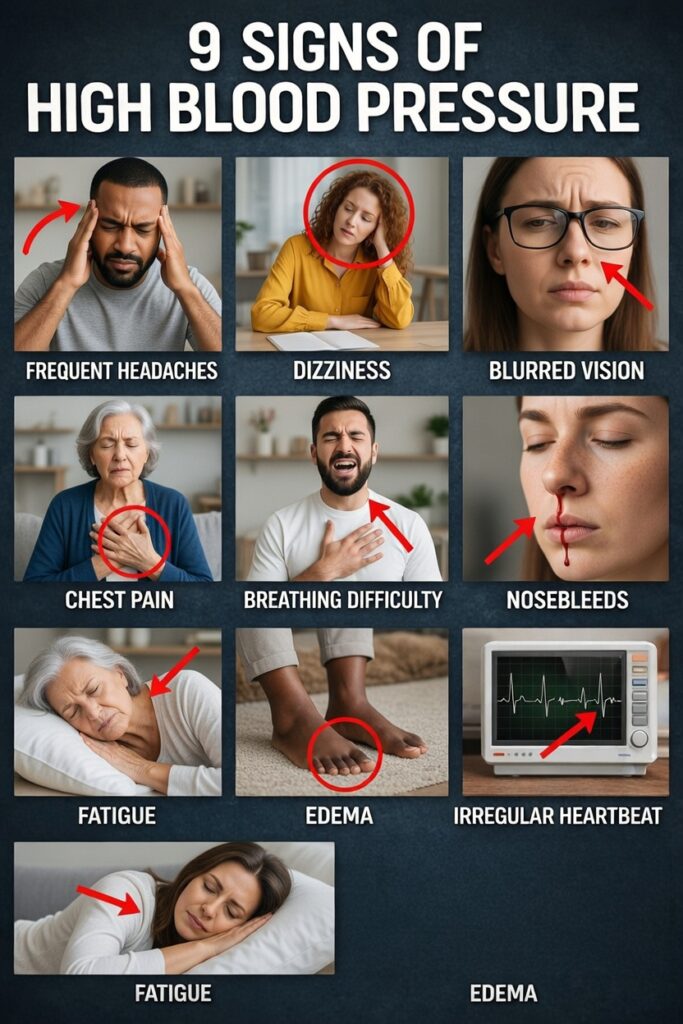
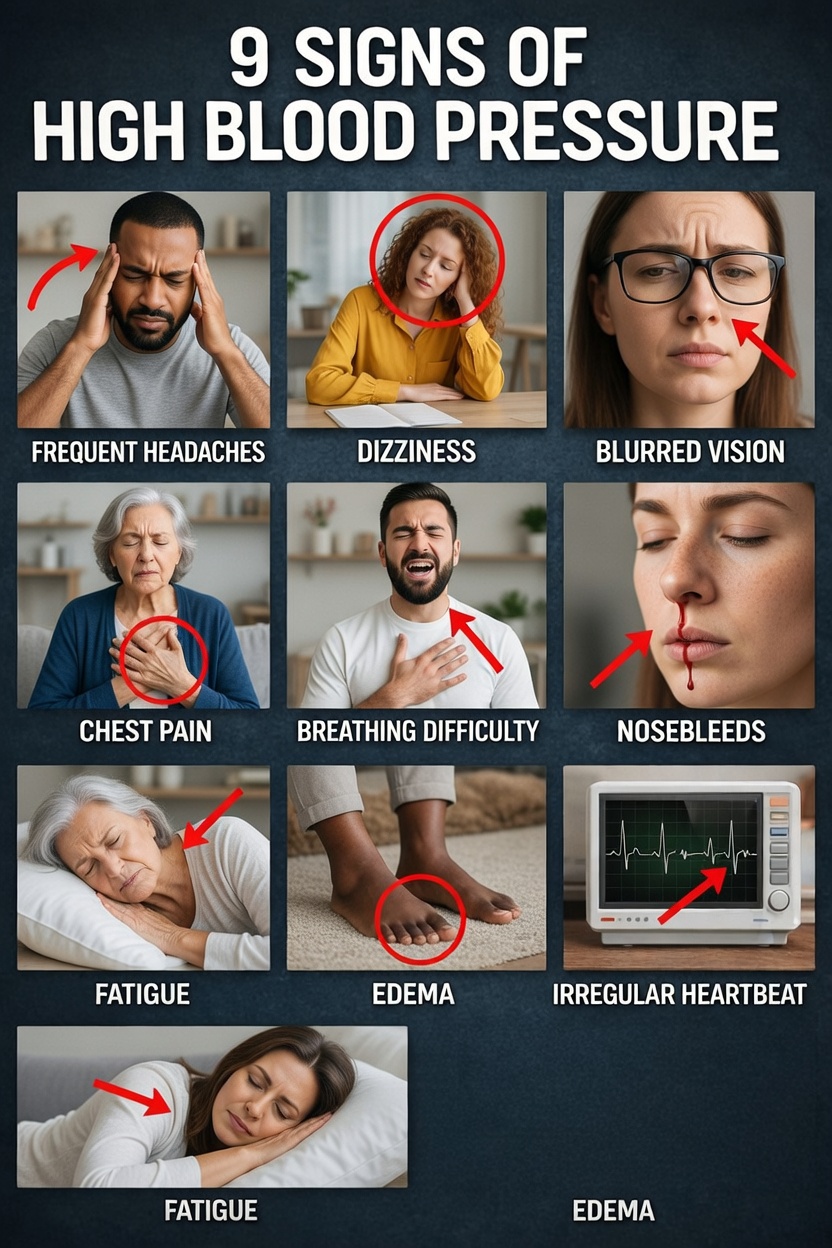
The symptoms below can sometimes appear when blood pressure is very high or has been elevated for a long time. They are not proof of hypertension on their own, but they are signals that you should talk with a healthcare professional and consider getting checked.
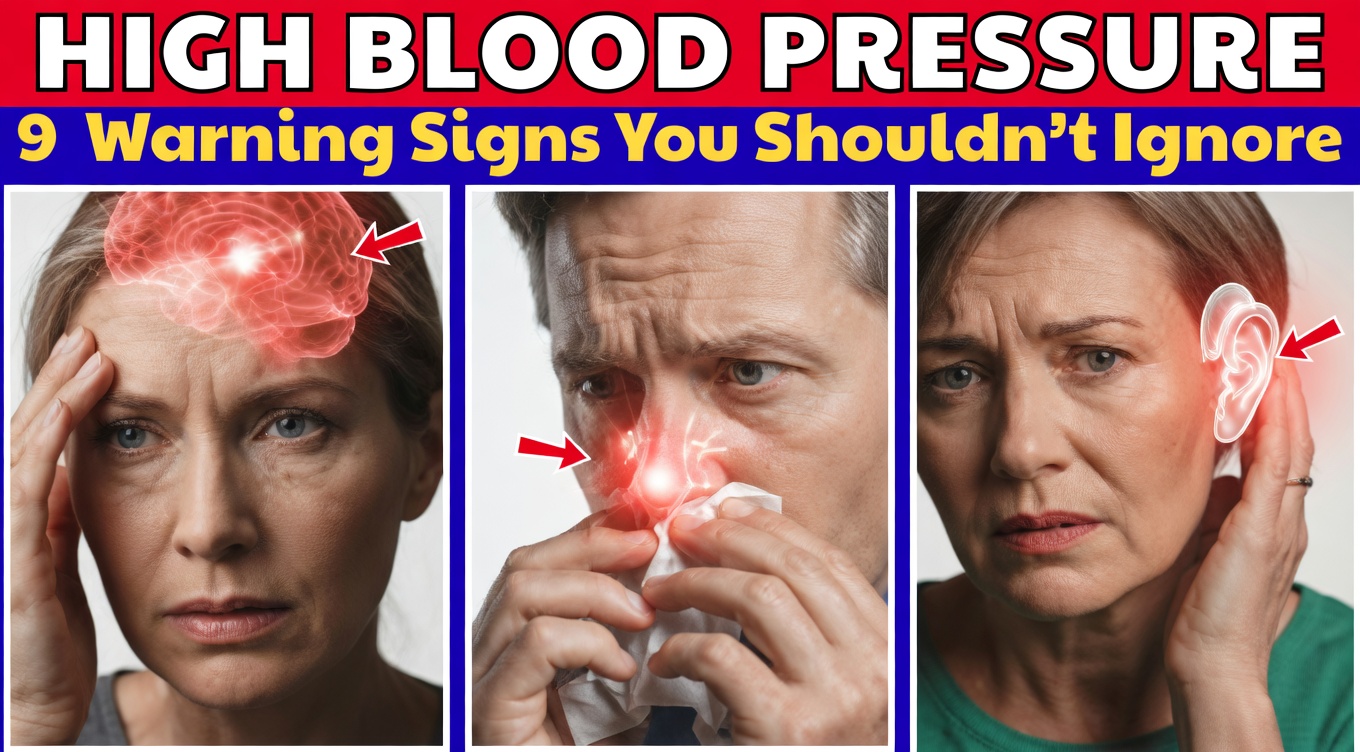
1. Frequent Headaches
Some people with high blood pressure report recurring headaches, especially in the morning or at the back of the head. Research suggests these can be linked to blood pressure spikes at night. If you often wake up with unexplained headaches, it may be worth monitoring your blood pressure over time.
2. Dizziness or Lightheadedness
Feeling faint, unsteady, or woozy—particularly when standing up quickly—can sometimes be associated with changes in blood flow to the brain. Health organizations note that dizziness is a commonly reported symptom in people with significantly elevated blood pressure, though it’s not specific to hypertension alone.
3. Blurred Vision or Other Vision Changes
Sudden blurry vision, seeing spots, or other visual disturbances can occur when high blood pressure affects the delicate blood vessels in the eyes. The American Heart Association lists vision problems as a warning sign in hypertensive emergencies, when blood pressure is extremely high and requires urgent care.
4. Chest Pain or Chest Pressure
A feeling of pressure, tightness, or pain in the chest may be a sign that your heart is working harder than it should due to high blood pressure. This symptom is serious. If chest discomfort appears suddenly, especially with other symptoms like shortness of breath or sweating, seek emergency medical attention immediately.
5. Shortness of Breath
If you find yourself struggling to catch your breath during routine activities—or if breathing becomes harder when you lie down—it may suggest that your heart is under strain. High blood pressure can contribute to heart failure and other conditions that make breathing more difficult.
6. Nosebleeds
Most nosebleeds are harmless and unrelated to blood pressure. However, frequent or unusually heavy nosebleeds have been reported in people with very high readings, according to sources such as the World Health Organization. Persistent nosebleeds should be discussed with a healthcare provider.
7. Fatigue or Unusual Tiredness
Feeling drained or exhausted for no obvious reason can be a sign that your heart and circulatory system are overworked. People with long-term high blood pressure sometimes describe a persistent low-energy feeling or difficulty completing normal daily tasks.
8. Swelling in Legs, Ankles, or Feet (Edema)
When high blood pressure affects kidney function or circulation, your body may retain fluid. This can lead to visible swelling in the lower legs, ankles, or feet. If pressing a finger into the swollen area leaves a temporary dent, it may be edema, which deserves medical evaluation.
9. Irregular Heartbeat or Palpitations
A fluttering sensation, racing heartbeat, or feeling like your heart is skipping beats can be related to high blood pressure or heart rhythm issues. If palpitations happen frequently, keep track of when they occur and discuss them with your doctor.
These signs often overlap with other health conditions, so they should be treated as clues—not a diagnosis. Only a professional evaluation and blood pressure measurement can confirm what’s really going on.
Myths vs. Facts: Symptoms of High Blood Pressure
There are many misunderstandings about how high blood pressure feels. Here’s a quick reality check:
-
Myth: Everyone with high blood pressure has headaches and nosebleeds.
Fact: Most people have no noticeable symptoms at all. That’s why hypertension is called “silent.” -
Myth: If you feel fine, your blood pressure must be normal.
Fact: Serious damage can occur quietly over time. Regular measurements are essential, even if you feel well. -
Myth: Only older adults need to worry about high blood pressure.
Fact: Hypertension can affect people of all ages, including young adults—and even teenagers.
Simple Ways to Support Healthy Blood Pressure
You don’t need to overhaul your life overnight. Small, consistent changes can add up to real benefits. Here are evidence-based strategies recommended by major health organizations:
1. Check Your Blood Pressure at Home
- Use a validated home blood pressure monitor.
- Measure at about the same time on each chosen day, after sitting calmly for a few minutes.
- Keep a log of your readings to share with your doctor and spot trends early.
2. Move Your Body More
- Aim for around 30 minutes of moderate activity—like brisk walking—on most days of the week.
- Even short 10-minute walks spread throughout the day can make a difference.
- Regular exercise helps the heart pump more efficiently and supports healthier blood pressure.
3. Focus on a Heart-Healthy Eating Pattern
- Reduce sodium intake: target less than 2,300 mg of salt per day, and ideally around 1,500 mg if possible.
- Emphasize fruits, vegetables, whole grains, beans, nuts, and lean proteins.
- Eating in line with the DASH (Dietary Approaches to Stop Hypertension) pattern has been shown to lower blood pressure in many people.
4. Manage Stress Effectively
- Practice deep breathing, mindfulness, or meditation.
- Try relaxing activities like reading, gentle stretching, or spending time in nature.
- Ongoing stress can encourage higher blood pressure over time, so building stress-management habits is key.
5. Limit Alcohol and Avoid Smoking
- If you drink alcohol, do so in moderation (or not at all), following your doctor’s advice.
- Smoking and vaping damage blood vessels quickly and increase blood pressure and heart disease risk.
- Quitting tobacco is one of the most powerful steps you can take for cardiovascular health.
6. Maintain a Healthy Weight
- Even modest weight loss—about 5–10% of your body weight—can reduce blood pressure.
- Focus on sustainable habits rather than crash diets: balanced eating, regular movement, and good sleep.
7. Don’t Overlook Sleep
One commonly ignored habit? Quality sleep. Research consistently links poor sleep quantity and quality to higher blood pressure and greater heart risk.
- Aim for 7–9 hours of sleep per night.
- Go to bed and wake up at consistent times.
- Create a calm, dark, and cool sleep environment, and limit screens before bed.
When to Seek Immediate Medical Help
High blood pressure can sometimes reach a level that becomes a medical emergency, known as a hypertensive crisis.
Call emergency services or go to the nearest emergency department right away if you experience:
- Severe headache
- Chest pain or pressure
- Shortness of breath
- Confusion or trouble thinking clearly
- Sudden vision changes
- Weakness, numbness, or difficulty speaking
- A blood pressure reading of 180/120 mmHg or higher, especially with any of the symptoms above
For ongoing concerns or milder symptoms, schedule a visit with your healthcare provider. They can review your readings, assess your overall health, and recommend a treatment plan tailored to you.
Take Charge: Small Steps Start Today
High blood pressure often hides in plain sight, but you are not powerless. By checking your numbers regularly, noticing changes in your body, and making gradual lifestyle adjustments, you can protect your heart and long-term health.
Start with just one action today:
- Take a blood pressure reading,
- Go for a short walk,
- Or set a consistent bedtime.
Consistent small steps add up—and your future self will thank you for them.
Frequently Asked Questions About High Blood Pressure
What usually causes high blood pressure?
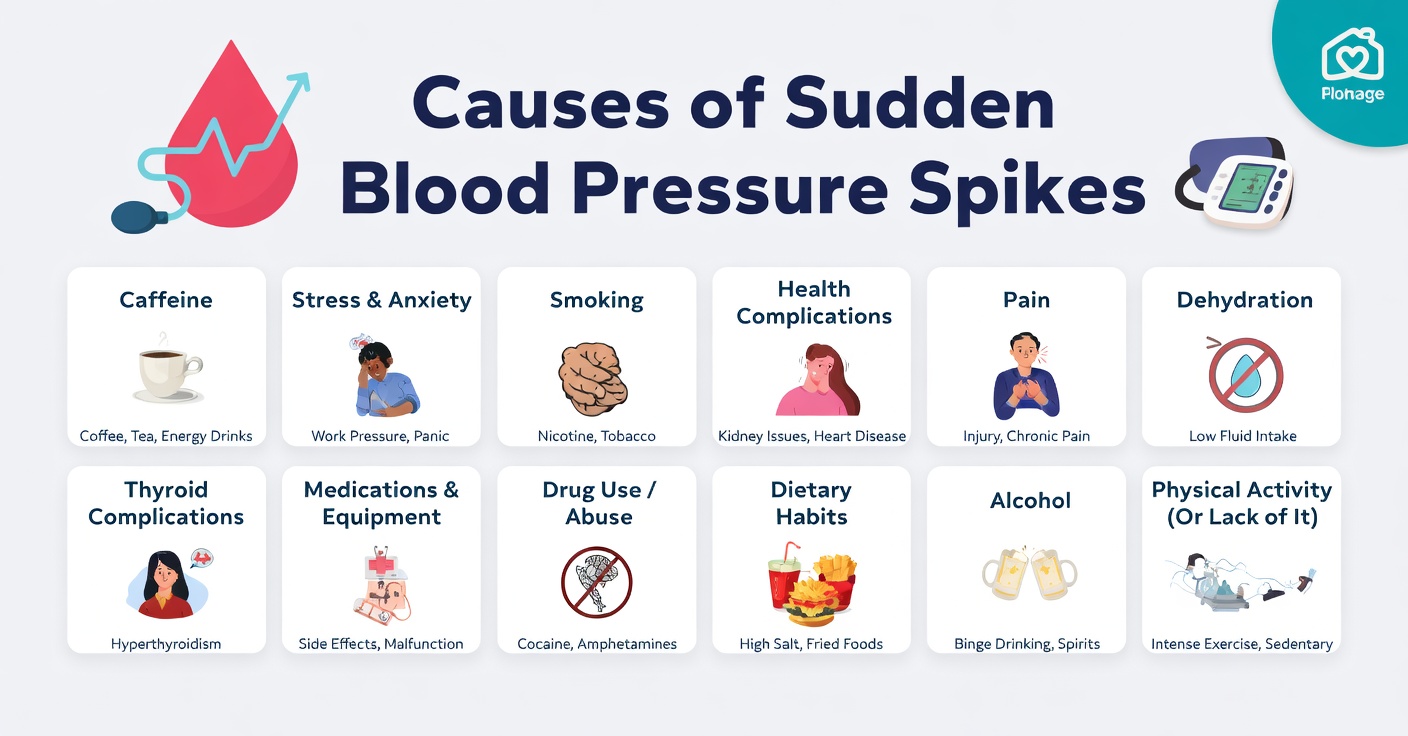
High blood pressure often develops from a mix of factors, including:
- Age and family history
- Diets high in salt and processed foods
- Lack of physical activity
- Excess body weight
- Chronic stress
- Smoking and excessive alcohol use
In many cases, there’s no single identifiable cause. This is known as primary (essential) hypertension. When high blood pressure is due to another medical condition or medication, it’s called secondary hypertension.
How often should I check my blood pressure?
- If your blood pressure is normal and you have no major risk factors, checking it every 1–2 years or during routine doctor visits is often sufficient.
- If you have elevated readings, known hypertension, or risk factors such as diabetes, kidney disease, or a strong family history, your doctor may recommend more frequent checks—often at home as well as in the clinic.
Can lifestyle changes alone help control high blood pressure?
For many people, lifestyle changes can significantly lower blood pressure and may reduce the need for medication. These include:
- Eating a heart-healthy, lower-sodium diet
- Exercising regularly
- Lowering stress levels
- Limiting alcohol
- Not smoking
- Reaching and maintaining a healthy weight
However, some individuals will still need medication even with strong lifestyle habits. Your healthcare provider can guide you on what combination of changes and treatments is best for your specific situation.