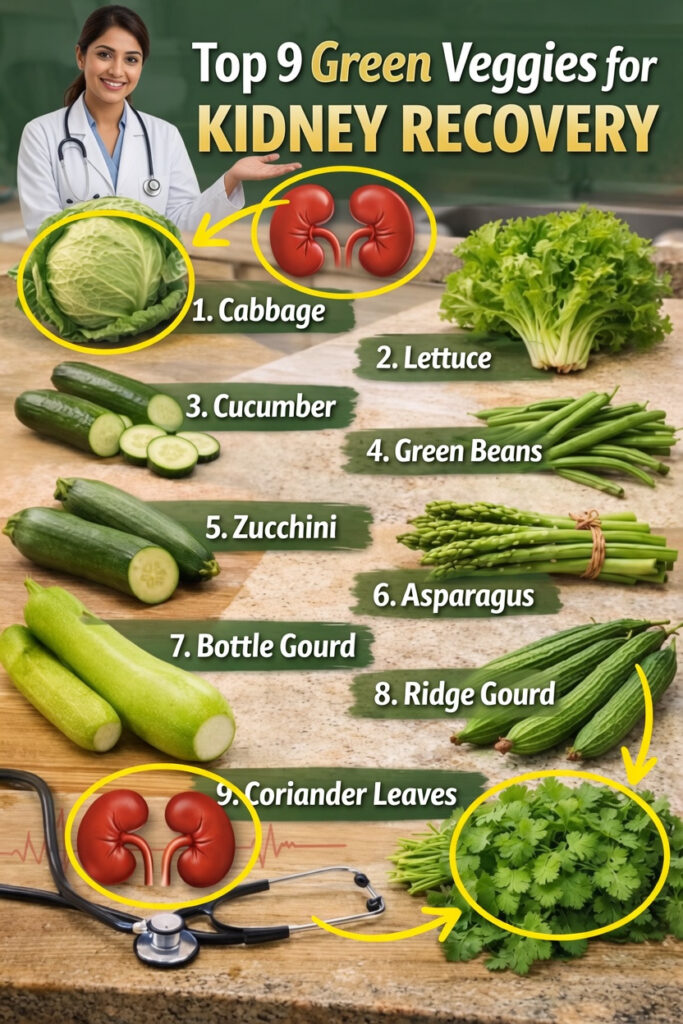
9 Low-Potassium Green Vegetables That Can Support Kidney Health
Living with kidney issues can make daily eating decisions feel stressful. Because the kidneys work nonstop to remove waste and help regulate fluid balance, extra strain on them may lead to swelling, tiredness, or uneven energy throughout the day. One practical way to support overall kidney wellness is by adding low-potassium green vegetables to your meals. These foods can help with hydration, fiber intake, and a better nutrient balance.
What many people do not realize is that not every green vegetable is equally suitable for a kidney-friendly diet. Choosing the right ones can make everyday meals easier and may help you feel better over time. Later in this guide, you will also find a simple daily habit that makes using these vegetables even more convenient.
Why Green Vegetables Matter for Kidney Support
Green vegetables naturally provide water, fiber, and antioxidant compounds that help the body stay in balance. According to guidance from trusted organizations such as the National Kidney Foundation, lower-potassium vegetables can be useful in meal planning for people who need to be mindful of kidney health. Compared with certain starchy vegetables or darker leafy greens, these options are often gentler when potassium intake needs attention.
Research also suggests that diets rich in hydrating, fiber-rich produce can support digestion and fluid regulation. That may help reduce some of the pressure placed on the kidneys in daily life.
The most helpful choices are vegetables that stay relatively low in potassium while still offering nutrients such as vitamins A, C, and K, along with plenty of moisture to support the body’s natural waste-removal processes.
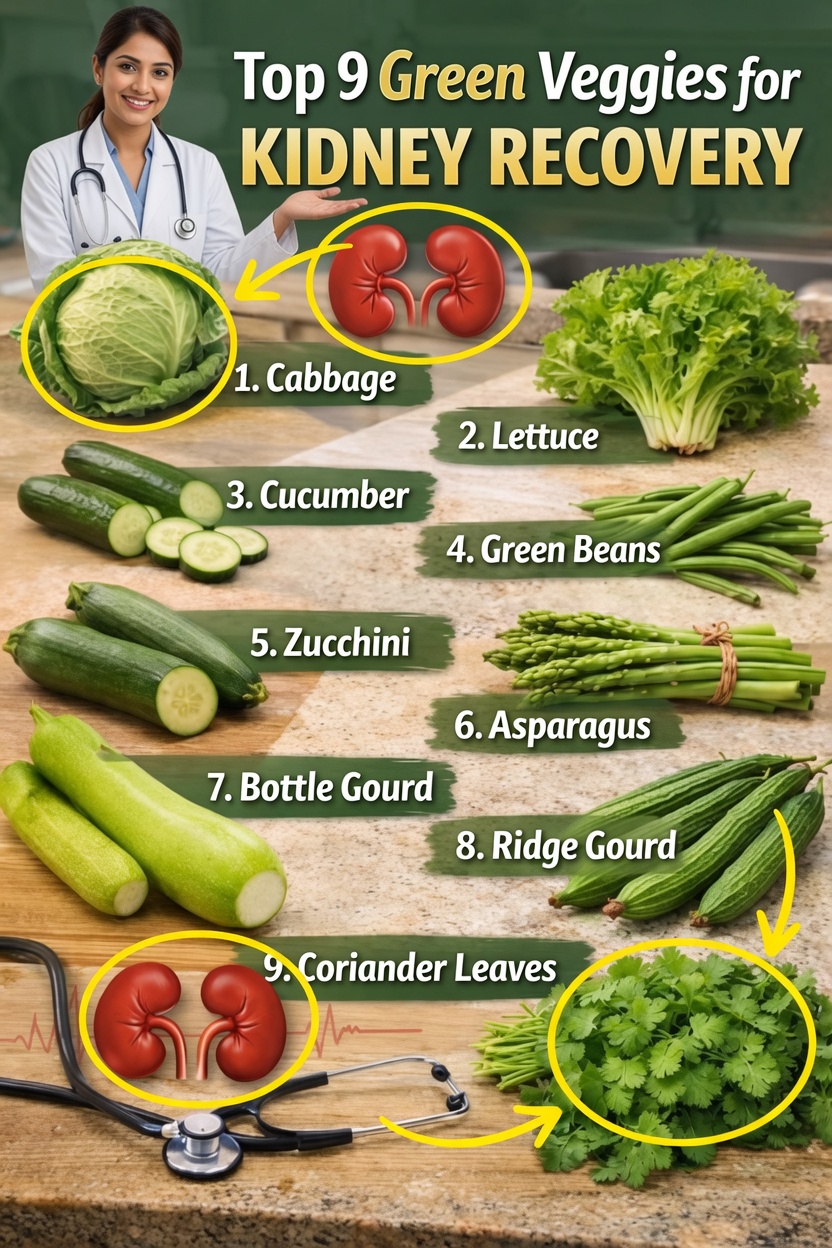
Top 9 Green Vegetables to Consider
Below are nine easy-to-use green vegetables commonly included in kidney-conscious eating plans, especially when portions are kept moderate.
1. Cabbage
Cabbage is a cruciferous vegetable that is naturally low in potassium, with roughly 60 mg per half-cup serving. It also contains antioxidants and fiber that can support digestion. Its crunchy texture makes it a great choice for salads, slaws, soups, or quick stir-fries.
2. Lettuce
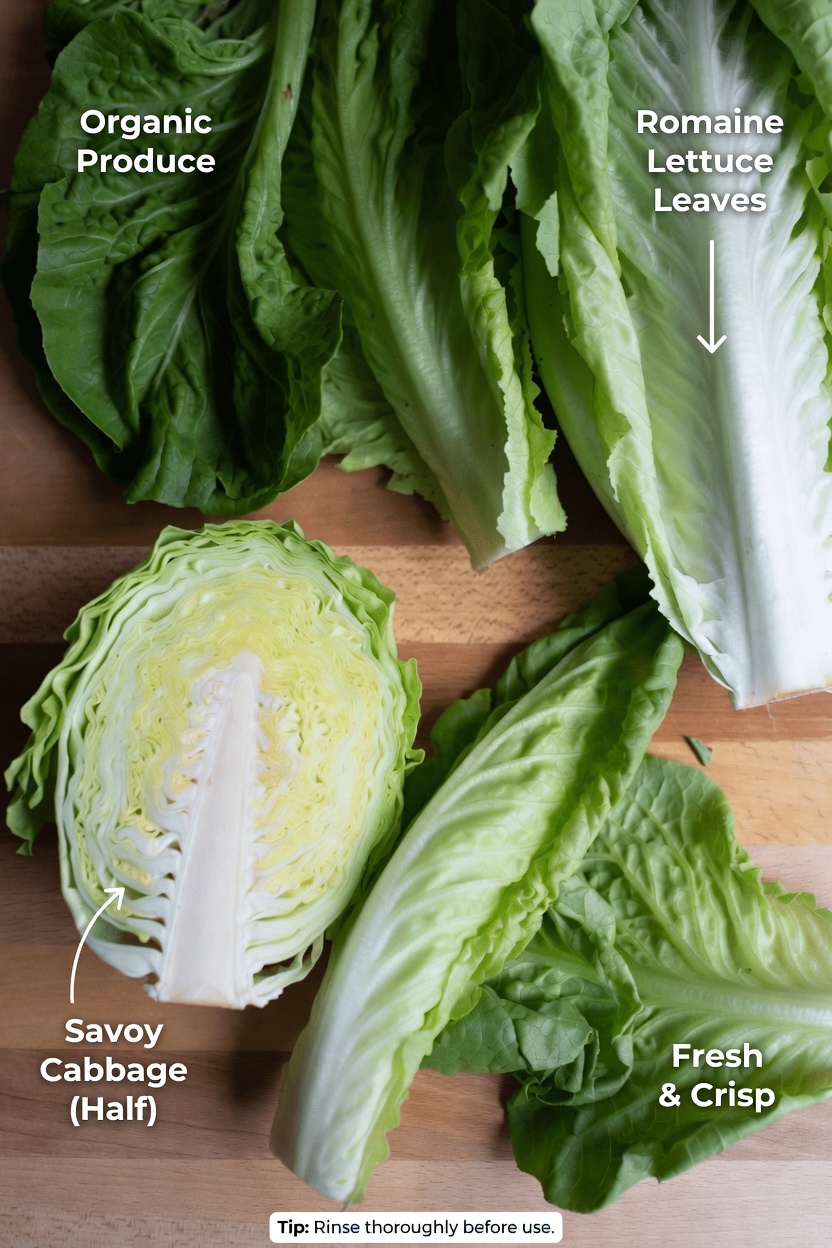
Lettuce is light, crisp, and highly hydrating. It provides vitamins A and K while keeping potassium relatively low. It works well in wraps, sandwiches, and simple side salads, making it an easy everyday option.
3. Cucumber
Cucumber is made up of more than 95% water, which makes it one of the most refreshing vegetables for a kidney-friendly meal plan. It can help support hydration and fits easily into snacks, salads, or infused water.
4. Green Beans
Green beans offer fiber and beneficial plant compounds that may help support stable blood sugar and healthy digestion. When fresh or prepared properly, they remain a lower-potassium option and are easy to steam, sauté, or add to mixed dishes.
5. Zucchini
Zucchini has a mild flavor and a relatively low potassium content, making it a versatile choice for kidney-conscious meals. You can use it in soups, grill it as a side dish, or spiral it into a noodle alternative. It also delivers antioxidants that support overall wellness.
6. Asparagus
Asparagus is known for its gentle natural diuretic effect due to compounds such as asparagine. In moderate portions, it may support urinary health and help the body eliminate excess sodium more naturally.
7. Bottle Gourd
Bottle gourd, also called lauki in some cultures, is very light, hydrating, and easy on digestion. It is commonly used in kidney-supportive meal patterns because of its high water content and low calorie load.
8. Ridge Gourd
Ridge gourd, or turai, is another easy-to-digest vegetable with a helpful amount of fiber. It can support regular digestion without feeling heavy and works well in curries, sautéed dishes, or simple vegetable mixes.
9. Coriander Leaves (Cilantro)
Coriander leaves add fresh flavor while also providing antioxidant support. Some studies suggest cilantro may help reduce oxidative stress and assist the body in lowering certain heavy metal accumulation, which may be beneficial for kidney health.
What Makes These Greens Stand Out?
These vegetables are appealing for several reasons, especially if you are trying to build a more kidney-friendly plate.
- Lower potassium content: Most of these vegetables generally fall below about 200 to 250 mg per serving, though exact values can vary by portion and preparation.
- Hydration support: Cucumber, lettuce, and bottle gourd are especially rich in water.
- Fiber for digestion: Green beans, zucchini, and ridge gourd can help promote regular digestion.
- Antioxidant benefits: Cabbage, coriander, and asparagus contribute protective plant compounds.
Because they offer different textures, flavors, and nutritional strengths, it is easy to rotate them through your meals without getting bored.
Easy Ways to Add These Vegetables to Your Diet
If you want to start using these greens right away, keep the process simple.
-
Begin with one at a time
Add just one new vegetable to a meal, such as cucumber slices with lunch or sautéed zucchini with dinner. -
Watch portion sizes
A half-cup serving is a practical starting point for most cooked vegetables when potassium intake is being monitored. -
Choose simple cooking methods
Steaming, boiling, draining, grilling, or eating raw can all work well. In some cases, boiling and draining may help reduce potassium further. -
Season without excess salt
Use lemon juice, garlic, vinegar, or fresh herbs to add flavor instead of relying on sodium-heavy seasonings. -
Create an easy daily routine
Try a light “green boost” blend using lettuce, cucumber, and coriander, or prepare a quick stir-fry base with cabbage and zucchini for busy days.
Many people find it helpful to notice how they feel after adding these vegetables consistently for a week. Small wins can build strong motivation.

Small Changes Can Offer Meaningful Support
Adding these nine green vegetables to your routine can be a simple step toward better kidney-friendly eating. The goal is not extreme restriction, but better balance, hydration, and enjoyable meals. Pair these vegetables with low-sodium foods and appropriate fluid intake for a more supportive everyday approach.
FAQ
Are all green vegetables good for kidney concerns?
No. Some green vegetables, such as spinach, can be higher in potassium. It is better to focus on lower-potassium choices and follow guidance from your healthcare provider or dietitian.
How much of these vegetables can I eat each day?
A common starting point is 2 to 3 servings per day, with each serving around half a cup. However, your ideal amount should be based on your lab results, medical condition, and professional nutrition advice.
Do these vegetables need to be cooked in a special way?
Not always. Some, like cucumber and lettuce, are excellent raw. Others can be steamed or boiled. For certain vegetables, boiling and draining may help reduce potassium, depending on the food and your dietary needs.