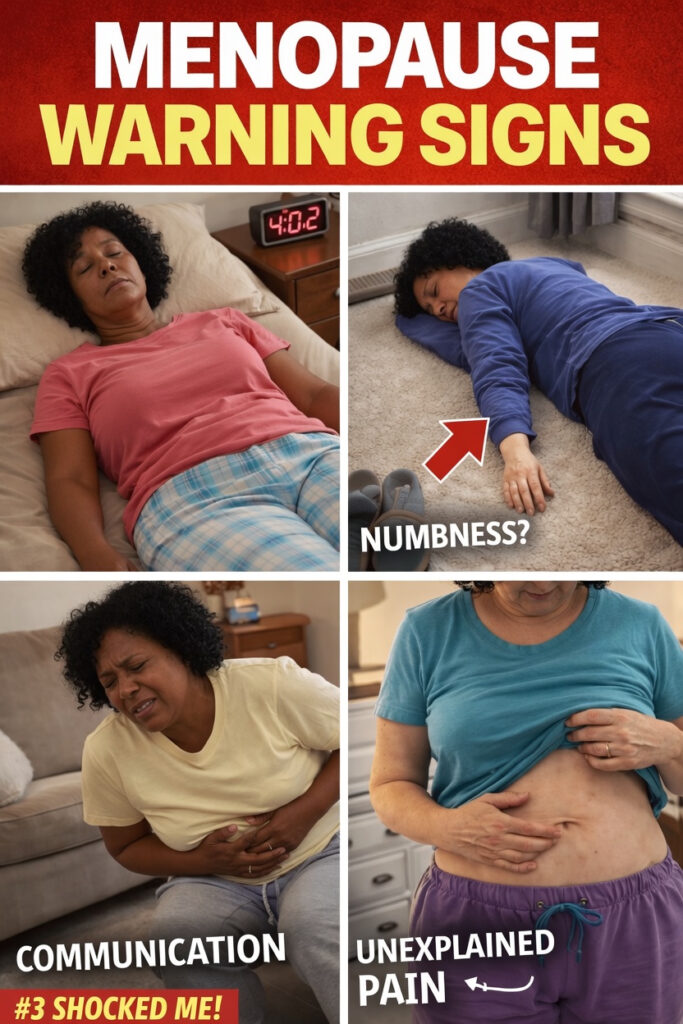
When Your Body Starts Changing in Your 40s and 50s
Many women in their 40s and 50s suddenly find themselves waking up at night feeling overheated, sweaty, and uncomfortable. Others notice their usual clothes fitting differently, especially around the waist. These changes can feel unexpected and unsettling, often bringing frustration, disrupted routines, and questions about what is happening to the body.
Low energy, poor sleep, and emotional swings can make daily life feel harder than it used to. The good news is that understanding these shifts can bring clarity and confidence. There is also one simple lifestyle habit that helps many women handle these symptoms more effectively than they expected, and we will reveal it near the end.
What Menopause Actually Does to the Body
Menopause is a normal life phase marked by the permanent end of menstrual periods. For most women, it happens around age 51, although the transition often starts earlier during perimenopause. During this time, hormone levels, especially estrogen, begin to rise and fall unpredictably, affecting multiple systems throughout the body.
Medical organizations such as the Mayo Clinic and the North American Menopause Society report that millions of women experience noticeable physical and emotional symptoms during this transition. Recognizing the early signs can help you take practical action instead of feeling confused or caught off guard.
But menopause is not always obvious at first. Its symptoms can appear in ways that many women do not immediately connect to hormonal change.
9 Common Signs You May Be Going Through Menopause
Health professionals frequently identify the following nine symptoms as some of the most common signs of menopause and perimenopause:
- Irregular menstrual cycles
- Hot flashes
- Night sweats
- Sleep problems
- Mood changes
- Weight gain, especially around the midsection
- Ongoing fatigue
- Brain fog
- Changes in skin, hair, or overall vitality
Let’s look at each sign more closely so you can better recognize what may be happening in your own body.
1. Irregular Periods
One of the earliest signs of perimenopause is a change in your menstrual cycle. Your period may arrive sooner than expected, come later than usual, become lighter, grow heavier, or disappear for a month or more before returning again.
For many women, this is the first indication that hormones are shifting. Keeping track of your cycle with an app or journal can help you notice patterns and reduce uncertainty.
2. Hot Flashes
A hot flash often feels like a sudden wave of heat spreading through the chest, neck, and face. It may last only a few seconds or continue for several minutes, sometimes leaving you flushed and sweaty afterward.
According to data from the Cleveland Clinic, up to 80% of women experience hot flashes during menopause. They can happen at any time, whether you are relaxing at home or sitting in an important meeting.
3. Night Sweats
Night sweats are essentially hot flashes that strike during sleep. You may wake up drenched, uncomfortable, and unable to settle back down easily. Over time, these episodes can significantly reduce sleep quality and affect how you feel the next day.
4. Sleep Disturbances
Even when night sweats are not the main issue, many women in menopause struggle with sleep. Falling asleep may take longer, staying asleep may become difficult, or you may wake in the middle of the night and lie awake for hours.
Hormonal changes are strongly linked to these sleep disruptions. When rest becomes inconsistent, it often affects concentration, emotional balance, and daytime energy as well.
5. Mood Changes
Mood swings are another common part of the menopause transition. Some women notice increased irritability, heightened anxiety, or periods of feeling emotionally low. You might feel completely fine one moment and unusually overwhelmed the next.
Research suggests that fluctuating hormone levels, combined with poor sleep, can strongly influence emotional well-being during this stage. The reassuring part is that these changes often improve as the body gradually adapts.
6. Weight Gain Around the Abdomen
A very common complaint during menopause is gaining weight around the middle, even without major changes in eating or exercise habits. This happens partly because metabolism tends to slow with age, while declining estrogen also influences how the body stores fat.

For many women, this change feels especially discouraging. It is important to remember that it is not simply about willpower. It is a biological shift, and understanding that can help you respond more effectively.
7. Persistent Fatigue
Some women feel exhausted throughout the day, even after what should have been a full night’s sleep. Routine tasks can suddenly seem more draining, and energy levels may stay low for long periods.
This fatigue is often connected to hormonal changes, broken sleep, and the general stress the body experiences during this transition. When combined, these factors can leave you feeling physically and mentally worn down.
8. Brain Fog
Brain fog can show up as forgetfulness, difficulty focusing, or a cloudy feeling that makes it harder to think clearly. You may lose track of what you were saying, misplace things more often, or struggle to stay mentally sharp.
Although this symptom surprises many women, it is frequently discussed in medical research on menopause. In most cases, it is temporary and improves over time.
9. Changes in Skin, Hair, or Overall Energy
Menopause can also affect appearance and general vitality. Skin may become drier, hair may thin slightly, and you may not feel as energetic as before. Estrogen plays a role in collagen production and hair growth, which is why these changes can occur during this stage.
Not every woman experiences these symptoms strongly, but they are still a recognized part of the bigger picture.
These signs often do not appear one at a time. They tend to overlap, which is why early awareness matters so much.
Practical Lifestyle Steps You Can Start Right Away
One of the most encouraging things about menopause is that daily habits can make a real difference. While no routine can eliminate every symptom, many women feel noticeably better when they make supportive lifestyle changes.
Move Regularly
Aim to stay active at least four days a week with a combination of:
- Walking
- Strength training
- Gentle yoga
- Stretching or mobility work
Regular movement helps support muscle mass, energy, mood, and metabolic health.
Focus on Nutrient-Dense Meals
Build meals around foods that nourish and stabilize the body, such as:
- Vegetables
- Lean proteins
- Healthy fats
- Calcium-rich foods
- Plenty of water
Good nutrition can help support energy, bone health, and overall well-being.
Improve Your Sleep Environment
Create a bedtime routine that makes rest easier:
- Keep the bedroom cool and dark
- Go to bed at a consistent time
- Reduce screen use at least one hour before sleep
- Choose breathable sleepwear and bedding
Small changes to your evening routine can have a major impact on sleep quality.
Lower Stress in Simple Ways
Stress can intensify menopause symptoms, so even brief calming practices may help. Consider:
- Short breathing exercises
- Journaling
- Quiet stretching
- Meditation
- Time outdoors
These tools can support emotional balance in a natural and manageable way.
Track Symptoms
Write down your symptoms in a notebook or use a simple app. Tracking can help you:
- Notice patterns
- Identify symptom triggers
- See what improves with lifestyle changes
- Speak more confidently with a healthcare professional if needed
These strategies are not magic fixes, but research and real-life experience show they can make this stage more manageable.
Why Early Recognition Matters
Identifying these nine signs early can help you adjust your routine before the discomfort becomes more disruptive. If you have been wondering whether these changes are real, the answer is yes. You are not imagining them, and you are far from alone.
Every year, millions of women move through menopause successfully. Understanding what is happening is often the first and most empowering step.
And here is the surprising lifestyle habit mentioned earlier: many women benefit greatly from combining regular daytime movement with a consistent evening wind-down routine. This simple combination can improve sleep, stabilize mood, support energy, and even help with weight management. It is easy to overlook, but it can be remarkably effective.
Conclusion
Menopause is a natural transition, not a personal failure or something to fear. Yes, it brings change, but it also offers a chance to understand your body more deeply and care for it in new ways.
By learning these nine common signs, you gain more than information. You gain awareness, confidence, and practical tools to support yourself every day. Every woman’s experience is different, but knowledge remains one of the most powerful resources you can have.
FAQ
At what age do women usually notice the first signs of menopause?
Many women begin to notice changes in their mid-40s during perimenopause. Full menopause typically occurs around age 51, according to health experts.
How long do menopause symptoms usually last?
For many women, symptoms can continue for four to eight years. In most cases, they gradually become less intense as the body adjusts.
Do all women experience the same symptoms?
No. Menopause varies widely from one woman to another depending on factors such as genetics, overall health, and lifestyle. However, the nine signs listed above are among the most commonly reported in research and clinical practice.