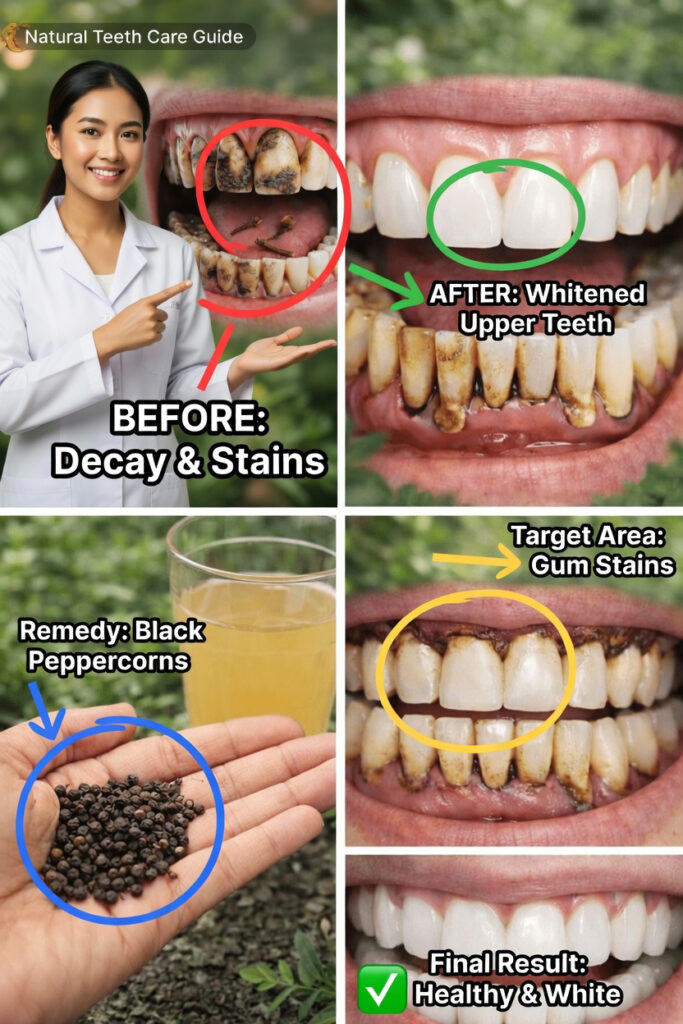
Natural Ways to Help Reduce Plaque and Tartar at Home
That yellowish layer that builds up on teeth can affect how confident you feel about your smile. It is also a daily reminder that soft plaque can gradually harden into tartar if it is not removed in time. This buildup often settles in spots that are difficult to clean, creating a rough feeling on the teeth and sometimes contributing to gum sensitivity or discomfort. Even with regular brushing, many people find that it keeps returning, which can make oral care feel frustrating.
The encouraging part is that a few simple habits and common natural ingredients may help support a cleaner mouth between dental visits. When used carefully and consistently, these methods can become useful additions to your everyday oral hygiene routine.
In this guide, you will discover practical strategies that many people use to help manage plaque naturally. Be sure to read through to the end, where we bring these ideas together into a simple routine for better daily maintenance.
Why Plaque Turns Into Tartar
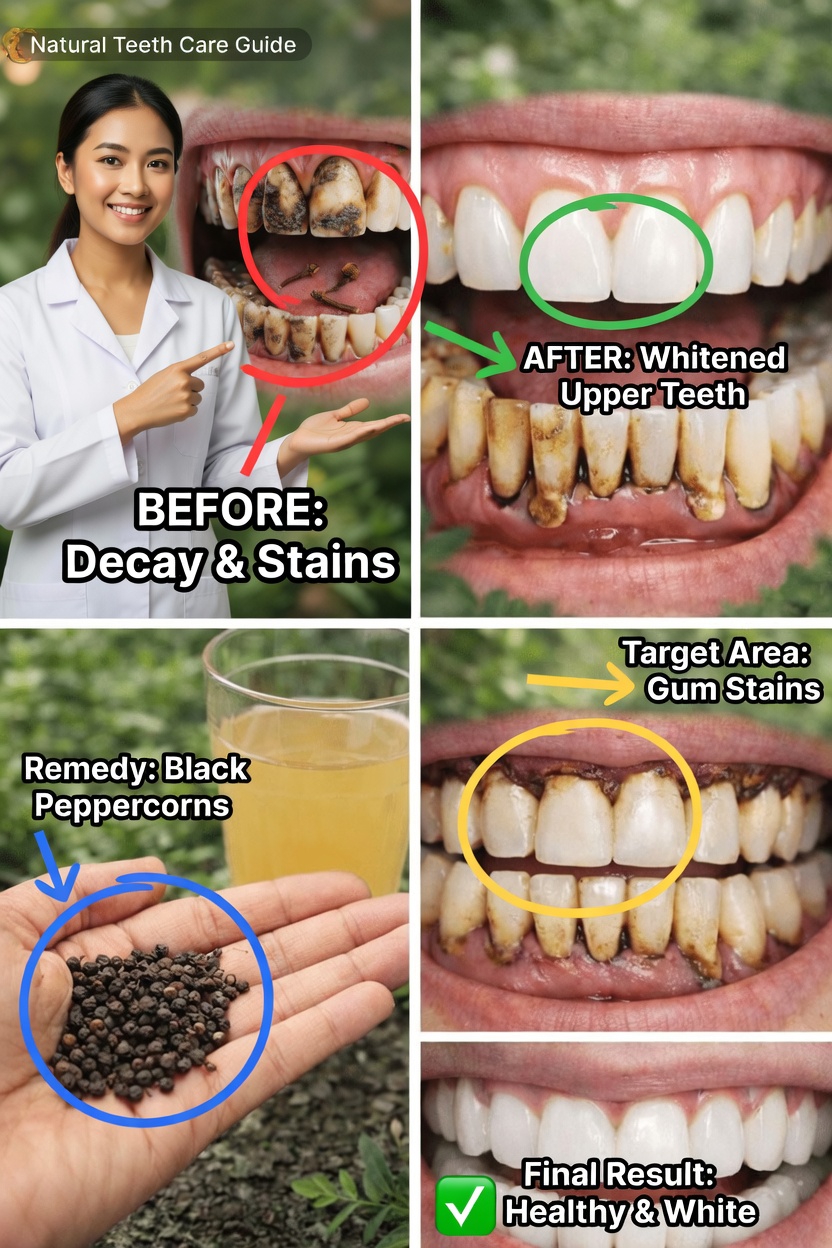
Plaque is a soft, sticky film made up of bacteria that forms on your teeth after eating and drinking. If it is not removed regularly, it can harden into tartar. Once tartar develops, it sticks firmly to the enamel and usually cannot be fully removed without professional dental cleaning.
Research has shown that good oral hygiene habits can significantly lower plaque buildup, helping keep breath fresher and teeth feeling smoother. Still, brushing by itself may not always reach every area. That is why supportive home methods can be helpful when combined with a solid daily routine.
1. Use Baking Soda for Gentle Surface Cleaning
Baking soda is often used as a mild abrasive to help lift surface plaque and stains. When used occasionally and gently, it can support cleaner-feeling teeth without being overly harsh.
How to use it:
- Mix a small amount of baking soda with water until it forms a paste.
- Apply it to your toothbrush.
- Brush gently for 1 to 2 minutes.
- Rinse your mouth thoroughly.
Some studies suggest that products containing baking soda may reduce plaque more effectively than standard toothpaste in certain situations. To avoid excessive abrasion, it is best to use this method only 2 to 3 times per week.
2. Try Oil Pulling with Coconut Oil
Oil pulling is a traditional practice that involves swishing oil around the mouth to help reduce bacteria and support oral cleanliness. Coconut oil is a popular choice because of its pleasant taste and ease of use.
How to use it:
- Take 1 tablespoon of coconut oil.
- Swish it gently in your mouth for 10 to 20 minutes.
- If you are new to it, start with a shorter time.
- Spit it out, rinse with water, and then brush your teeth as usual.
Some research indicates that coconut oil pulling may help lower plaque levels and reduce bacteria in saliva. Many people also enjoy it as a calming part of their morning routine.
3. Rinse with Diluted White Vinegar
White vinegar has natural acidic and antimicrobial properties. When properly diluted, it may help create a less favorable environment for harmful bacteria.
How to use it:
- Mix 1 to 2 teaspoons of white vinegar into 1 cup of warm water.
- Swish for 30 to 60 seconds once a day.
- Rinse well with plain water afterward.
There is some evidence that vinegar may help limit plaque formation and support oral cleanliness. However, because it is acidic, it should be used sparingly to reduce the risk of enamel wear.

4. Apply Aloe Vera Gel for Soothing Oral Support
Aloe vera is widely known for its soothing properties, and it may also offer mild antibacterial benefits for the mouth. Some people use it to support gum comfort and reduce irritation linked to plaque buildup.
How to use it:
- Take fresh aloe vera gel from a leaf or use a pure store-bought version.
- Apply a small amount to your teeth and gums.
- Leave it in place for a few minutes.
- Rinse your mouth afterward.
Its natural compounds may help calm the gums and support a fresher, cleaner feeling after brushing.
5. Rub Orange Peel on Teeth
The white inner part of orange peel contains natural compounds that may help freshen and clean tooth surfaces.
How to use it:
- Take a fresh piece of orange peel.
- Rub the inner white side gently over your teeth for 2 to 3 minutes.
- Rinse well afterward.
Orange peel contains vitamin C and other plant compounds that may help fight bacteria. Used a few times a week, it can be a simple natural addition to your routine.
6. Chew Sesame Seeds for a Mild Scrubbing Effect
Sesame seeds can provide gentle mechanical cleaning as you chew, similar to a natural polishing action. They may also stimulate saliva production, which helps rinse away food particles.
How to use it:
- Chew 1 teaspoon of sesame seeds slowly.
- Move them around the mouth before swallowing or spitting them out.
- Brush your teeth afterward as usual.
Their texture may help clean the surface of the teeth while saliva works to naturally wash away debris.
7. Use Cloves for Their Antibacterial Properties
Cloves have been used in oral care for generations. They are valued for their warming effect and their potential to help reduce oral bacteria.
How to use them:
- Gently chew 1 or 2 whole cloves.
- Or make a paste using ground cloves and a small drop of oil.
- You can also rinse with clove-infused water.
Studies have suggested that clove oil may help control certain types of oral bacteria. Use cloves carefully and in small amounts to avoid irritation.
8. Consider Guava Leaves and Other Herbal Remedies
In some cultures, chewing guava leaves is a traditional way to support oral health. These leaves contain plant compounds that may help reduce bacterial activity and support gum wellness.
How to use them:
- Wash 4 to 5 young guava leaves thoroughly.
- Chew them for a few minutes.
- Spit them out and rinse your mouth.
This herbal method may be a helpful natural option for people looking to expand their oral care habits.
9. Eat Crunchy Fruits and Vegetables
Raw fruits and vegetables such as apples, carrots, and celery can act like nature’s toothbrushes. Their firm texture helps scrub the teeth while chewing, and they also encourage saliva flow.
How to use them:
- Eat them raw, especially after meals.
- Chew thoroughly to let the fiber contact the tooth surfaces.
Extra saliva helps neutralize acids in the mouth and remove leftover food particles, making these foods a smart addition to a tooth-friendly diet.

A Smarter Approach: Combine Methods for Better Daily Support
These natural techniques may be even more helpful when paired thoughtfully. For example, some people use oil pulling in the morning and follow it with gentle baking soda brushing a few times a week. This layered approach can leave teeth feeling smoother and the mouth feeling fresher.
The key is consistency. Small habits repeated regularly often make a bigger difference than occasional intense efforts.
Daily Habits vs. Occasional Natural Boosts
Daily essentials
- Brush twice a day with fluoride toothpaste
- Floss once daily
- Use an antimicrobial mouthwash if recommended
Helpful add-ons
- Use baking soda or oil pulling 2 to 3 times weekly
- Try a vinegar rinse or orange peel rub occasionally
- Use cloves or sesame seeds when needed
- Add crunchy fruits and vegetables to meals and snacks
Combining strong basics with natural support methods can create a more balanced oral care routine.
Final Thoughts
Adding these nine natural strategies to your lifestyle can help you feel more in control of plaque buildup and make your mouth feel cleaner throughout the day. Start with one or two methods that seem easiest for you, such as coconut oil pulling or baking soda brushing, and build from there.
That said, the foundation of long-term oral health still comes down to regular brushing, daily flossing, and routine dental checkups. Natural remedies can support your efforts, but they work best alongside professional care rather than in place of it.
FAQ
How often should I use natural remedies like baking soda or oil pulling?
Most of these methods are best used 2 to 3 times per week. This helps support your regular oral care without causing too much abrasion or acid exposure.
Can natural methods replace professional dental cleanings?
No. They can help manage plaque at home, but hardened tartar usually requires professional tools for safe and effective removal.
Is it safe to use vinegar or cloves often?
These should be used with caution. Vinegar is acidic and may affect enamel if overused, while cloves can irritate sensitive tissues when used too often. Always dilute vinegar and rinse afterward.