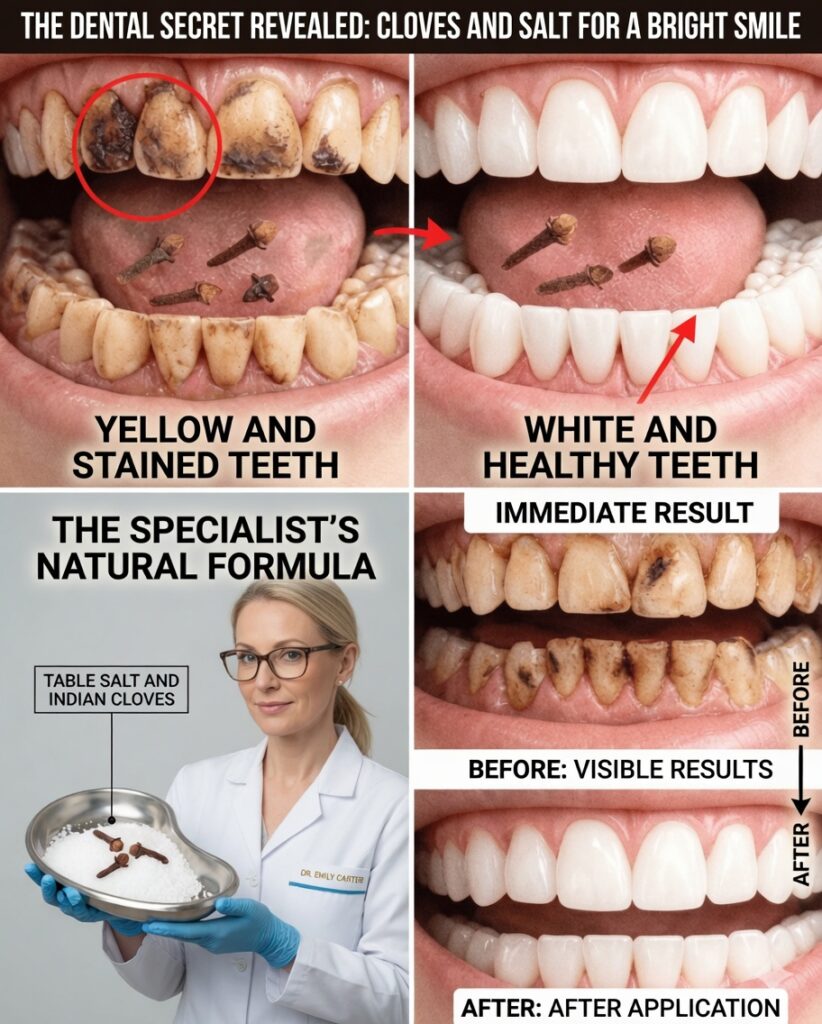
Your Smile May Be Building Plaque Without You Noticing
Even if you brush daily, plaque can still linger—quietly feeding bacteria, triggering bad breath, and irritating your gums. The good news: a few simple, natural habits may help reduce bacterial buildup, support fresher breath, and protect gum health. Read on to discover practical ways to strengthen your oral care routine.
Why Plaque and Tartar Are So Common
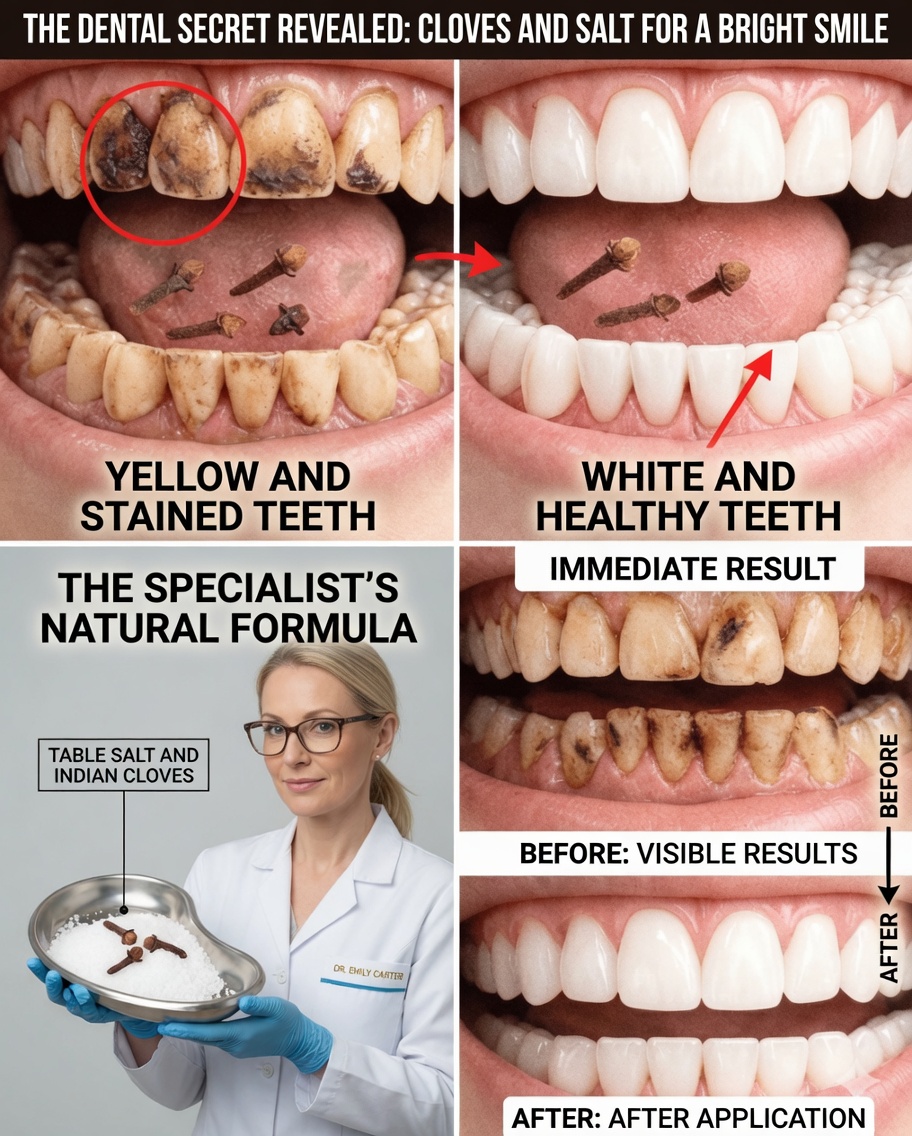
Dental plaque is a sticky film packed with bacteria that continuously forms on tooth surfaces. When plaque isn’t removed thoroughly, it can harden (mineralize) into tartar—a tough deposit that brushing alone can’t eliminate.
Research suggests that over 60% of adults have some degree of tartar buildup. Common contributors include:
- Getting older (buildup tends to increase over time)
- A diet high in sugar and refined carbs
- Inconsistent or incomplete oral hygiene habits
Tartar creates a rough surface where even more plaque can cling, which may lead to gum irritation and broader oral health concerns. The most effective strategy is straightforward: limit plaque before it has a chance to harden.
The Non-Negotiables for a Healthy Mouth
Before adding any natural methods, make sure your basics are solid. These habits remain the foundation of plaque control:
-
Brush twice a day
- Use a soft-bristle toothbrush for at least two minutes
- Choose gentle, circular motions rather than harsh scrubbing
-
Floss every day
- Floss removes trapped debris and plaque between teeth—areas a toothbrush can’t reach well
-
Drink water and eat mouth-friendly foods
- Water helps rinse away residue throughout the day
- Crunchy produce like apples and carrots can act like “natural scrubbers” for the teeth
If you want long-term results, these essentials matter more than any single trend.
Gentle, Natural Options to Complement Daily Oral Hygiene
Used carefully and in moderation—alongside brushing and flossing—these approaches may support a cleaner mouth and healthier gums.
-
Coconut oil pulling
- Swish 1 tablespoon of coconut oil for 10–15 minutes in the morning
- Spit it out, then rinse well
- Coconut oil contains lauric acid, known for antimicrobial properties
-
Baking soda paste (moderate use)
- Mix a small amount of baking soda with water to form a paste
- Brush gently 2–3 times per week
- Baking soda may help neutralize acids and reduce superficial plaque
-
Clove for gum support
- Clove contains eugenol, recognized for antibacterial and soothing effects
- It may be used as crushed clove or as diluted clove oil (never undiluted)
-
Aloe vera gel
- Lightly massage a small amount of pure aloe vera gel on teeth and gums, then rinse
- Aloe is widely known for natural anti-inflammatory properties
-
Vitamin C–rich foods (including tomatoes)
- Eating fresh tomatoes and other vitamin C sources can support gum tissue strength and overall oral health
-
Diluted lemon rinse (rarely)
- Mix 1 part lemon juice with 3 parts water
- Swish for 30 seconds, then rinse thoroughly
- Limit to once or twice a week due to acidity
-
Warm saltwater rinse
- Dissolve ½ teaspoon of salt in warm water
- Swish for 30 seconds
- This classic method may help balance oral bacteria and calm mild irritation
-
Cheese after meals
- Small portions of cheese can boost saliva production, which helps neutralize acids in the mouth
-
Sugar-free gum (xylitol preferred)
- Chewing xylitol gum stimulates saliva and can help clear food particles after eating
Smart Tips for Longer-Lasting Results
A few small adjustments can make your routine more effective and protect your enamel:
- Wait about 30 minutes after acidic foods or drinks before brushing
- Add new habits gradually to see how your mouth responds
- Replace your toothbrush every 3 months
- Schedule regular dental checkups and professional cleanings, since tartar can’t be removed at home
Conclusion
Natural habits can make a meaningful difference in oral health over time—especially when they support (not replace) proper brushing, daily flossing, and routine dental visits. With consistent effort, you may notice less plaque buildup, fresher breath, and more confidence in your smile.
Try choosing one natural method this week and stick with it. Small daily actions can add up to a noticeably cleaner, healthier mouth—often within as little as 30 days.