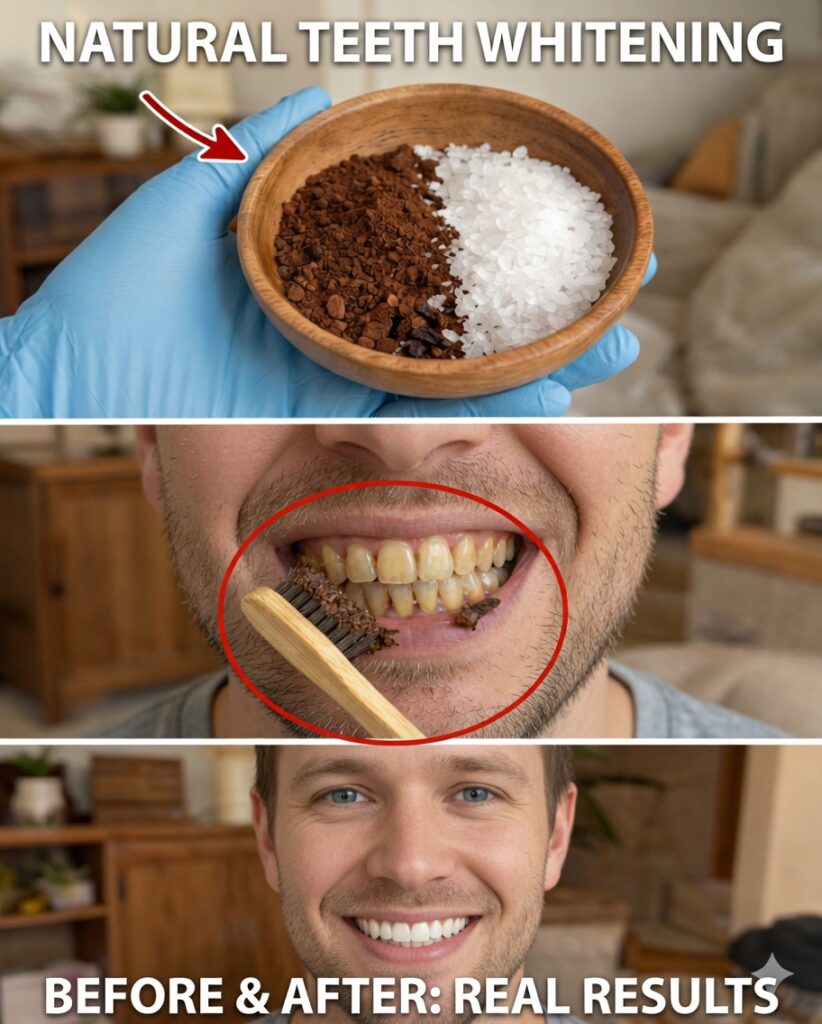
Is Your Smile Feeling Rough or Looking Yellow? Try These 9 Natural Ways to Help Reduce Plaque and Tartar—Without Harming Enamel
That sticky film you notice when you skip brushing, the rough patches your tongue can feel, and the yellowish tint that often shows up near the gumline can quickly affect your confidence. These are common signs of dental plaque buildup, which can harden over time and turn into tartar (calculus). Beyond the cosmetic impact, plaque and tartar can contribute to bad breath, gum irritation, and even discomfort while eating.
Many people try harsh DIY hacks or “quick-fix” internet tips that promise fast tooth cleaning—but end up with tooth sensitivity or enamel wear. The better news: you can support a cleaner mouth with gentle, natural strategies and simple daily habits that help reduce plaque accumulation safely.
Even better, some of the most helpful options may already be in your kitchen.
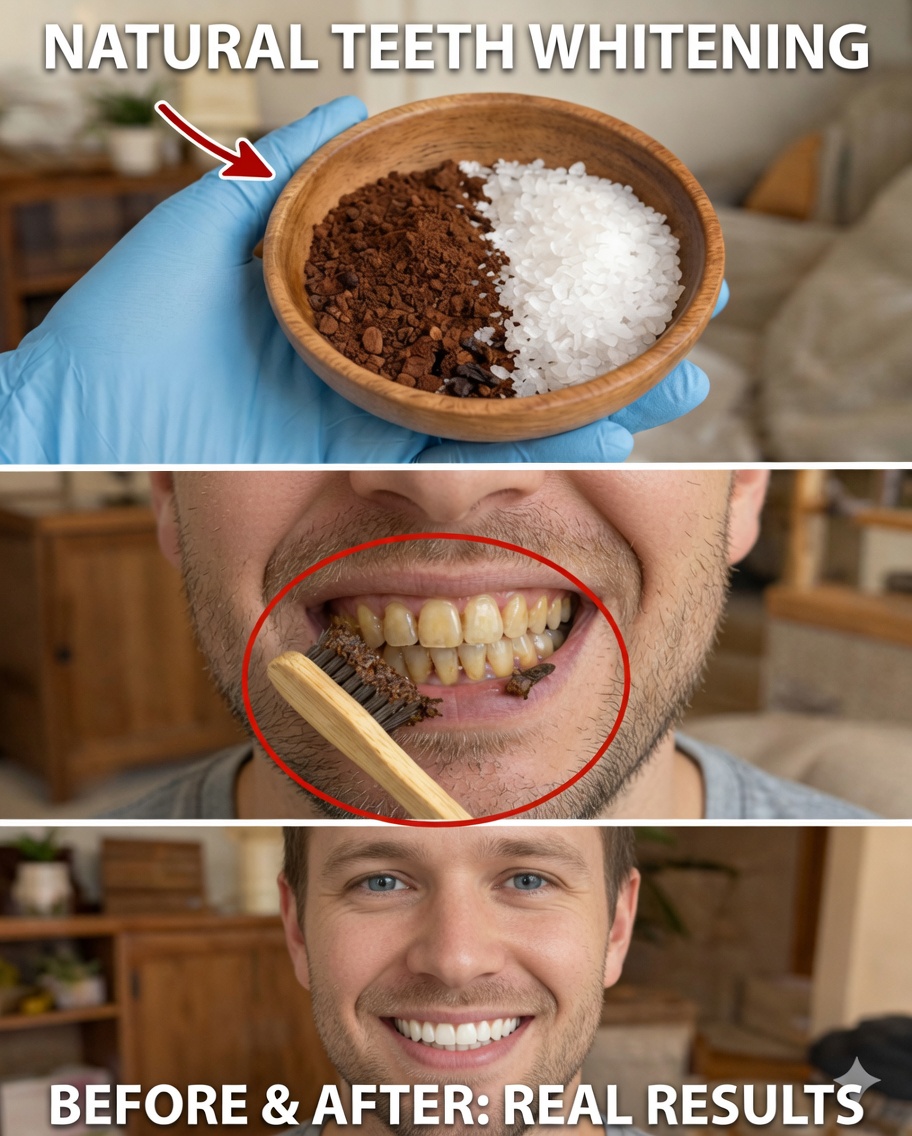
Why Do Plaque and Tartar Keep Coming Back?
Plaque forms naturally when bacteria, saliva, and food particles combine on the tooth surface. If it isn’t removed regularly, it can harden and become tartar, which bonds tightly to teeth and is harder to remove at home.
Common factors that increase buildup include:
- Rushed or ineffective brushing
- Dry mouth (low saliva flow)
- Frequent sugary or acidic drinks
- Skipping cleaning between teeth
The key is simple: remove plaque daily before it hardens, helping protect enamel and support healthier gums.
Start With the Basics (They Matter More Than Any “Trick”)
Before adding natural plaque-removal habits, make sure your foundation is strong. These basics create the biggest change.
Brush the Right Way
- Choose a soft-bristled toothbrush.
- Brush for about 2 minutes, twice daily.
- Use gentle circular motions, angling the brush toward the gumline.
- Avoid scrubbing hard—aggressive brushing can wear down enamel and irritate gums.
Tip: After eating or drinking something acidic, wait about 30 minutes before brushing to give enamel time to recover.
Clean Between Your Teeth
Use floss or interdental brushes at least once a day. This targets plaque where toothbrush bristles can’t reach—especially between teeth and near the gumline.
9 Natural Habits That May Help Reduce Plaque Buildup
1. Eat Vitamin C–Rich Foods
Foods like tomatoes, strawberries, bell peppers, and citrus fruits help support gum health. Vitamin C contributes to collagen production, which helps keep gum tissue stronger and more resilient against plaque-related irritation.
2. Try Coconut Oil Pulling
Swish 1 tablespoon of coconut oil for 5–10 minutes, a few times per week. This traditional routine may help reduce certain oral bacteria and leave your mouth feeling noticeably cleaner.
3. Use Baking Soda Occasionally
Mix a small amount of baking soda with water to create a paste, then brush gently for 30–45 seconds, no more than 1–2 times per week. Baking soda can help neutralize acids and lightly polish surface stains.
4. Rinse With Warm Salt Water
Dissolve a pinch of salt in warm water and swish. This simple rinse can help soothe irritated gums and support a more balanced oral environment.
5. Snack on Crunchy Produce
Apples, carrots, and celery provide a mild “natural scrubbing” effect and increase saliva. Saliva helps neutralize acids and wash away leftover food debris.
6. Drink Water After Meals
A glass of water after eating helps flush away particles and encourages saliva production—one of your mouth’s best natural defenses against plaque buildup.
7. Rub the Inside of Orange Peel (Rarely)
The white inner part of orange peel contains natural compounds that may help gently lift surface film. Rub it on teeth for about one minute, then rinse well. Keep this as an occasional habit, not a daily one.
8. Choose Natural, Fiber-Rich Snacks
Raw vegetables and other high-fiber foods support a mild mechanical cleaning effect while chewing, which may help slow plaque formation.
9. Stay Hydrated and Be Consistent
Regular water intake and a steady brushing/flossing routine help prevent plaque from sitting long enough to harden into tartar.
A Simple 7-Day Challenge
Try combining a few habits for one week:
- Brush twice daily for 2 minutes
- Floss at least 5 days this week
- Do oil pulling 3 times this week or use a salt-water rinse
- Drink water after every meal
- Eat an apple or crunchy vegetable after main meals
Pay attention to how your teeth feel and how fresh your breath seems. Many people notice a smoother tooth surface and a cleaner-feeling mouth within a few days.
Conclusion
Small daily improvements can add up quickly. Gentle brushing, daily cleaning between teeth, and a handful of natural habits can help reduce plaque buildup and slow tartar formation—supporting a cleaner, healthier, more confident smile.
The real “secret” isn’t harsh solutions. It’s consistent daily care.
Frequently Asked Questions
Can natural methods completely remove tartar?
No. Once tartar has hardened, it usually needs professional removal by a dentist. These habits mainly help prevent new buildup and reduce plaque before it hardens.
Can I use baking soda every day?
It’s not recommended. Overuse can contribute to enamel wear. Limit use to 1–2 times per week.
How long does it take to see improvement?
With consistent habits, many people notice smoother-feeling teeth and fresher breath within 1–2 weeks.
Disclaimer: This content is for informational purposes only and does not replace professional dental advice. Always consult a dentist before starting a new oral care routine—especially if you have sensitivity or existing dental concerns.