
Menopause Symptoms Many Women Don’t Expect
Many women in their late 40s and early 50s notice unusual changes in their bodies, yet often hesitate to mention them. It may begin with itchy skin, overwhelming daytime tiredness, or an awkward moment of forgetting something simple in front of loved ones. These changes are easy to dismiss as stress or “just getting older,” but they can also be connected to menopause. When overlooked, they may gradually make everyday life more difficult than necessary. The encouraging part is that simple daily habits can help a lot, and understanding these signs early can make the transition feel far more manageable.
1. Ongoing Itchy or Sensitive Skin
A symptom that often surprises women during menopause is persistent itching or unusually sensitive skin. Many suddenly find that their skin feels drier, more reactive, or easier to irritate than before.
This shift is closely tied to declining estrogen levels. Estrogen helps the skin retain moisture and supports elasticity, so when levels drop, the skin can become less comfortable.
Common signs include:
- Dry areas on the arms, shoulders, or neck
- Itching without any clear rash
- Increased reaction to soaps, fabrics, or skincare products
Dermatology findings suggest that hormonal changes may reduce collagen production and natural skin oils, which can lead to dryness and irritation.
Helpful habits include:
- Drinking water regularly throughout the day
- Choosing fragrance-free moisturizers
- Avoiding very hot showers that strip moisture from the skin
These small adjustments can improve comfort surprisingly quickly.

2. Persistent Daytime Exhaustion
Feeling worn out during the day, even after a full night in bed, is another common but underrecognized menopause symptom.
Many women assume they are simply overworked or getting older. However, hormonal changes can interfere with both energy balance and sleep quality, leaving the body feeling depleted.
Typical signs include:
- Waking up feeling unrefreshed
- Getting tired after minor tasks
- Experiencing strong afternoon slumps
Sleep research indicates that menopause-related hormonal fluctuations may disrupt the circadian rhythm, the internal clock that controls sleep and wake patterns.
What may help:
- Going to bed and waking up at consistent times
- Limiting caffeine later in the day
- Spending 15 to 20 minutes outdoors in natural daylight
These habits can help the body regain a healthier rhythm.
3. Food Cravings or Changes in Taste
Some women notice that their eating habits change unexpectedly during menopause. Foods they once enjoyed may no longer appeal to them, while cravings for sugar, salty snacks, or citrus become stronger.
Researchers believe hormonal shifts may affect taste receptors and appetite regulation, which helps explain why food preferences can suddenly feel different.
You may notice:
- Strong cravings for sweets
- A new preference for fruit or citrus flavors
- Changes in appetite throughout the day
Appetite and Taste Changes at a Glance
| Before Menopause | During Menopause |
|---|---|
| More stable appetite | More unpredictable cravings |
| Less interest in sweets | Stronger desire for sugar |
| Usual taste sensitivity | Noticeable shifts in taste |
Simple nutrition tips:
- Prioritize fiber-rich meals
- Add healthy fats such as nuts or avocado
- Cut back on highly processed sugar
Balanced meals can help support both appetite and steady energy.
4. Breast Tenderness or Increased Sensitivity
Breast soreness is often linked with menstrual cycles, but it can also appear during menopause. Hormonal fluctuations may temporarily make breast tissue feel more sensitive.
Possible sensations include:
- Mild swelling
- Tenderness when touched
- A feeling of heaviness or fullness
The reassuring news is that these symptoms are often temporary.
Lifestyle habits that may help:
- Wearing a supportive bra
- Reducing excess caffeine
- Staying active with gentle movement
Regular exercise may help improve circulation and support hormonal balance.
5. Brain Fog and Forgetfulness
Walking into a room and forgetting why you went there is a familiar experience for many women during menopause. This is often described as brain fog.
It may involve:
- Trouble focusing
- Forgetting minor tasks
- Slower thinking or processing
Neurology research suggests that these memory slips are usually temporary cognitive changes rather than permanent memory decline.
Ways to support mental sharpness:
- Doing puzzles, reading, or other brain-challenging activities
- Exercising regularly
- Maintaining consistent sleep habits
Mental stimulation and rest both play an important role in supporting cognitive health.
6. Joint Stiffness and Body Aches
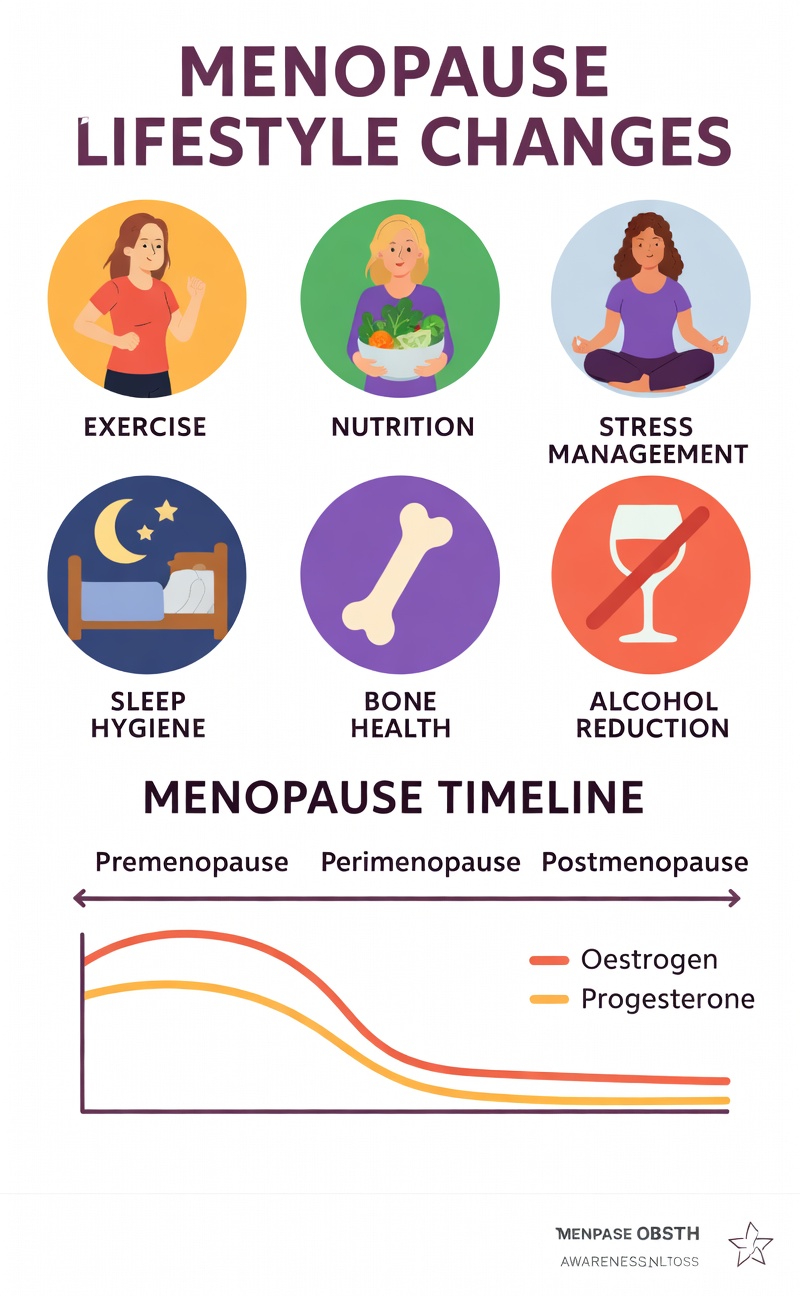
Menopause can also bring subtle physical discomfort, especially in the joints. Many women notice stiffness in the morning or a general sense of body soreness.
Estrogen helps influence joint lubrication and inflammation. As levels decrease, some women may experience:
- Stiff knees, hips, or shoulders
- Mild muscle aches
- Reduced flexibility
Helpful movement habits:
- Gentle morning stretching
- Walking for 20 to 30 minutes a day
- Trying light yoga or mobility exercises
Regular movement helps keep joints more comfortable and flexible.
7. Trouble Sleeping
Sleep problems are one of the most common menopause complaints. Even women who previously slept well may begin to notice changes.
Common issues include:
- Waking during the night
- Difficulty falling asleep
- Light, restless, or interrupted sleep
Some research suggests hormonal changes may affect melatonin production, a hormone that helps regulate sleep.
Useful bedtime habits:
- Avoid screens before bed
- Keep the bedroom cool and comfortable
- Follow a calming routine such as reading or slow breathing
Consistency often makes the biggest difference in sleep quality.
8. Mood Swings and Irritability
Emotional changes can be another unexpected part of menopause. Hormones affect brain chemicals involved in mood regulation, so shifts in estrogen can influence how you feel emotionally.
You may notice:
- Irritability
- Greater emotional sensitivity
- Unexpected sadness or frustration
It is important to remember that these mood changes are not a personal failing. They are often part of a natural hormonal transition.
Simple habits that may support emotional balance:
- Spending time outside
- Talking openly with trusted family or friends
- Practicing relaxation techniques such as deep breathing
9. Digestive Discomfort and Bloating
Digestive changes can also appear during menopause. Hormonal fluctuations may affect how the digestive system moves and processes food.
Common experiences include:
- Bloating after meals
- Slower digestion
- Greater sensitivity to certain foods
Helpful digestive habits:
- Eating smaller, balanced meals
- Increasing fiber gradually
- Staying active after eating
Even a short walk after dinner can be beneficial for digestion.
Daily Habits That Can Truly Help
A simple routine can make menopause symptoms easier to manage. Many women find the following daily structure useful.
Morning
- Start with gentle stretching
- Drink water before coffee
- Eat a balanced breakfast
Afternoon
- Spend some time outdoors
- Choose meals with plenty of fiber
Evening
- Reduce screen time
- Unwind with light reading or a calm conversation
These habits can support energy, sleep, digestion, and emotional well-being.
Final Thoughts
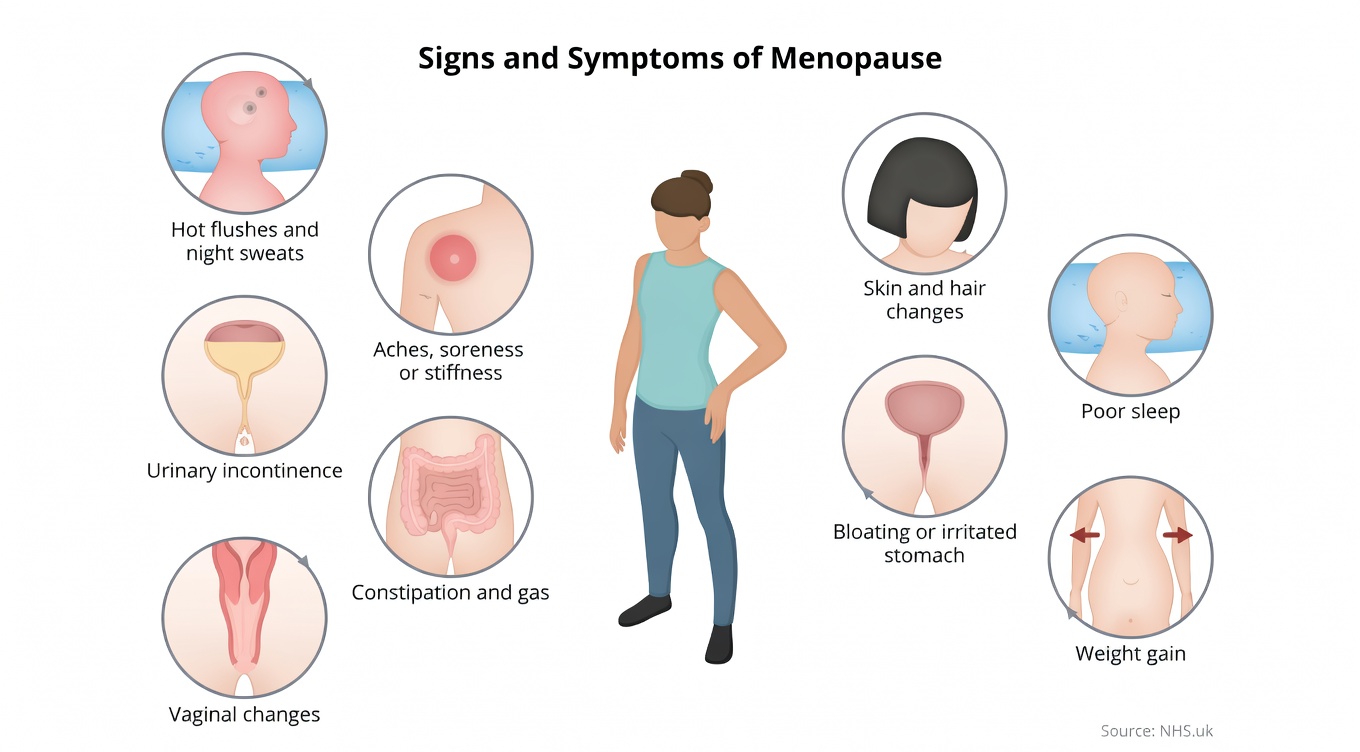
Menopause is a normal stage of life, but its symptoms can feel confusing, especially when they show up in unexpected forms. Itchy skin, fatigue, brain fog, sore joints, mood changes, and digestive issues are not always discussed openly, yet many women experience them. The good news is that practical daily choices such as healthy eating, regular movement, hydration, and better sleep habits can make this transition easier. Sometimes the most important step is simply recognizing what your body is trying to tell you.
Frequently Asked Questions
At what age do menopause symptoms usually begin?
Many women start to notice early menopause-related changes between ages 45 and 55, although the timing can differ for each person.
Do these symptoms last forever?
In most cases, many symptoms ease over time as the body adapts to hormonal changes.
When should you talk to a healthcare professional?
If symptoms are affecting your sleep, mood, comfort, or daily functioning, it is a good idea to speak with a qualified healthcare provider.
Medical Disclaimer
This article is intended for educational purposes only and is not a substitute for professional medical advice. Always consult a qualified healthcare professional about personal health concerns.