Menopause Warning Signs You Should Not Ignore
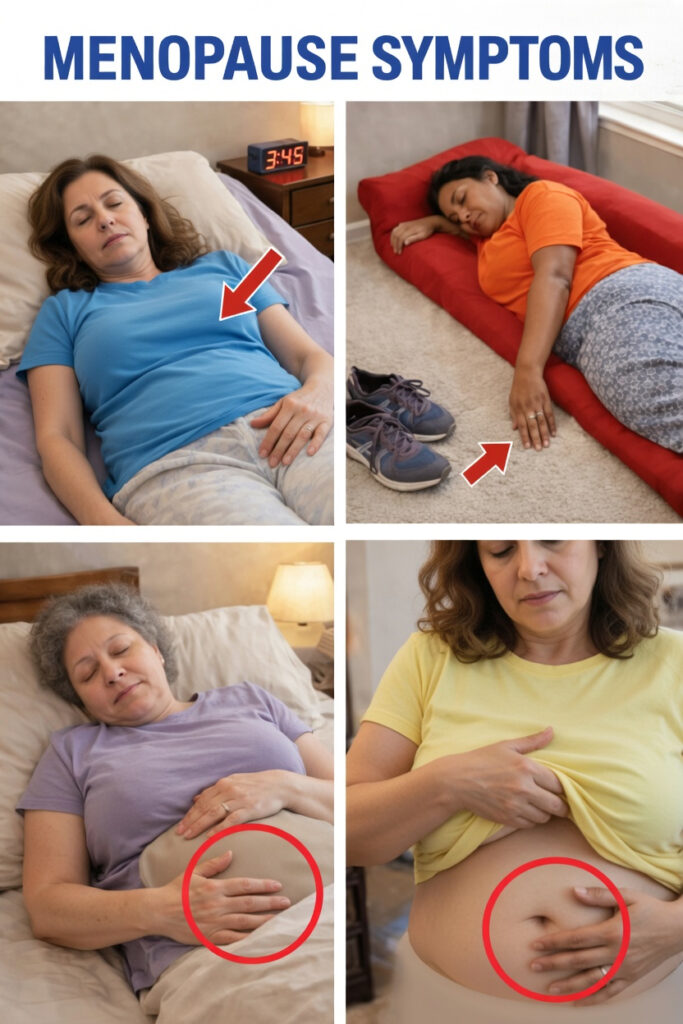
Waking up at 3 a.m. soaked in sweat, changing clothes in silence so nobody notices, can feel confusing and isolating. Maybe you feel suddenly irritable for no obvious reason, only to feel guilty moments later. Your body seems different, yet you brush it off as “just getting older” and keep going.
But these shifts may be more than ordinary aging. They can be early signals that your body is moving through menopause. Recognizing them sooner can help you respond in a healthier, more informed way.
1. Sudden Hot Flashes
You may feel completely normal one minute, then an intense rush of heat quickly spreads through your chest, neck, and face. Redness can appear, and sweating may start almost immediately.
Hot flashes are among the best-known signs of menopause. Research indicates that as many as 75% of women experience them during this stage of life.
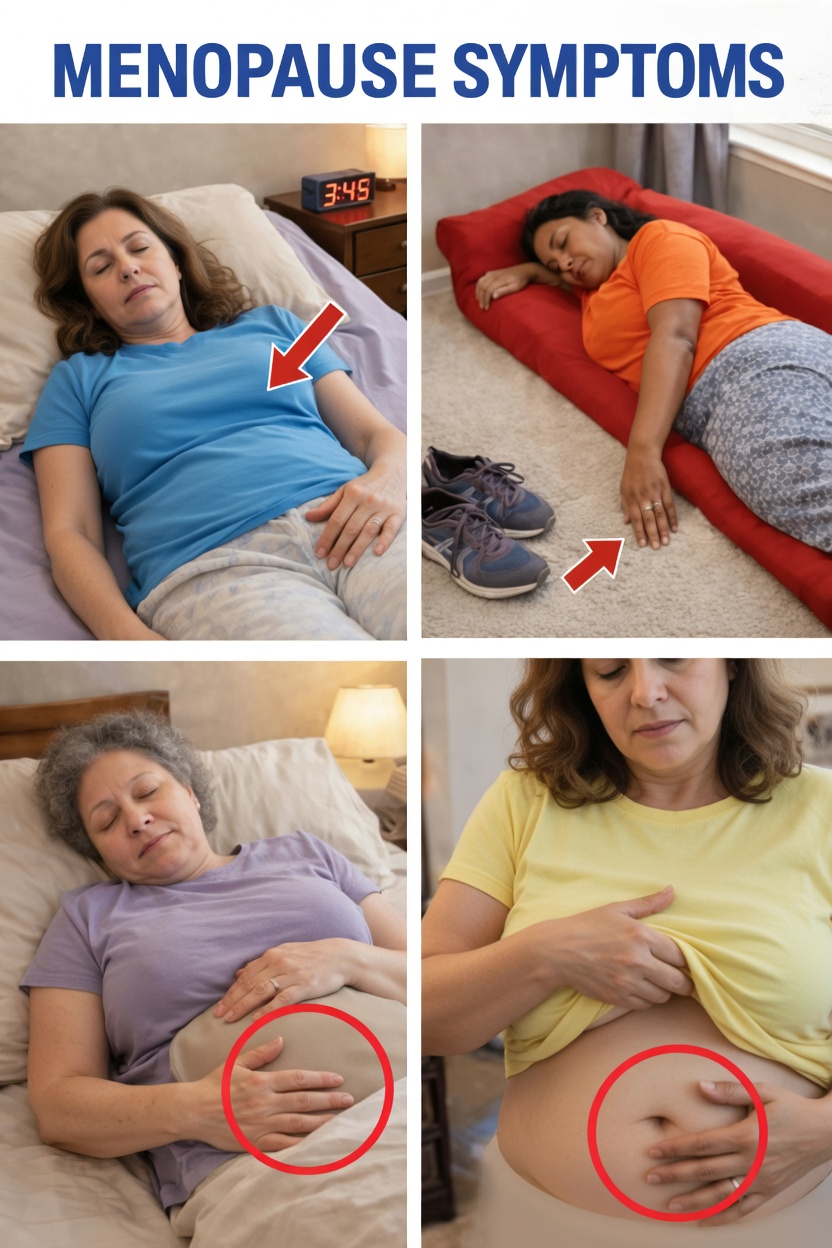
These episodes are not only uncomfortable. They may happen several times throughout the day or interrupt your sleep at night, leaving you drained the following morning.
What may help:
- Choose lightweight, breathable clothing
- Avoid spicy meals and caffeine later in the day
- Use slow, controlled breathing when a hot flash begins
2. Irregular Periods
If your menstrual cycle used to be predictable and now feels inconsistent, this may be one of the earliest signs of menopausal transition. Your period may arrive sooner than expected, show up late, become heavier, or grow lighter than usual.
Hormonal shifts, especially changes in estrogen, often cause this irregular pattern before periods stop altogether.
Watch for these changes:
- Missing periods for several months
- Bleeding that is much heavier than normal
- Short cycles that return too quickly
3. Mood Swings That Feel Intense
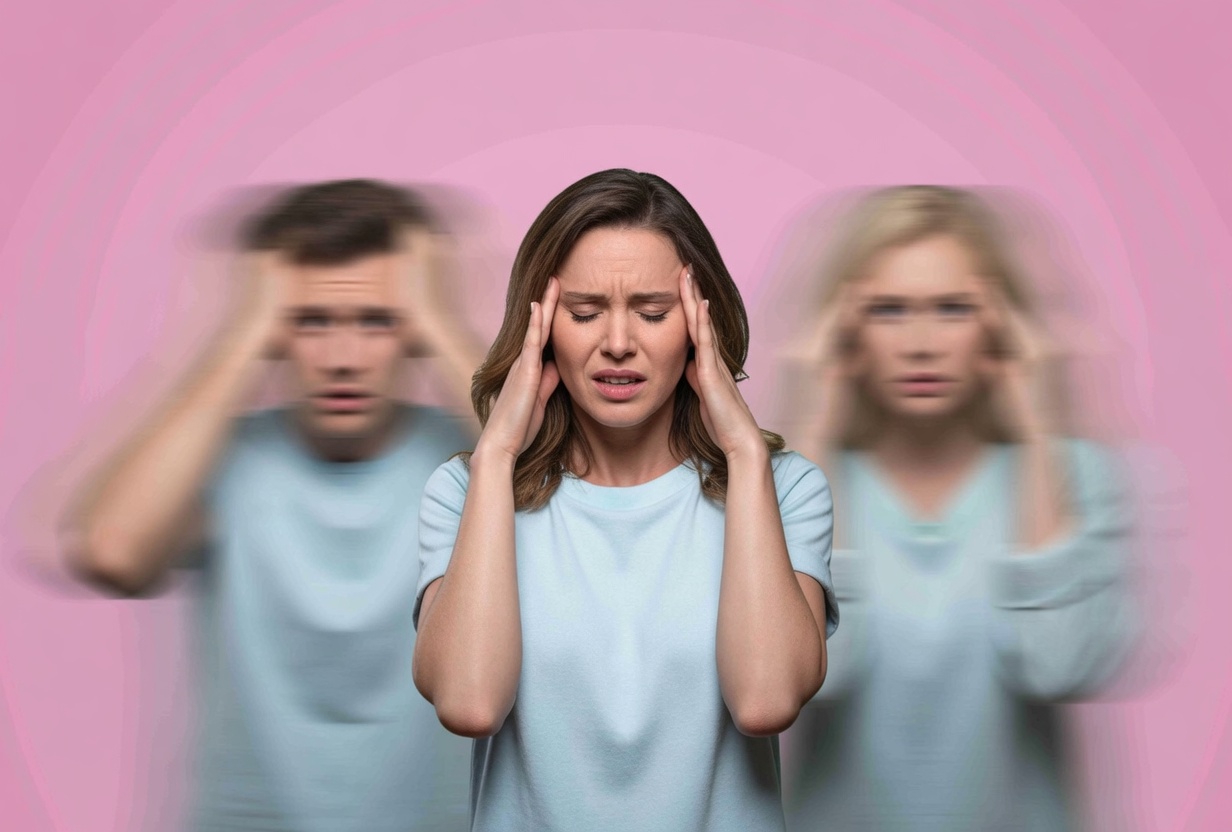
You may find yourself reacting strongly to small frustrations, feeling anxious without a clear reason, or becoming unexpectedly sad. These emotional ups and downs are more common during menopause than many people realize.
Hormonal changes can influence brain chemicals connected to mood, which may make emotions feel stronger and harder to manage.

Another factor often overlooked is sleep disruption. If night sweats or insomnia are affecting your rest, mood swings can feel even more severe.
Simple habits that may support emotional balance:
- Try gentle movement such as walking
- Talk honestly with someone you trust
- Cut back on sugary and highly processed foods
4. Sleep Problems That Leave You Exhausted
You may go to bed feeling tired, yet still wake up again and again through the night. In some cases, night sweats are the cause. Other times, your mind simply refuses to settle down.
Poor sleep does more than make you feel sleepy. It can affect concentration, memory, patience, and energy throughout the day.

A better evening routine may include:
- Keeping the bedroom cool, quiet, and dark
- Avoiding screens before bedtime
- Going to sleep and waking up at regular times
5. Weight Gain Around the Midsection
Many women notice their waistline expanding even when their eating habits have not changed much. This can feel discouraging and frustrating.
The reason is often linked to hormonal changes. As estrogen levels shift, metabolism may slow down and fat storage may become more concentrated around the abdomen.
A simple comparison:
-
Before menopause
- Fat tends to be distributed more evenly
- Metabolism is usually more stable
- Weight may be easier to manage
-
During menopause
- More fat may collect around the belly
- Metabolism often slows
- Weight gain can happen more easily

Supportive strategies include:
- Strength training to help preserve muscle
- Balanced meals rich in protein and fiber
- Daily physical activity, even in small amounts
6. Vaginal Dryness and Discomfort
This symptom is often left unspoken, but it is very common and very real. You may notice dryness, irritation, or discomfort, especially during intimacy.
When ignored, it can affect both physical comfort and emotional well-being.

Helpful steps:
- Drink enough water throughout the day
- Use mild, non-irritating products
- Speak with a healthcare provider if the discomfort continues
7. Brain Fog and Forgetfulness
Walking into a room and forgetting why you went there, struggling to remember names, or finding it hard to focus on simple tasks can be unsettling.
Many women report these memory lapses during menopause. They are often linked to both hormone fluctuations and lack of quality sleep.
The reassuring part is that this symptom is often temporary and tends to improve with time.
Ways to support mental clarity:
- Prioritize good sleep
- Keep your mind active with reading, puzzles, or learning
- Eat nourishing foods rich in essential nutrients
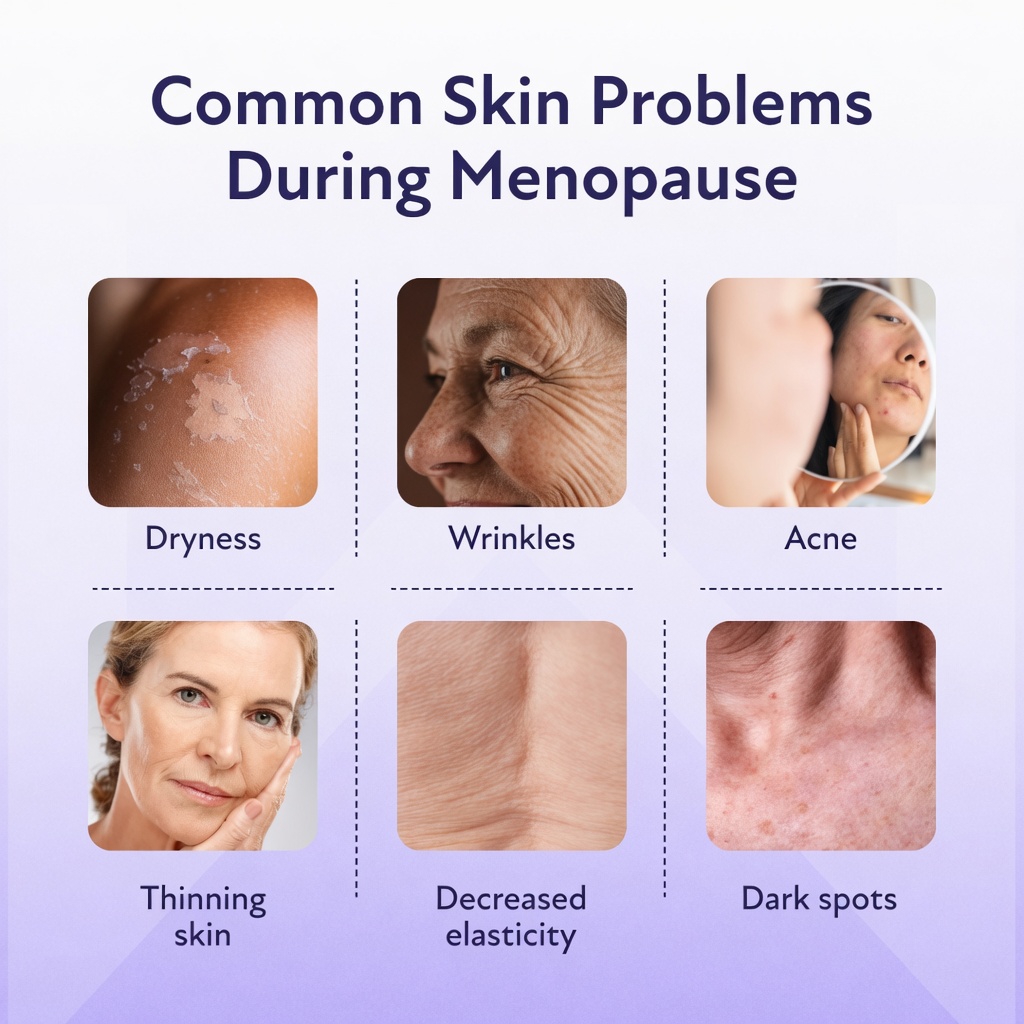
8. Changes in Skin and Hair
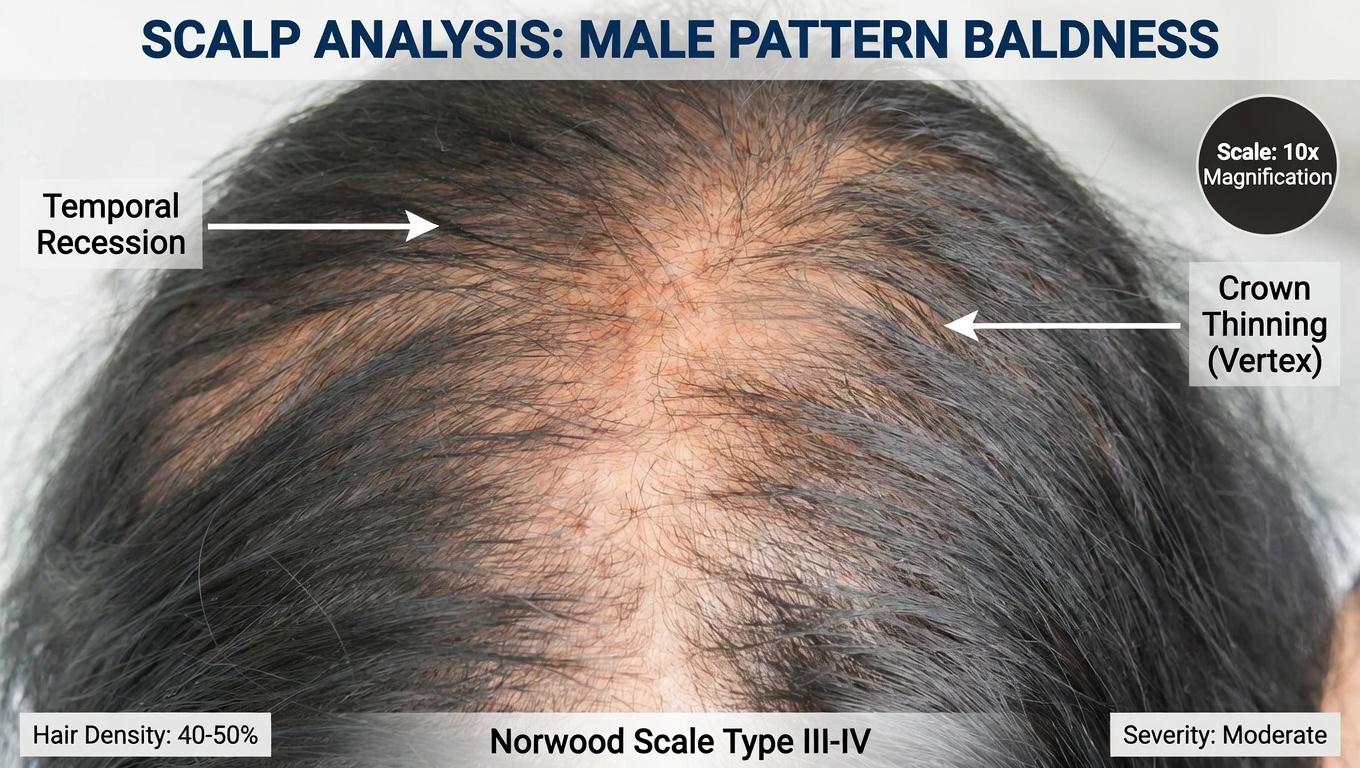
You may notice your skin becoming drier, fine lines appearing more visible, or your hair feeling thinner and less full.
These changes are not only about aging. Estrogen helps support skin elasticity and hair strength, so when levels decrease, these effects may become easier to see.
Basic care can make a difference:
- Moisturize skin regularly
- Protect your skin from excessive sun exposure
- Include healthy fats in your meals
9. Lower Energy and Motivation
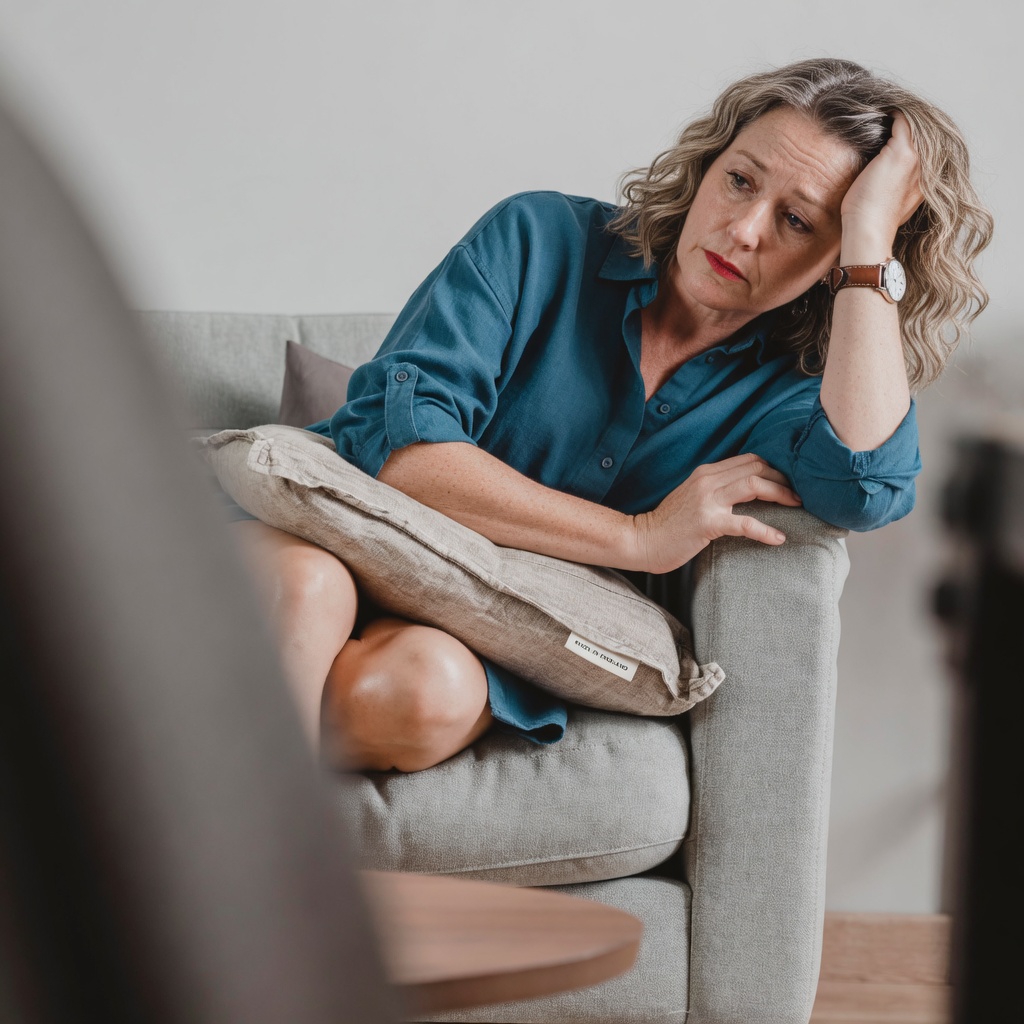
You may feel tired even after resting, and everyday tasks that once felt easy can suddenly seem overwhelming.
This can be one of the most discouraging parts of menopause. In many cases, low energy is caused by a combination of hormonal changes, poor sleep, and emotional stress.
Start with small steps:
- Break larger tasks into smaller, manageable parts
- Stay hydrated
- Spend time outdoors in fresh air and sunlight each day
Daily Habits That Can Help
You do not need a perfect routine to feel better. Small, consistent actions can have a real impact.
Morning
- Drink a glass of water soon after waking up
- Stretch or take a 10 to 15 minute walk
Afternoon
- Choose balanced meals with vegetables and protein
- Take short breaks during the day to lower stress
Evening
- Reduce screen exposure before bed
- Keep your sleeping space cool and comfortable
Consistency is more important than doing everything perfectly.
Conclusion
Menopause is not a single sudden event. It is a gradual transition, and your body often gives clues long before periods stop completely.
When these signs are ignored, everyday life can become more difficult. But when you understand what is happening, you are in a better position to take control.
Even small lifestyle adjustments can noticeably improve how you feel from day to day.
FAQ
1. At what age do menopause symptoms usually begin?
Most women start noticing symptoms between the ages of 45 and 55, although the timing can differ from person to person.
2. Do these symptoms last forever?
Not necessarily. Many menopause symptoms lessen over time as the body adapts to hormonal changes.
3. When should I talk to a healthcare professional?
If your symptoms are severe, unusual, or interfering with daily life, it is a good idea to seek advice from a qualified healthcare provider.
Disclaimer
This article is intended for informational purposes only and is not a substitute for professional medical advice. Always consult a qualified healthcare provider regarding personal health concerns.