
9 Lesser-Known Menopause Symptoms and Simple Ways to Feel Better
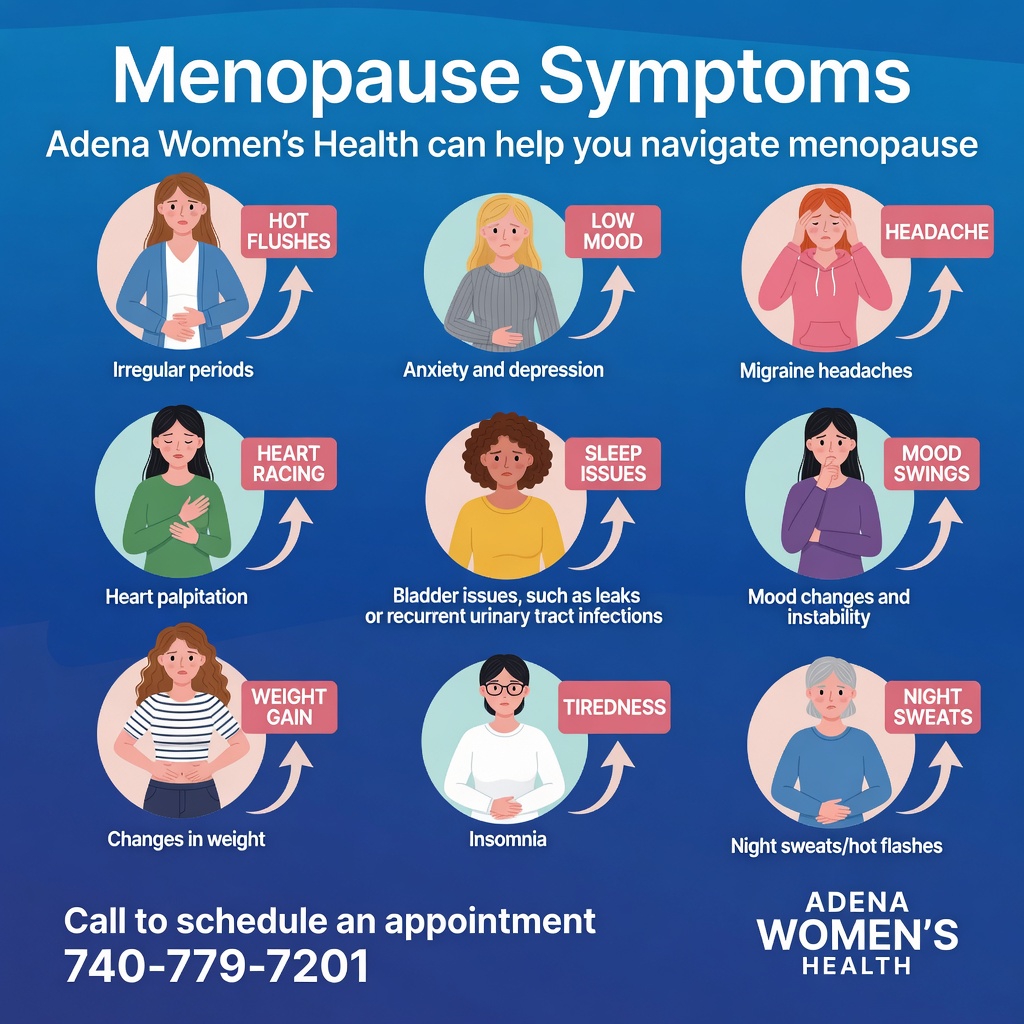
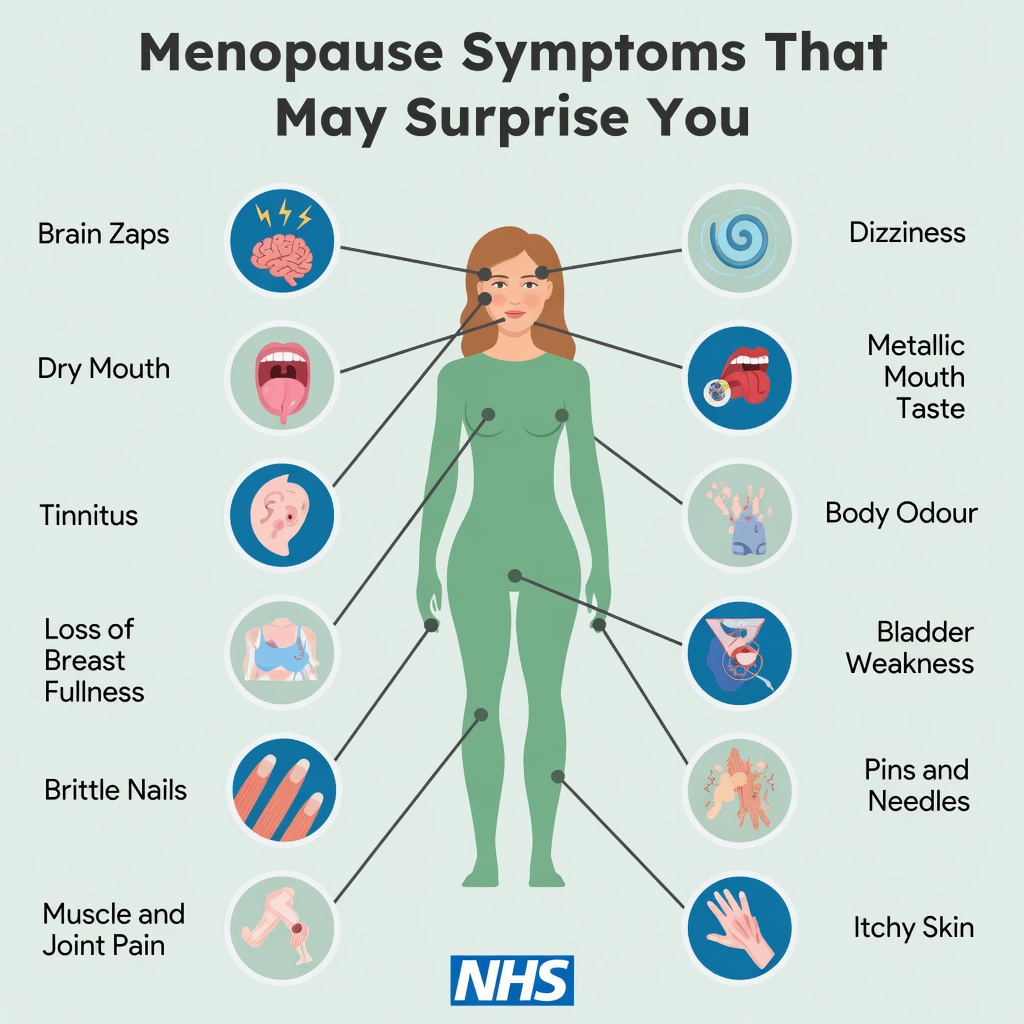
Many women in the menopause transition begin to notice body changes they did not expect. An itchy back that appears for no clear reason, sudden spells of yawning despite getting enough sleep, or breast tenderness that seems surprising at this stage of life can all feel confusing and frustrating. These symptoms often happen alongside the better-known signs of menopause, yet they are rarely talked about enough and can make daily life feel less comfortable.
The good news is that once you recognize these overlooked symptoms, it becomes easier to make small, practical changes that may help. Below are nine menopause-related symptoms that often go unnoticed, along with realistic everyday strategies that many women find useful. And near the end, you will see one simple daily habit that can support several of these concerns at once.
1. Itchy or Sensitive Skin on the Back, Arms, or Legs
One of the more unexpected menopause symptoms is dry, itchy, or irritated skin. The back, arms, and legs are common areas where this shows up. As estrogen levels decline, the skin may lose moisture more easily and its protective barrier can weaken, making it feel drier, tighter, and more reactive than before.
Hormonal changes during this phase may also increase redness or make the skin more sensitive to clothing, heat, or even light touch.
Ways to soothe menopausal skin dryness include:
- Apply a gentle, fragrance-free moisturizer right after a lukewarm shower while the skin is still slightly damp
- Choose loose, breathable cotton clothing to reduce rubbing and irritation
- Drink enough water during the day and consider using a humidifier in dry indoor environments
For many women, regular moisturizing becomes a simple but effective part of their comfort routine.

2. Frequent Yawning or Sudden Fatigue
Yawning more than usual or feeling random waves of fatigue can be another surprising part of menopause. Even after a full night in bed, energy levels may still feel uneven. This often connects to hormone shifts and disrupted sleep, both of which can affect how the body regulates alertness and rest.
Fatigue during menopause is common, especially when sleep is interrupted by nighttime waking or other disturbances that reduce deep, restorative rest.
To support better energy throughout the day:
- Keep a regular bedtime and create a wind-down routine with soft lighting
- Avoid screens for at least one hour before sleep
- Take short morning walks in natural daylight
- Cut back on caffeine after midday and switch to herbal tea in the evening
These habits can help promote steadier energy without depending on temporary fixes.
3. Breast Tenderness or Increased Sensitivity
Breast soreness does not always end when periods become irregular. Hormone fluctuations can still affect breast tissue during menopause, causing tenderness, fullness, or sensitivity that comes and goes.
Although this symptom can feel unexpected, it is a recognized part of the transition for many women.
Comfort measures that may help include:
- Wear a supportive, properly fitted bra made from soft material
- Try a warm or cool compress for short periods, depending on what feels best
- Reduce caffeine and salty foods if they seem to increase swelling or discomfort
Responding early to breast tenderness with small comfort strategies can improve day-to-day ease.
4. Dry Eyes or a Dry Mouth
Some women notice that their eyes begin to feel gritty or tired, while others develop a persistent dry mouth. Menopause can influence the glands that produce moisture in the eyes and mouth, leading to these symptoms.
This dryness can make activities like reading, talking for long periods, or spending time on screens more tiring than usual.
Helpful daily steps include:
- Use preservative-free artificial tears or lubricating eye drops
- Sip water regularly throughout the day
- Chew sugar-free gum or suck on ice chips to encourage saliva production
These simple habits are often easy to maintain and can provide fast relief.
5. Changes in Taste or New Food Sensitivities
Another lesser-known menopause symptom is a shift in how certain foods taste. Some women find flavors seem duller, stronger, or simply less appealing than before. Others notice they suddenly become more sensitive to foods they once tolerated well.
This can be linked to dry mouth, hormonal changes, or broader sensory shifts during menopause.
To make meals more enjoyable and comfortable:
- Use fresh herbs and lighter seasonings instead of very strong spices
- Choose moist, nourishing foods such as soups, smoothies, and yogurt-based meals
- Eat smaller meals more often to help maintain stable energy
For many women, this stage becomes an opportunity to discover new foods and recipes that feel soothing and satisfying.
6. Joint Stiffness or Mild Aches
Stiff joints and mild aches can become more noticeable during menopause, especially in the morning or after sitting for a while. Lower estrogen levels may affect inflammation and the way joints feel supported and cushioned.
Movement is often one of the most helpful tools for easing this discomfort.
Supportive habits include:
- Do gentle stretching or yoga several times a week
- Add light strength training or resistance exercises
- Eat a balanced diet with colorful vegetables, fruits, and omega-3-rich foods such as flaxseeds or oily fish
When movement becomes consistent, many women notice gradual improvement in flexibility and comfort.
7. Brain Fog or Trouble Finding the Right Word
Forgetting why you walked into a room or pausing mid-sentence because a familiar word will not come to mind can feel unsettling. This mental fog is a common complaint during menopause and is often connected to sleep disruption and hormone-related changes in focus and concentration.
Most women describe it as temporary mental fuzziness rather than a lasting decline.
To support clearer thinking:
- Break larger tasks into smaller, manageable steps
- Use lists, notes, or reminders to stay organized
- Practice mindfulness or brief breathing exercises
- Prioritize sleep and regular physical activity
These strategies can reduce frustration and help improve mental sharpness over time.
8. Greater Sensitivity to Smells or Mild Digestive Upset
Some women become more aware of strong odors during menopause, while others notice occasional bloating or digestive changes. As the body adjusts hormonally, the digestive system may also respond differently than it once did.
Small adjustments can often make a noticeable difference:
- Eat slowly and pay attention to how foods make you feel
- Identify personal trigger foods and reduce them when needed
- Add probiotic-rich options like yogurt or kefir to your meals
Listening closely to your body can lead to better digestion and overall comfort.
9. Changes in Libido or Intimacy Comfort
Menopause can also bring unexpected changes in sexual desire or comfort during intimacy. Vaginal dryness, lower energy, and shifts in mood can all play a role. Although this topic is not always discussed openly, it is a very common experience.
Practical ways to support comfort and connection include:
- Use water-based lubricants or vaginal moisturizers regularly
- Make time for closeness without pressure or expectations
- Support overall wellness with rest, gentle exercise, and open communication
These small steps can improve both physical comfort and emotional intimacy.
One Simple Habit That Can Support Several Symptoms
A detail many women find surprisingly helpful is this: several lesser-known menopause symptoms may improve when hydration and nutrient-rich foods become a daily priority. Skin dryness, low energy, dry mouth, and even general comfort can all be affected by what you drink and eat.
A simple example is adding citrus fruits such as oranges or grapefruit to your routine. These fruits provide hydration and vitamin C, which may support skin health, energy, and overall well-being. A few grapefruit slices in the morning or orange segments added to a salad can be an easy, refreshing habit that supports multiple symptoms at once.
Final Thoughts
Menopause can bring a wide range of changes beyond the symptoms most people expect. From itchy skin and breast tenderness to brain fog, dry eyes, and shifts in taste, these experiences are more common than many women realize. The encouraging part is that small, consistent lifestyle adjustments can often make everyday life feel much more manageable.
Understanding these lesser-known menopause symptoms is the first step toward feeling more informed, more prepared, and more comfortable in your body.